
Introduction
Imagine a world where your lawn remains lush and green with minimal effort. A place where you no longer need to spend weekends mowing, watering, or battling weeds. Welcome to the realm of artificial turf—a modern marvel designed to transform your outdoor space into a pristine oasis. But is artificial turf high maintenance, or is it truly the hassle-free solution it promises to be?
- Understanding Artificial Turf
- The Benefits of Artificial Turf
- Maintenance Requirements
- Common Mistakes to Avoid
- Conclusion
Understanding Artificial Turf
Artificial turf has evolved significantly since its inception. Today’s synthetic grass is engineered to mimic the look and feel of natural grass closely. Composed of polyethylene or polypropylene fibers, it offers a soft and resilient surface perfect for various applications, from residential lawns to commercial properties.
The Benefits of Artificial Turf
Artificial turf brings a plethora of benefits to the table. One standout advantage is its ability to save water—a critical resource in many regions. According to the EPA WaterSense program, outdoor water use accounts for nearly 30% of household water consumption in the United States. By installing artificial turf, you can significantly reduce your water usage.
Environmental Impact
Beyond water conservation, artificial turf also eliminates the need for harmful pesticides and fertilizers. This not only protects your local ecosystem but also contributes to better air quality. For more insights on this topic, check out our article on the environmental benefits of installing artificial turf.
Cost-Effectiveness
While the initial cost of installing artificial turf may be higher than natural grass, the long-term savings are substantial. Consider the reduced expenses on water bills, lawn maintenance equipment, and landscaping services. For a comprehensive comparison between artificial turf and natural grass, see our detailed guide: Comparing Artificial Turf to Natural Grass: What You Need to Know.
Maintenance Requirements
So, is artificial turf high maintenance? In short, no. However, like any investment, it requires some care to keep it in top condition.
Basic Care
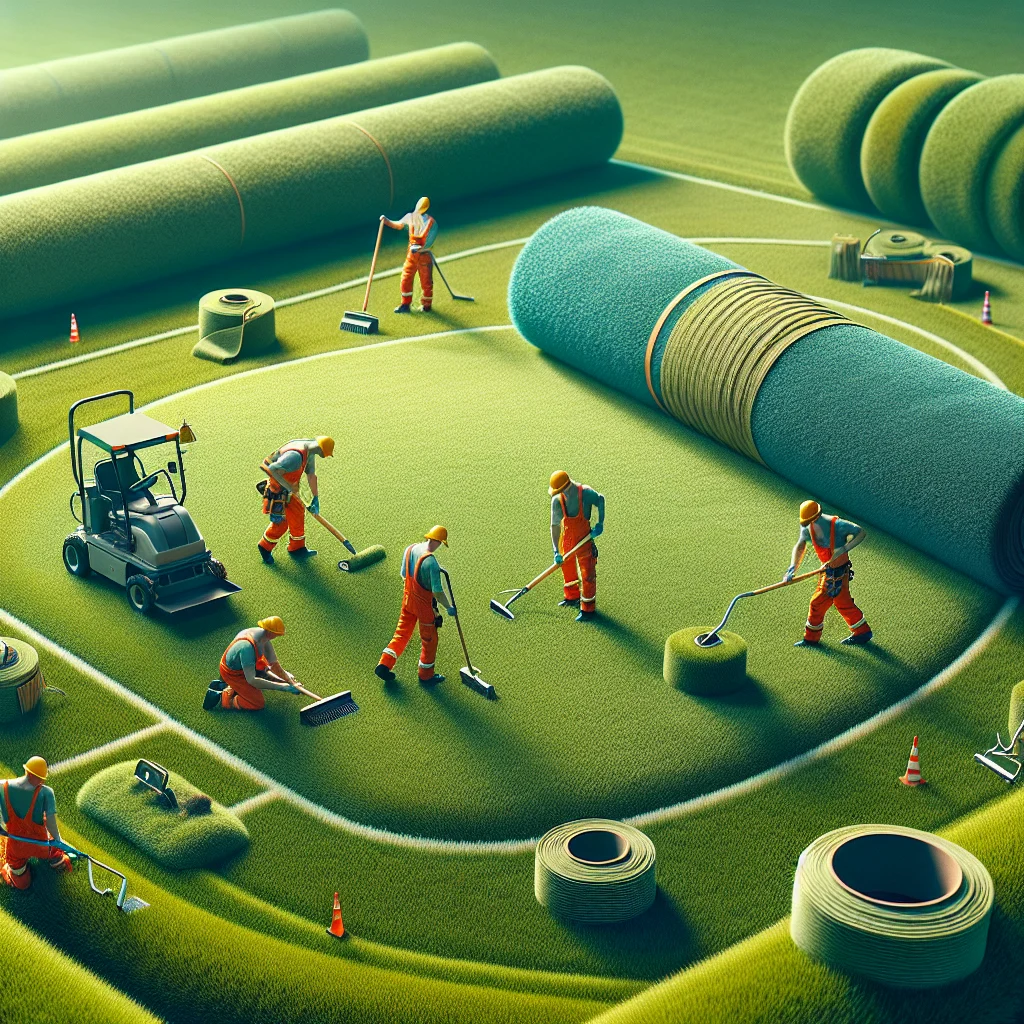
- Regular Cleaning: Remove debris such as leaves and twigs regularly. A leaf blower or a gentle broom can do the trick.
- Rinse Periodically: Use a hose to rinse off dust and dirt, especially after heavy use or during dry spells.
- Brush the Fibers: Brushing helps maintain the upright position of the fibers, ensuring a natural look. Use a brush with soft bristles for best results.
Addressing Stains and Odors
While artificial turf is stain-resistant, accidents do happen. Clean spills immediately with a mixture of mild soap and water. For pet owners, using an enzyme cleaner can effectively neutralize odors.
Common Mistakes to Avoid
Even though artificial turf is relatively low-maintenance, certain pitfalls can compromise its longevity and appearance. Learn from others’ mistakes by reading our post on common mistakes to avoid when installing artificial turf.
Poor Installation
Improper installation can lead to issues such as uneven surfaces and poor drainage. Whether you’re considering a DIY project or hiring professionals, ensure the installation process is executed flawlessly. Our DIY guide for installing synthetic grass provides step-by-step instructions to help you achieve a perfect result.
Neglecting Regular Maintenance
Although maintenance is minimal, neglecting basic upkeep can diminish the lifespan of your artificial turf. Consistency is key to preserving its aesthetic appeal and functionality.
Conclusion
Artificial turf offers a beautiful, low-maintenance solution for those seeking a lush lawn without the hassle. With proper installation and minimal care, it can remain vibrant and green for years to come. If you’re ready to embrace the convenience and beauty of artificial turf, explore our resources and guides to ensure you make the most informed decision.
Key Takeaways
- Artificial turf provides significant environmental and cost-saving benefits.
- Basic maintenance includes regular cleaning, rinsing, and brushing.
- Avoid common installation mistakes to maximize the lifespan of your turf.
- Artificial turf is not high maintenance but requires consistent care for optimal performance.
FAQ
Q: Does artificial turf require watering?
A: No, artificial turf does not need watering like natural grass. However, occasional rinsing can help keep it clean.
Q: How long does artificial turf last?
A: With proper care, high-quality artificial turf can last 15-20 years.
Q: Can I install artificial turf myself?
A: Yes, but it’s essential to follow a detailed guide to avoid common pitfalls. Refer to our step-by-step installation guide for expert tips.
Closing Paragraph
In the grand tapestry of home improvement, artificial turf weaves a strand of simplicity and elegance into the fabric of our lives. It invites us to savor the beauty of nature without the burden of relentless upkeep. So take the leap, transform your outdoor space, and bask in the effortless splendor that artificial turf has to offer.