
Introduction
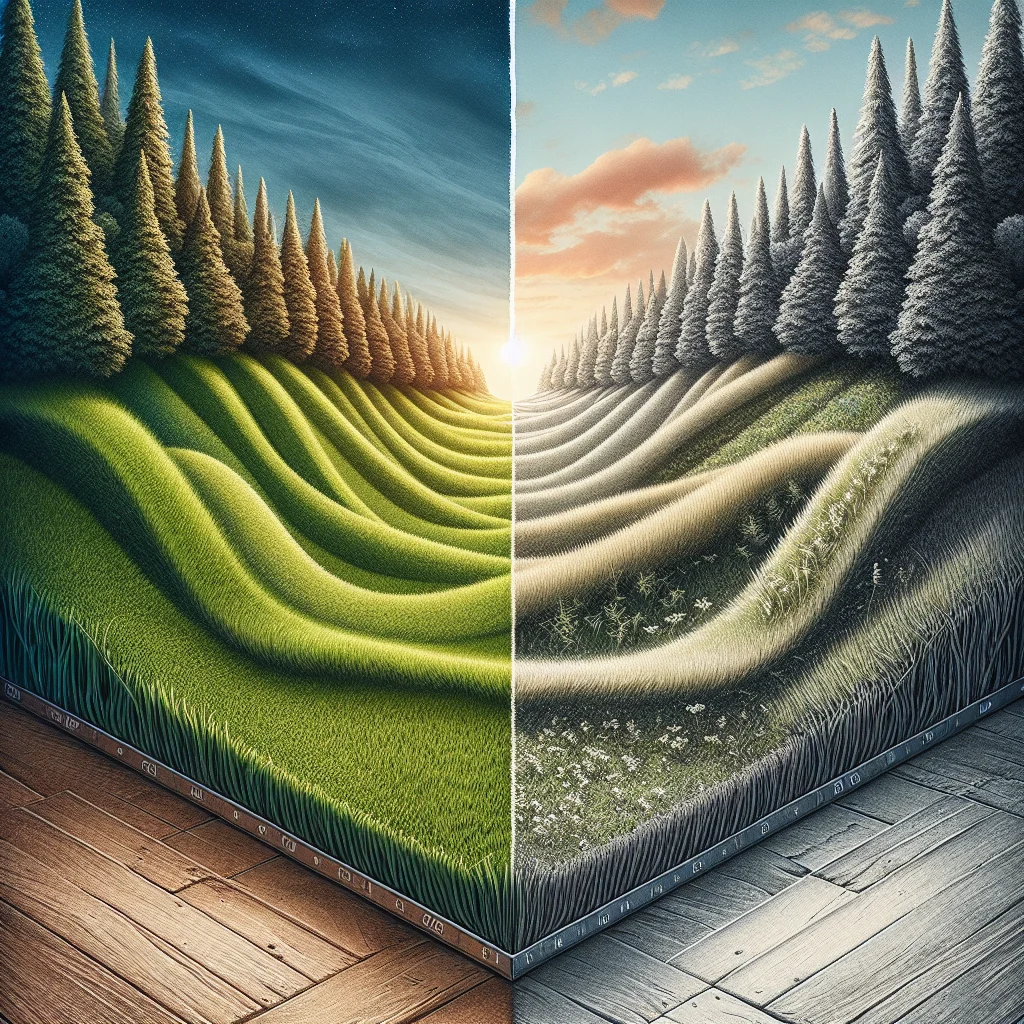
Imagine stepping out into your backyard and feeling the lush, green carpet of grass beneath your feet. Now imagine that this verdant expanse requires minimal maintenance, no watering, and remains vibrant all year round. This dream can become a reality with either synthetic or artificial grass. But what exactly sets these two apart? Let’s embark on a journey to discover the difference between synthetic grass and artificial grass and find out which option is best suited for your needs.
- Understanding Synthetic Grass
- What is Artificial Grass?
- Key Differences Between Synthetic and Artificial Grass
- Environmental Impact
- Cost Considerations
- Conclusion
- FAQs
Understanding Synthetic Grass
Synthetic grass is often seen as the superhero of modern landscaping. Designed with advanced materials, it mimics the appearance and feel of natural grass without the hassle. Think of it as the evergreen sibling who never has a bad hair day. Composed of polyethylene or polypropylene fibers, synthetic grass is engineered to withstand heavy foot traffic, harsh weather conditions, and even the occasional enthusiastic pet.
What is Artificial Grass?
On the other hand, artificial grass is like the cousin from a different town—similar but distinct. The term “artificial grass” is often used interchangeably with synthetic grass, but traditionally, artificial grass referred to older versions made from nylon, which were less durable and less lifelike compared to today’s synthetic variants.
Key Differences Between Synthetic and Artificial Grass
Material Composition
The primary difference lies in the materials used. Modern synthetic grass incorporates advanced polymers like polyethylene, making it softer and more realistic. Older artificial grass was made from stiffer nylon fibers, which could be less comfortable underfoot.
Durability and Longevity
Synthetic grass boasts impressive durability, retaining its vibrant green hue and soft texture even under constant use. Older versions of artificial grass might not have the same lifespan, requiring more frequent replacements.
Aesthetic Appeal
While both options aim to replicate natural grass, synthetic grass has an edge with its enhanced realism. The multi-tonal fibers and varied blade heights create a more authentic look compared to the uniform appearance of traditional artificial grass.
Environmental Impact
Choosing synthetic or artificial grass can significantly reduce your environmental footprint. By eliminating the need for watering, mowing, and fertilizing, you contribute to water conservation and decrease emissions from lawn maintenance equipment. For a deeper dive into the eco-friendly benefits, explore the environmental benefits of installing artificial turf.
Cost Considerations
While the initial investment for synthetic grass may be higher than traditional sod, the long-term savings are substantial. You’ll save on water bills, landscaping services, and lawn care products. Additionally, with proper installation—which you can learn about in our DIY guide—your synthetic lawn can last over a decade.
Conclusion
In the grand scheme of lawn care, choosing between synthetic and artificial grass boils down to your specific needs and preferences. Both options offer a low-maintenance, aesthetically pleasing alternative to natural grass. However, with advancements in materials and technology, synthetic grass stands out as the superior choice for modern landscapes.
For additional insights on common pitfalls during installation, visit our post on mistakes to avoid when installing artificial turf. Embrace the future of lawns with confidence and step into a greener tomorrow.
FAQs
Is synthetic grass safe for pets?
Yes, synthetic grass is safe for pets. It’s designed to be durable and easy to clean, making it an excellent choice for pet owners.
How long does synthetic grass last?
With proper care and maintenance, synthetic grass can last between 10 to 15 years.
Does synthetic grass fade over time?
High-quality synthetic grass is UV-stabilized to prevent fading, ensuring it stays vibrant for many years.
Can synthetic grass be installed on any surface?
Synthetic grass can be installed on various surfaces, including soil, concrete, and wooden decks. For best results, follow our DIY installation guide.
Choosing synthetic or artificial grass is like selecting the perfect canvas for your outdoor masterpiece. Let your lawn be a testament to innovation and sustainability.
For more information on this topic and related guides, check out Wikipedia’s page on Artificial Turf or consult EPA’s WaterSense program.