

Southern California homeowners dream of lush, green backyards that stay vibrant year-round without the constant watering, mowing, and fertilizing that natural lawns demand. Many jump into artificial grass projects with high expectations, only to discover drainage problems, uneven surfaces, or premature wear within the first year. These disappointments rarely stem from the turf itself—they’re the direct result of skipped preparation steps that professional installers know make or break long-term performance.
The reality is that successful artificial grass for backyard installations requires precise planning, proper materials, and execution that goes far beyond rolling out turf and calling it done. When homeowners understand the seven critical steps that separate amateur installations from professional results, they avoid costly mistakes and enjoy beautiful, functional outdoor spaces for 15 years or more.
Why Site Assessment Determines Your Project’s Success
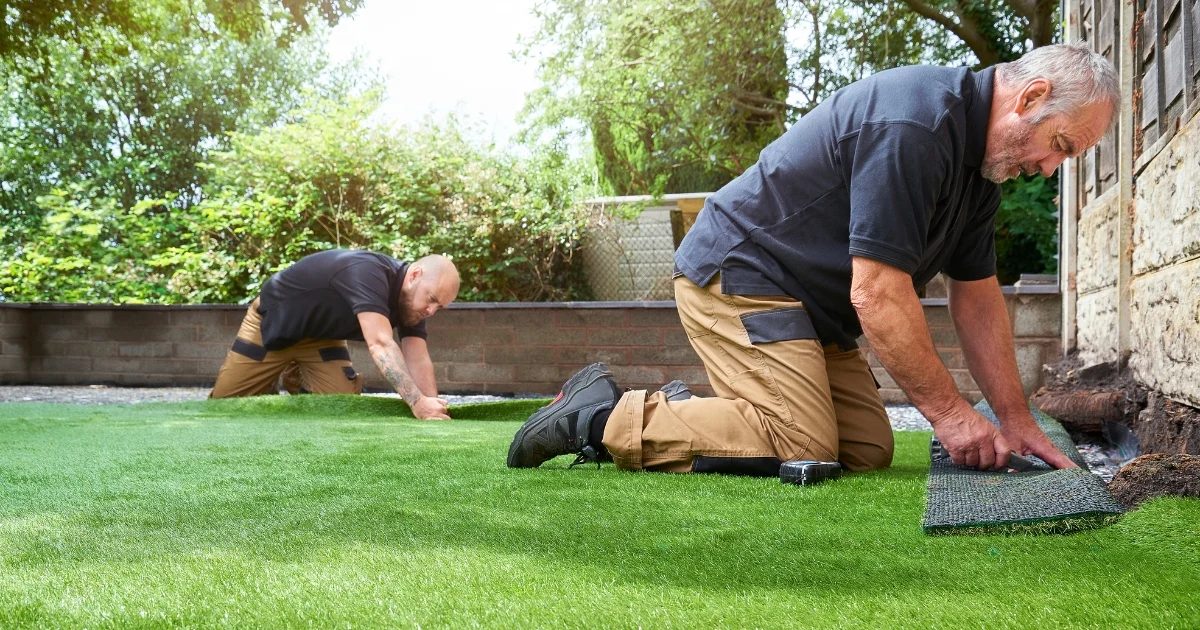
Before a single shovel breaks ground for artificial grass for backyard projects, professional installers conduct thorough site evaluations that reveal hidden challenges most homeowners never consider. Soil composition affects drainage requirements—clay-heavy soil in areas like Mission Viejo needs different base preparation than sandy soil common in Huntington Beach.
The backyard turf installation cost varies dramatically based on what this assessment uncovers. A flat, well-drained yard with minimal obstacles might cost $8-10 per square foot for quality materials and professional labor. That same square footage jumps to $15-18 per square foot when the site requires extensive grading, drainage solutions, or removal of concrete, pavers, or established landscaping.
The Foundation Layer That Most DIY Projects Skip
The turf itself represents less than half of a successful installation—the majority of the work happens below the surface, where proper base preparation creates the stable, well-draining foundation that prevents the most common failure points. This critical layer determines whether your investment lasts two years or twenty.
Professional installations use Class II road base compacted to 90% density or higher—a specification that requires commercial-grade plate compactors and moisture control during the compaction process. This creates a firm, stable surface that won’t settle unevenly or create low spots where water pools. The base layer typically measures 3-4 inches deep, though areas with poor natural drainage may require 5-6 inches plus additional drainage solutions like French drains or catch basins.
| Base Preparation Component | Professional Standard | Why It Matters |
|---|---|---|
| Base Material Depth | 3-4 inches (up to 6 for poor drainage) | Prevents settling and ensures proper drainage |
| Compaction Density | 90% or higher | Creates a stable surface that won’t shift over time |
| Drainage Grade | Minimum 1% to 2% slope | Directs water away from structures and prevents pooling |
| Edge Restraint System | Bender board or commercial edging | Prevents turf edges from lifting or separating |
The Drainage Layer That Protects Pet-Friendly Installations
For homeowners choosing artificial grass for backyard pet areas, the drainage system becomes even more critical. Dog urine contains salts and compounds that, without proper drainage, accumulate in the base layer and create persistent odors that even antimicrobial infill can’t eliminate. Professional installations for the best fake grass for dogs include drainage rates of 30+ inches per hour—far exceeding the minimum standards for general landscape applications.
This enhanced drainage comes from combining perforated turf backing with properly graded base material and, in some cases, dedicated drainage channels or perforated pipes that carry liquids away from the turf area entirely. The investment in superior drainage pays dividends for years, especially in Orange County’s climate where occasional heavy rains can overwhelm inadequate systems and create standing water or muddy base material that shows through the turf.
Why Seaming Technique Separates Professional Results from Amateur Installations
Most residential projects require multiple turf sections joined together—and the quality of these seams determines whether your artificial grass for backyard installation looks professionally installed or obviously artificial. Amateur installers often create visible lines where turf sections meet, with blade direction mismatches or gaps that widen over time as the turf settles.
Professional seaming uses specialized adhesives and seaming tape rated for outdoor exposure and temperature extremes. Professional installers who understand how to install synthetic turf use precise blade direction matching, tension control to prevent buckling, and weighted curing that bonds sections into a single continuous surface. In high-traffic areas or along edges where turf meets hardscape, additional securing methods like galvanized nails or staples every 3-4 inches prevent separation even under stress from pets, furniture, or foot traffic.
Choosing Infill That Matches Your Backyard’s Specific Needs
When selecting artificial grass for backyard installations, infill serves multiple functions beyond simply weighing down turf and keeping blades upright. The right infill choice affects surface temperature, drainage performance, cushioning, and odor control—particularly important considerations when comparing synthetic lawn vs natural grass for family recreation areas or pet zones.
Silica sand provides economical weight and blade support but offers minimal cooling or antimicrobial properties. Zeolite infill naturally controls odors through ion exchange and stays cooler than sand, making it popular for pet areas in Southern California’s warm climate. Many professional installations use layered infill systems that combine materials for optimal performance across multiple criteria. Homeowners exploring backyard putting green ideas should prioritize coated rubber or specialized turf infill that provides consistent ball roll and cushioning for practice sessions.
| Infill Type | Best Applications | Temperature Performance |
|---|---|---|
| Silica Sand | General landscape, low-traffic areas | Retains heat in direct sun |
| Zeolite | Pet areas, high-traffic zones | Stays significantly cooler than sand |
| Coated Rubber | Sports areas, play zones | Retains heat but provides cushioning |
| Antimicrobial Blends | Dog runs, multi-pet households | Moderate, with odor-control properties |
Artificial Turf Maintenance Tips and What “Low Maintenance” Really Means
The promise of maintenance-free lawns attracts many homeowners to artificial grass, but the reality requires honest expectations. Quality installations need 15-20 minutes of attention monthly to maintain appearance and performance—dramatically less than natural grass demands, but not zero. Regular brushing keeps blades upright and prevents matting in high-traffic areas. Rinsing removes dust, pollen, and pet waste residue that can accumulate despite excellent drainage.
When comparing synthetic lawn vs natural grass over 10 years, artificial turf requires less maintenance time dramatically and eliminates water bills, fertilizer costs, and equipment expenses. Pet owners with artificial grass for backyard dog areas should plan for weekly rinsing of elimination areas and monthly application of enzyme-based cleaners that break down organic compounds before they create odors. These artificial turf maintenance tips represent the complete picture—still requiring dramatically less time and expense than maintaining natural grass over the same period.
Get Your Backyard Turf Transformation Done Right the First Time at Go Turf Artificial Grass and Pavers
Southern California homeowners investing in artificial grass for backyard transformations deserve outdoor spaces that deliver year-round beauty without the water waste, chemical treatments, and endless maintenance that natural lawns demand. Whether you’re creating pet-friendly play areas, installing custom putting greens, or simply want a consistently green yard that stays beautiful through drought conditions, professional installation makes the difference between disappointment and decades of satisfaction. Go Turf Artificial Grass and Pavers brings regional expertise and proven installation methods to every project, with more than 500 successful transformations across Orange County, Anaheim, and surrounding communities. Contact our team today for a comprehensive site assessment and detailed quote that accounts for your property’s specific requirements—no hidden costs, no pressure, just honest guidance from local professionals who stand behind their work.
FAQs
1. What’s the real backyard turf installation cost per square foot in Southern California?
Professional installations typically range from $8-18 per square foot depending on turf quality, site preparation requirements, and project complexity. This includes all materials, labor, base work, drainage solutions, and edge restraints. Properties requiring extensive grading, drainage systems, or removal of existing hardscape fall toward the higher end, while flat yards with good natural drainage cost less. Budget an additional 10-15% for obstacles like mature trees, slopes, or irrigation system removal.
2. How long does fake grass last in typical backyard applications?
Quality installations last 15-20 years with proper maintenance and professional installation. High-traffic areas may show wear after 10-12 years, while low-traffic sections often exceed 20 years. Lifespan depends heavily on UV protection in the turf fibers, infill quality, base preparation, and consistent maintenance practices. Premium products with reinforced backing and UV-stabilized materials deliver the longest service life.
3. Is synthetic turf actually better than natural grass for dogs?
Pet-friendly artificial turf offers superior drainage, eliminates muddy paws, prevents digging damage, and stays green year-round despite heavy use. The best fake grass for dogs features antimicrobial infill and drainage rates exceeding 30 inches per hour that natural grass cannot match. However, pet installations require regular rinsing and occasional enzyme treatments to prevent odor buildup. Most dog owners find the trade-off strongly favors synthetic turf for cleanliness and durability.
4. Can I install artificial grass myself to save money?
DIY installation is possible for small, flat areas without drainage challenges, but risks expensive mistakes in base preparation, compaction, grading, and seaming. Professional installation ensures proper drainage slope, base compaction to 90% density or higher, invisible seams, and warranty protection. Most homeowners find the modest cost savings don’t justify the risk of premature failure or poor drainage that requires complete reinstallation.
5. What maintenance does artificial turf really require?
Expect to spend 15-20 minutes monthly brushing fibers upright, rinsing the surface, and removing debris. Pet areas need weekly rinsing and monthly enzyme treatments to prevent odor. Annual deep cleaning and infill replenishment every 2-3 years maintain appearance and performance. This represents dramatically less work than maintaining natural grass requires—making artificial grass for backyard applications a practical choice for busy homeowners.