
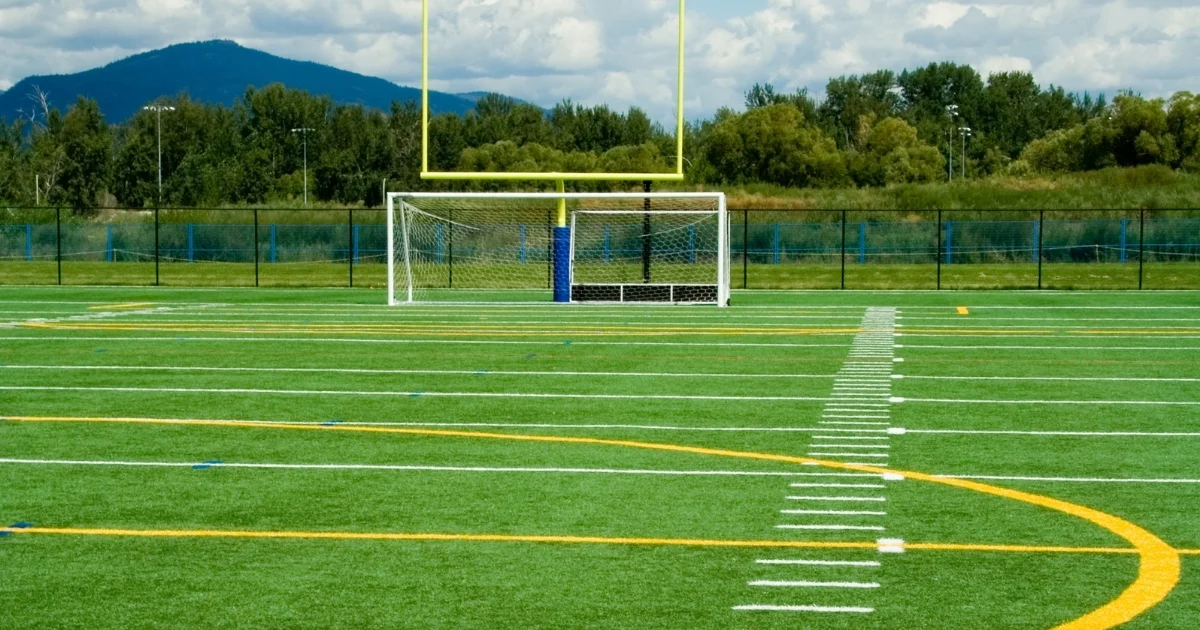
Athletic directors and facility managers across Southern California face a constant balancing act: maximizing field availability for multiple sports and programs while working within tight maintenance budgets. Natural grass fields require extensive upkeep, frequent closures for recovery, and often sit unusable during drought restrictions or after heavy rain. The result is lost revenue, frustrated coaches, and athletes who need more practice time than traditional turf can provide.
Modern artificial grass for sports field installations offers a solution that addresses these challenges head-on. Synthetic turf systems deliver year-round playability regardless of weather conditions, eliminate water consumption, and can handle significantly more annual use than natural grass fields, which typically require frequent closures for recovery. For schools, parks departments, and private sports complexes in Orange County and surrounding communities, the shift to synthetic surfaces represents both immediate operational relief and long-term financial advantage.
Why Sports Facilities Are Switching to Artificial Turf Systems
The most compelling reason facilities invest in synthetic surfaces is the dramatic increase in usable hours. A well-maintained natural grass field might accommodate limited weekly play hours before showing significant wear, forcing closures for reseeding and recovery. Artificial grass for sports field installations eliminates these limitations, and the performance benefits extend beyond simple availability. Fields remain playable immediately after rain, require no seasonal dormancy periods, and can host back-to-back games without degradation. This expanded availability translates directly to revenue generation through facility rentals, tournament hosting, and extended programming that would be impossible on natural turf.
Weather-related cancellations disappear with synthetic installations. Synthetic surfaces drain rapidly—quality systems handle heavy rainfall efficiently—and remain firm and consistent regardless of precipitation. Facilities no longer lose rental income to weather delays or spend staff hours managing field closures and recovery protocols.
How to Choose Sports Field Turf Based on Performance Needs
Different sports place distinct demands on playing surfaces, and how to choose sports field turf begins with understanding these performance requirements. Football and lacrosse require specific shock absorption characteristics measured by Gmax scores—the force reduction that protects athletes during impacts. Quality systems for contact sports typically achieve Gmax readings that meet safety standards, with lower numbers indicating better shock absorption. Soccer fields prioritize consistent ball roll and predictable bounce characteristics, requiring different pile heights and fiber orientations than football installations. Baseball and softball applications need specialized turf that accommodates sliding while maintaining firm footing for fielding plays. Multi-sport artificial turf systems must balance these competing demands, often requiring compromise specifications that serve football, soccer, and baseball programs adequately rather than optimizing for a single activity.
- Pile height and density specifications: Football fields typically use 2 to 2.5-inch pile heights with high fiber density for durability under cleated traffic, while soccer installations may use slightly shorter piles (1.5 to 2 inches) for optimal ball control and faster play speeds.
- Fiber composition and coating technology: Modern polyethylene fibers offer a softer feel and better player comfort, while nylon blends provide superior resilience in high-wear areas like goal mouths and between hash marks.
- Drainage system integration: Base construction with proper grading and perforated backing ensures rapid water evacuation, preventing puddles and maintaining playability during and immediately after rain events.
- UV stabilization and climate resistance: Southern California’s intense sun exposure requires UV-stabilized fibers that resist fading and degradation, maintaining performance characteristics throughout the system’s lifespan.
The Real Cost Comparison: Synthetic Systems vs Traditional Grass
Understanding the artificial turf vs natural grass comparison requires looking beyond initial installation costs to total ownership expenses over a decade or more. Evaluating artificial grass for sports field projects requires this comprehensive view of total ownership costs rather than installation price alone. Natural grass fields cost $2 to $4 per square foot to install, making them appear budget-friendly at first glance. A standard 80,000-square-foot football field might cost $160,000 to $320,000 for natural turf installation, including irrigation systems and drainage. However, annual maintenance expenses tell a different story.
Natural grass demands ongoing investment in irrigation, mowing, fertilization, aeration, and pest control. Annual expenses run $5,000 to $20,000 depending on field size and usage intensity. Over ten years, these recurring costs add $50,000 to $200,000 to the initial installation investment, plus lost revenue from field closures. Beyond direct maintenance expenses, natural grass fields carry hidden costs that synthetic installations eliminate. Field closures for recovery after heavy use or weather events represent lost rental revenue that compounds over time. Tournament opportunities disappear when facilities cannot guarantee field availability weeks in advance. Understanding sports field maintenance requirements helps facilities budget accurately for the minimal ongoing care synthetic surfaces need.
| Expense Category | Natural Grass (10 Years) | Artificial Turf (10 Years) |
|---|---|---|
| Initial Installation | $160,000 – $320,000 | $640,000 – $960,000 |
| Annual Maintenance | $50,000 – $200,000 | $20,000 – $50,000 |
| Water Costs | $15,000 – $40,000 | $0 |
| Total 10-Year Cost | $225,000 – $560,000 | $660,000 – $1,010,000 |
The synthetic turf installation cost for that same 80,000-square-foot field runs $8 to $12 per square foot, totaling $640,000 to $960,000 including base preparation, drainage infrastructure, turf materials, and infill. Annual maintenance drops dramatically to $2,000 to $5,000, covering periodic grooming, infill replenishment, and seam inspections. Over ten years, total maintenance expenses add just $20,000 to $50,000 to the initial investment. Water costs disappear entirely, saving facilities thousands of dollars annually in irrigation expenses. The higher initial investment in synthetic turf pays dividends through expanded programming capacity and eliminated weather cancellations, with facilities consistently reporting positive ROI within five to eight years.
| Maintenance Task | Frequency | Purpose |
|---|---|---|
| Grooming and Brushing | Weekly | Redistributes infill, lifts fibers, prevents compaction |
| Deep Cleaning | Monthly | Removes debris, prevents drainage issues, maintains appearance |
| Seam and Infill Inspection | Quarterly | Identifies wear patterns, checks structural integrity, plans repairs |
| Infill Replenishment | Annually | Maintains shock absorption, restores proper depth in worn areas |
Level the Playing Field with Professional Turf Solutions at Go Turf Artificial Grass & Pavers
Choosing the right synthetic surface for your athletic facility requires balancing performance needs, budget realities, and long-term operational goals. Whether you manage a school district complex, municipal park system, or private sports facility, the decision to install artificial grass for sports field applications represents a significant investment that will shape your programming capabilities for years to come. Go Turf Artificial Grass & Pavers brings decades of experience designing and installing multi-sport artificial turf systems throughout Southern California, with expertise in climate-appropriate infill selection, drainage engineering, and sport-specific performance optimization. Our team works directly with facility directors and athletic administrators to evaluate current field usage, calculate realistic ROI projections, and develop customized solutions that meet your performance standards without exceeding your budget. Contact Go Turf Artificial Grass & Pavers today to schedule a facility assessment and receive a transparent proposal that addresses your specific needs, usage patterns, and long-term maintenance planning.
FAQs
The following are the most frequently asked questions regarding artificial grass for sports fields.
1. What is the lifespan of synthetic turf on sports fields?
Quality artificial grass for sports field applications typically lasts eight to twelve years with proper maintenance, though high-traffic areas may show wear around year seven or eight. Lifespan depends on usage intensity, maintenance consistency, infill replenishment schedules, and climate conditions affecting fiber degradation. Facilities hosting multiple sports or year-round programming may experience faster wear in specific zones, while well-maintained single-sport installations often exceed ten years of service.
2. How much does synthetic turf installation cost for a full-size sports field?
A standard football or soccer field measuring approximately 80,000 square feet costs $640,000 to $960,000 installed, or $8 to $12 per square foot including base preparation, drainage systems, turf materials, and infill. Multi-sport configurations requiring specialized line markings or performance zones increase costs, while smaller fields reduce total investment proportionally. Installation pricing varies based on site conditions, accessibility, and regional labor rates.
3. What maintenance does artificial turf require for athletic fields?
Weekly grooming with specialized brushes redistributes infill and maintains fiber orientation, monthly deep cleaning removes debris and prevents drainage issues, and quarterly inspections check seams and infill levels. Annual costs run $2,000 to $5,000 including equipment and materials, compared to $5,000 to $20,000 for natural grass alternatives. Documented maintenance records are typically required to maintain warranty coverage.
4. Which infill material works best for sports field turf?
Determining the best infill for athletic fields depends on climate—coated sand and organic infills stay significantly cooler than crumb rubber in hot climates, making them popular choices for Southern California installations where afternoon practices occur during peak heat. Hybrid systems combining materials optimize shock absorption for contact sports while maintaining appropriate ball response for soccer and other activities. Climate conditions, sport type, budget constraints, and temperature management priorities determine the ideal infill specification for each facility.
5. Does sports field turf warranty cover performance degradation?
Understanding sports field turf warranty coverage is essential—most manufacturers provide eight-year warranties covering fiber integrity and seam separation, but exclude wear from normal use, UV damage beyond specifications, and maintenance-related issues. Performance warranties require documented maintenance logs proving proper care protocols were followed consistently. Many warranties pro-rate coverage after year five or six based on usage intensity, reducing the manufacturer’s financial responsibility as the system ages and experiences predictable wear patterns.