
Introduction
Imagine stepping out into your backyard and being greeted by a lush, green oasis that stays vibrant year-round. Artificial grass offers this dream to homeowners across the United States. However, achieving this paradise isn’t as simple as rolling out a carpet. Can you really just lay artificial grass on soil? The answer is more complex than it seems.
- The Importance of Proper Installation
- Why Soil Alone Isn’t Enough
- The Essential Steps to Install Artificial Grass
- Common Mistakes to Avoid
- Environmental and Cost Benefits
The Importance of Proper Installation
Laying artificial grass requires meticulous planning and execution to ensure durability and aesthetic appeal. Imagine building a house without a foundation—sounds impractical, right? Similarly, laying artificial turf directly on soil is akin to setting yourself up for future problems.
Why Soil Alone Isn’t Enough
Soil is a living, breathing element that changes with weather conditions. It expands when wet and contracts when dry, causing instability. This instability can lead to bumps and uneven surfaces in your artificial lawn, making it less appealing and more prone to damage.
For a more comprehensive understanding of common pitfalls during installation, consider reading our article on common mistakes to avoid when installing artificial turf.
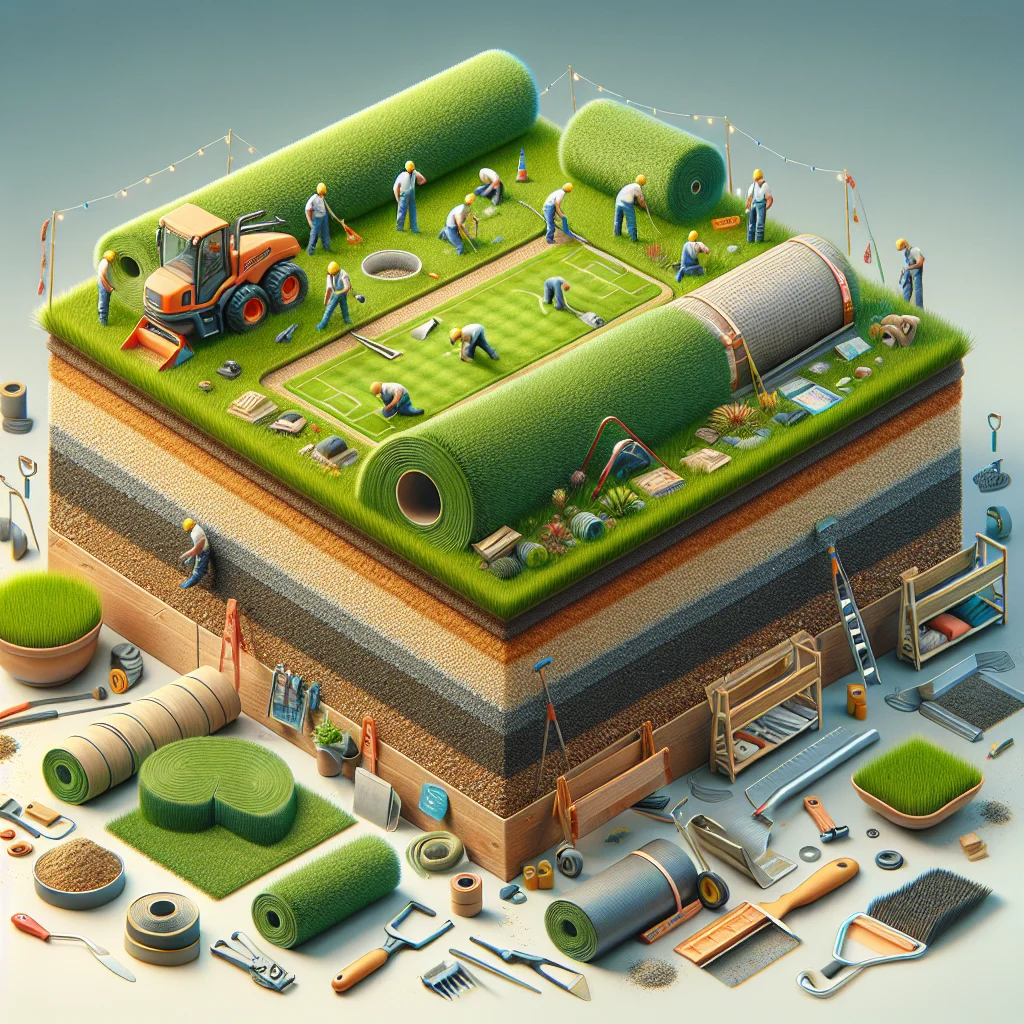
The Essential Steps to Install Artificial Grass
A well-installed artificial lawn begins with a solid foundation. Here’s a succinct step-by-step guide:
- Clear the Area: Remove any existing grass, rocks, or debris.
- Excavate: Dig down about 3-4 inches to make room for base layers.
- Add Base Material: Lay a few inches of crushed rock or gravel and compact it thoroughly.
- Install a Weed Barrier: Prevent unwanted growth by adding a permeable weed barrier.
- Lay the Turf: Roll out the artificial grass and trim edges to fit your space.
- Secure the Turf: Use landscape staples or nails to secure the grass firmly in place.
- Add Infill: Distribute infill material (like silica sand) evenly to help blades stand upright.
For a detailed guide, feel free to read our complete step-by-step guide to artificial turf installation.
Common Mistakes to Avoid
Avoiding mistakes during installation can save you time and money. Missteps like neglecting the base layer or failing to secure the edges can lead to a disappointing result. Always follow professional guidelines to ensure your lawn is both beautiful and functional.
Environmental and Cost Benefits
Beyond aesthetics, artificial turf offers significant environmental benefits. By eliminating the need for watering, mowing, and chemical treatments, synthetic grass helps conserve water and reduce maintenance costs. For a deeper dive into these benefits, check out our article on how artificial turf saves water and reduces maintenance costs.
Key Takeaways
- Laying artificial grass directly on soil can lead to issues like uneven surfaces and instability.
- A solid base layer is essential for a durable and aesthetically pleasing lawn.
- Proper installation involves several steps, from excavation to securing the turf and adding infill.
- Avoiding common mistakes can save both time and money.
- Artificial turf provides environmental benefits and reduces maintenance costs.
FAQ
Can I install artificial grass myself?
Yes, with the right tools and guidelines, you can install artificial grass yourself. However, professional installation ensures optimal results.
How long does artificial grass last?
High-quality artificial grass can last up to 15-20 years with proper maintenance.
Is artificial grass pet-friendly?
Absolutely! Artificial grass is designed to be durable and safe for pets, providing them with a comfortable play area.
Conclusion
Laying artificial grass directly on soil might seem tempting for its simplicity, but this shortcut could lead to long-term issues. Proper installation involves creating a stable base, which ensures your lawn remains lush and beautiful for years to come. By following the right steps and avoiding common mistakes, you can enjoy the myriad benefits that artificial turf has to offer.
If you’re considering making the switch to synthetic grass, explore our resources on the environmental benefits, or compare it with natural grass in our detailed analysis.
Your dream lawn is just a few steps away—let’s make it happen!
To ensure your outdoor spaces are perfect from start to finish, always follow best practices as recommended by experts like those at the EPA Greenacres program. Additionally, get inspired by innovative landscaping ideas from reputable sources like Better Homes & Gardens.