
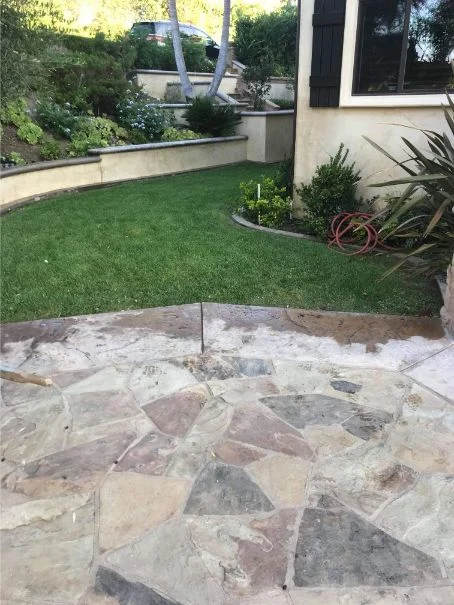
So, you’ve decided to join the artificial turf revolution. Smart move! But before you roll out that emerald carpet, let’s talk about some pitfalls that could turn your dream lawn into a DIY nightmare. Knowing what to avoid is half the battle in achieving that perfect, low-maintenance landscape you’ve been dreaming of.
Why Getting It Right Matters
Installing artificial turf isn’t just about laying down some fake grass and calling it a day. A proper installation ensures:
- Longevity of your investment
- Optimal performance and appearance
- Proper drainage
- Safety for all users
Let’s dive into the common mistakes to avoid when installing artificial turf, so you can create a lawn that looks great for years to come.
Top Blunders in Artificial Turf Installation
Skimping on Ground Preparation
Think of ground prep as the foundation of your artificial turf project. Skimp here, and you’re setting yourself up for trouble.
What can go wrong :
- Uneven surfaces
- Poor drainage
- Premature wear and tear
Do this instead : Take the time to remove existing vegetation, level the ground, and create a proper base with crushed stone or sand.
Choosing the Wrong Base Material
Your base material is crucial for stability and drainage. Using the wrong stuff is like building a house on sand.
Common errors include :
- Using regular soil as a base
- Choosing the wrong grade of crushed stone
The right way : Use a proper base material like crushed stone (typically 3/8 inch or smaller) to ensure stability and drainage.
Neglecting Proper Drainage
Water pooling on your artificial turf ? That’s a recipe for disaster.
Consequences of poor drainage :
- Water pooling
- Mold growth
- Unstable surface
The fix : Ensure a slight slope (about 1 inch per 8 feet) away from buildings and consider installing a drainage system for larger areas.
Misaligning Turf Pieces
Nothing screams “fake grass” like visible seams and misaligned turf pieces.
The solution : Always lay turf pieces in the same direction and use proper seaming techniques. It’s like combing your hair – you want everything going the same way!
Using Low-Quality Materials
Trying to save a few bucks on cheap turf or adhesives ? You might end up paying more in the long run.
The smart approach : Invest in high-quality artificial turf and installation materials. It pays off in longevity and appearance.
A Closer Look at Installation Errors
Let’s break down some more specific mistakes to watch out for :
| Installation Step | Common Mistake | Correct Approach |
|---|---|---|
| Base Preparation | Not compacting the base properly | Use a plate compactor for a firm, stable base |
| Turf Cutting | Inaccurate measurements and cuts | Measure twice, cut once with a sharp utility knife |
| Seaming | Visible or weak seams | Use quality seaming tape and adhesive, ensure tight fit |
| Infill Application | Uneven or insufficient infill | Apply infill evenly, brush thoroughly into fibers |
Tools of the Trade: Don’t Skip These
Using the right tools can make or break your artificial turf installation. Here are some you shouldn’t skip:
- Plate compactor: For creating a solid base
- Carpet kicker: Essential for stretching turf
- Power broom: Crucial for infill distribution
- Sharp utility knife: For precise cuts
Environmental Considerations
When installing artificial turf, it’s crucial to consider environmental factors :
Ignoring Local Climate
Different climates may require different installation techniques or turf types.
The smart way :
Choose turf and infill materials suitable for your local climate. For example, areas with high temperatures might benefit from cooling infills.
Overlooking Eco-Friendly Options
Not considering environmentally friendly options can be a missed opportunity.
The green approach : Look into recyclable turf options and eco-friendly infills.
The “https://www.epa.gov/greeningepa/green-landscaping-epa”>EPA’s Green Landscaping program offers great insights on sustainable landscaping practices.
After the Install: Don’t Drop the Ball
Your job isn’t done once the turf is installed. Avoid these post-installation mistakes :
Neglecting Regular Maintenance
Even artificial turf needs some TLC to stay in top shape.
Keep it pristine : Brush the turf regularly, remove debris, and rinse occasionally to keep it clean and fresh.
Using Harsh Chemicals
Strong chemicals can damage your artificial turf faster than you can say “weed killer.”
The safe approach : Stick to mild, turf-safe cleaning solutions when necessary.
Frequently Asked Questions
Can I install artificial turf over existing grass?
It’s not recommended. Proper base preparation is crucial for longevity and performance.
How long does a DIY artificial turf installation typically take?
For an average-sized yard, expect to spend 2-3 days on installation.
Is professional installation worth the cost?
For larger or complex areas, professional installation can save time and ensure a high-quality result.
Can artificial turf be installed on a slope?
Yes, but proper drainage considerations are crucial. You may need additional support or a specialized installation technique.
By avoiding these common mistakes when installing artificial turf, you’re setting yourself up for success. Remember, patience and attention to detail are your best friends in this process. Take your time, follow best practices, and don’t hesitate to seek professional advice if you’re unsure.
With careful planning and execution, you’ll soon be enjoying a beautiful, low-maintenance lawn that’s the envy of the neighborhood. Say goodbye to mowing and hello to more time enjoying your outdoor space !