
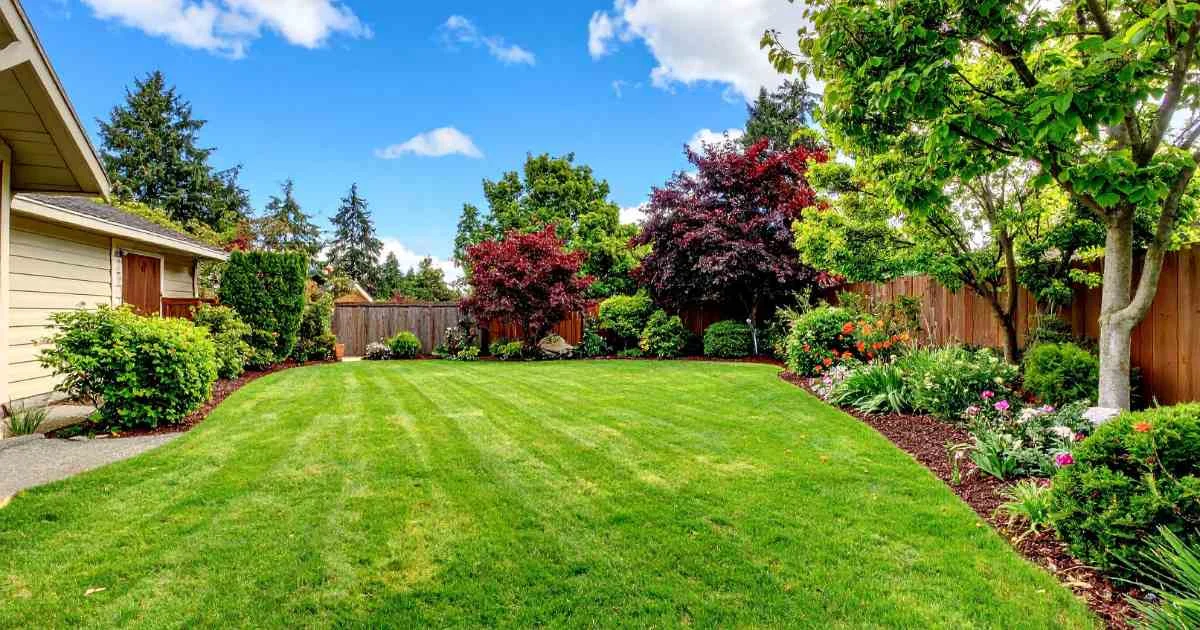
Homeowners across Southern California invest in artificial turf expecting decades of lush, green performance with minimal upkeep. Understanding realistic longevity expectations helps you maximize that investment and plan for the future. Quality synthetic grass installations typically deliver 15-25 years of reliable service when properly maintained, though several critical factors influence where your lawn falls within that range. The difference between a turf system that barely reaches its warranty period and one that performs beautifully for two decades often comes down to installation quality, product selection, and consistent care.
Realistic Lifespan Expectations for Artificial Grass
The artificial grass lifespan for residential installations ranges from 15-25 years, with premium products and expert installation consistently reaching the upper end of this spectrum. Manufacturer warranties typically cover 8-15 years, but these represent minimum performance guarantees rather than actual service life. Well-maintained turf systems routinely outlast their warranty periods by 5-10 years, delivering exceptional value over time.
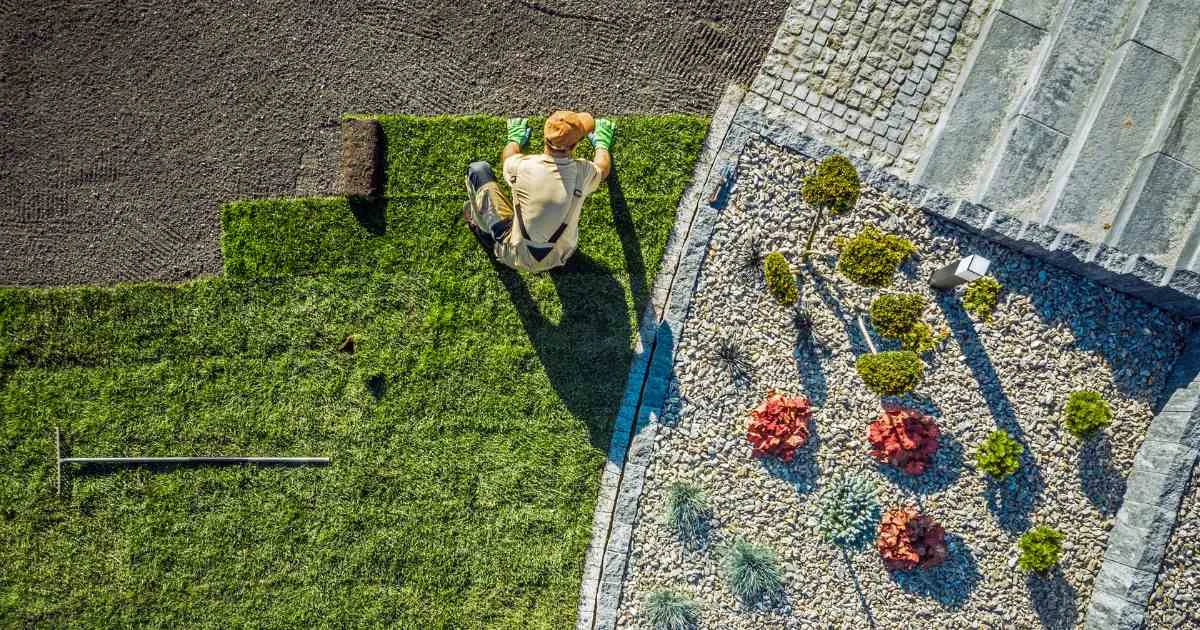
Installation quality plays an equally important role in determining longevity in real-world conditions. Proper base preparation, drainage systems, and seaming techniques protect the turf from premature failure caused by settling, poor water management, or seam separation. Professional installers understand that Southern California’s soil composition, drainage patterns, and climate conditions require specific installation approaches that directly affect how long turf lasts.
Five Critical Factors That Determine Artificial Lawn Longevity
These five variables account for most variation in synthetic turf durability. Homeowners frequently ask what affects turf lifespan most significantly, and the answer involves a combination of product quality, environmental conditions, and care practices working together:
- Product quality tier: Face weight, fiber composition, backing material, and UV stabilization technology separate premium products from budget options, with quality differences translating to 5-10 additional service years
- Foot traffic patterns: High-use areas like pet runs, play zones, and frequently traveled pathways experience accelerated fiber wear and infill compaction compared to decorative or low-traffic sections
- Climate exposure: Intense UV radiation, temperature extremes, and moisture patterns affect fiber degradation rates, with Southern California’s strong sun requiring products with advanced UV protection
- Installation precision: Proper base compaction, drainage grading, seaming techniques, and infill distribution prevent common failure points that reduce lifespan regardless of product quality
- Maintenance consistency: Regular brushing, debris removal, infill management, and periodic deep cleaning prevent premature wear patterns and extend performance by years
| Quality Tier | Typical Lifespan | Key Characteristics |
|---|---|---|
| Entry-Level | 10-15 years | Basic UV protection, lighter face weight, standard backing |
| Mid-Grade | 15-20 years | Enhanced UV stabilizers, moderate density, improved drainage |
| Premium | 20-25 years | Advanced UV technology, high-density fibers, reinforced backing, heat reduction |
Proven Maintenance Practices That Extend Performance
How long does fake grass last? Consistent care routines dramatically influence how long fake grass lasts in residential applications. Monthly brushing with a stiff-bristled broom or power broom restores fiber position, prevents matting, and redistributes infill material evenly across the surface. This simple practice takes 15-20 minutes for an average residential lawn but adds years to the installation’s functional life by preventing irreversible fiber damage.
Quarterly deep cleaning removes organic debris, dust, and contaminants that accumulate within the turf fibers and infill layer. Pet owners benefit from more frequent cleaning cycles, particularly in high-use areas where odor-causing bacteria can develop. Professional cleaning services use specialized equipment and antimicrobial treatments that extend performance longevity.
Infill management represents another critical maintenance component. Infill materials settle and compact over time, particularly in high-traffic zones. Annual inspection and top-up applications maintain proper infill depth, which supports fiber position, provides cushioning, and facilitates drainage. Neglecting infill maintenance leads to fiber matting, poor drainage, and accelerated wear patterns that significantly reduce how long turf lasts.
Essential Artificial Grass Maintenance Tips
Remove leaves, twigs, and debris weekly to prevent organic material from decomposing within the turf system. Rinse pet areas promptly after use to prevent odor development. Address stains immediately using appropriate cleaning solutions rather than allowing them to set and potentially damage fibers.
Early detection of minor issues allows for simple repairs that prevent larger problems. Regular inspections help you catch problems before they compound into major failures. Check drainage performance after heavy rain events to ensure water flows through the system properly. Poor drainage indicates infill compaction or base settling that requires professional attention before causing permanent damage.
| Maintenance Task | Frequency | Impact on Lifespan |
|---|---|---|
| Brushing/grooming | Monthly | Prevents fiber matting, adds 3-5 years |
| Deep cleaning | Quarterly | Removes contaminants, maintains appearance |
| Infill inspection/top-up | Annually | Supports fibers, prevents compaction damage |
| Professional service | Every 2-3 years | Addresses issues beyond homeowner capability |
Recognizing When to Replace Artificial Turf
Knowing when to replace artificial turf prevents the frustration of maintaining a system that has reached the end of its functional life. Visible backing deterioration represents a clear replacement indicator, as the backing provides structural integrity for the entire system.
Widespread fiber matting that no longer responds to brushing indicates the fibers have permanently lost their resilience and the turf has reached the end of its functional life. Similarly, significant fading or discoloration that affects overall appearance rather than isolated spots indicates UV degradation has progressed beyond acceptable levels.
Persistent drainage problems that professional maintenance cannot resolve often stem from base settling or backing deterioration. When water pools on the surface after rain or irrigation despite proper infill levels and cleaning, the underlying system has likely deteriorated beyond effective repair. Seam separation affecting multiple areas also suggests structural degradation requiring replacement rather than repair.
Cost Considerations for Replacement
Turf replacement cost varies based on square footage, product selection, and site preparation requirements. Homeowners replacing existing turf often save on base preparation expenses if their original installation used proper materials and techniques.
Many homeowners choose to upgrade to premium products during replacement, benefiting from improved technology and performance characteristics developed since their original installation.
Turf That Goes the Distance at Go Turf Artificial Grass and Pavers
The question “How long does turf last?” has a clear answer: the right combination of quality products, expert installation, and consistent maintenance determines whether your lawn reaches 15 years or 25. Southern California homeowners partnering with experienced professionals benefit from climate-specific product recommendations, precision installation techniques, and ongoing support that protects their investment for decades. Go Turf Artificial Grass and Pavers brings years of installation experience to every project, ensuring proper base preparation, drainage systems, and seaming techniques that support 20-plus-year performance. Our team understands how Southern California’s unique climate conditions affect artificial lawn longevity and selects products engineered for maximum durability in intense sun and year-round use. Contact Go Turf Artificial Grass and Pavers today for a consultation on artificial grass solutions designed to deliver exceptional value and beautiful outdoor spaces for decades to come.
FAQs
Homeowners considering artificial turf or maintaining existing installations often have questions about longevity, care requirements, and replacement timing. These answers address the most common concerns about maximizing your investment.
1. How long does fake grass last in hot climates like Southern California?
High-quality artificial turf with advanced UV stabilization typically lasts 15-20 years in Southern California’s intense sun and heat. Premium products featuring heat-reduction technology and proper installation can extend this range to 20-25 years with consistent maintenance. The key factors include selecting products specifically rated for high UV exposure and ensuring proper drainage to prevent heat retention in the base materials.
2. What are the warning signs that artificial turf needs replacement?
Key indicators include visible backing deterioration such as cracking or brittleness, widespread fiber matting that does not recover after brushing, significant fading or discoloration across large areas, persistent drainage problems despite proper maintenance, and seam separation affecting multiple locations. Minor issues in isolated areas can often be repaired, but multiple symptoms appearing simultaneously suggest the system has reached the end of its functional life and requires replacement.
3. Does artificial grass require maintenance to reach its full lifespan?
Yes, regular maintenance is essential for achieving the full 20-25-year lifespan potential. Monthly brushing prevents fiber matting, quarterly deep cleaning removes contaminants, annual infill top-ups maintain proper support and drainage, and prompt stain removal prevents permanent damage. Homeowners who implement consistent care routines typically see their installations last 5-10 years longer than neglected systems using identical products.
4. How does artificial turf lifespan compare to natural grass maintenance costs?
While artificial turf requires significant upfront investment, its 15-25-year lifespan eliminates ongoing expenses for water, fertilizer, mowing equipment, and reseeding. Most Southern California homeowners recover their installation costs within 5-8 years through eliminated water bills and maintenance expenses. Over 20 years, the total cost of ownership for quality artificial turf typically runs significantly lower than maintaining natural grass in our climate.
5. Can high foot traffic reduce how long synthetic turf lasts?
Heavy foot traffic in concentrated areas can compress infill material and accelerate fiber wear, potentially reducing overall lifespan by 3-5 years compared to low-traffic installations. Strategic placement of pavers or stepping stones in high-traffic zones, regular brushing to restore fiber position, and periodic infill redistribution effectively mitigate traffic-related wear. Pet owners and families with active children benefit from selecting higher-density products specifically designed for heavy-use applications.