
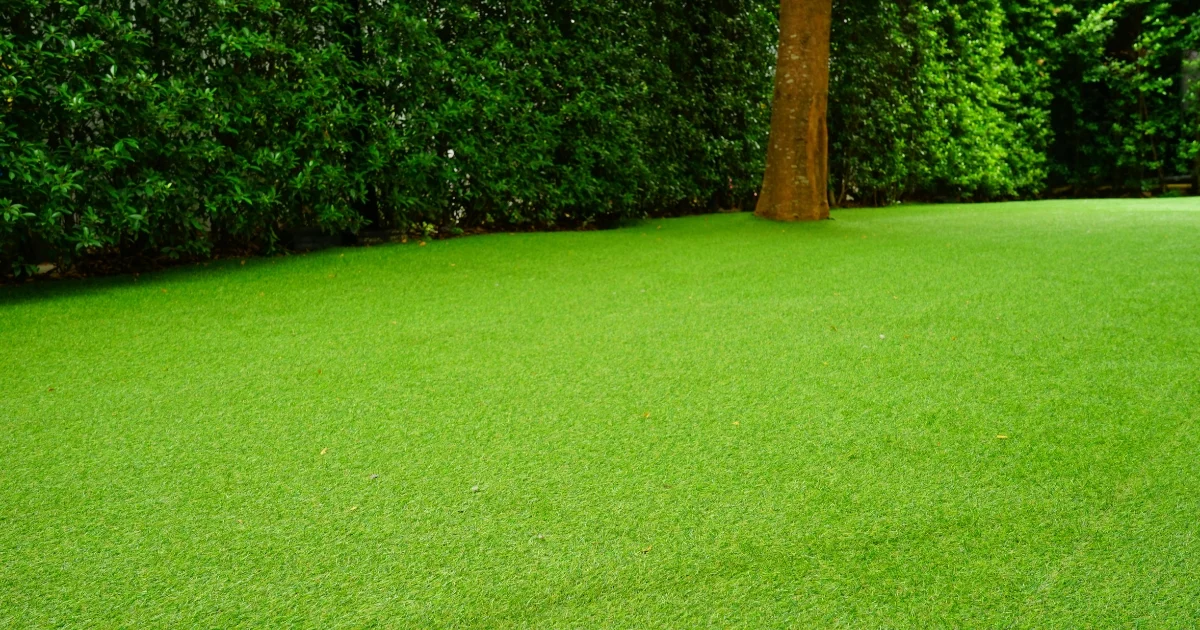
Southern California homeowners face a familiar challenge: maintaining a lush, green lawn in a region where water costs continue to climb, and drought restrictions tighten every year. Traditional grass demands constant watering, weekly mowing, fertilizing, and pest control—expenses that add up quickly in both time and money. For families looking to reclaim their weekends and reduce utility bills, an artificial turf backyard offers a practical solution that delivers year-round beauty without the ongoing maintenance burden.
Modern synthetic turf has evolved far beyond the stiff, plastic-looking products of decades past. Today’s options provide realistic texture, natural color variation, and advanced drainage systems that make them ideal for everything from play areas to pet zones. Whether you’re managing a compact yard in Huntington Beach or a sprawling property in Mission Viejo, these installations can transform outdoor spaces while addressing water conservation goals and eliminating the need for chemical treatments that impact local ecosystems.
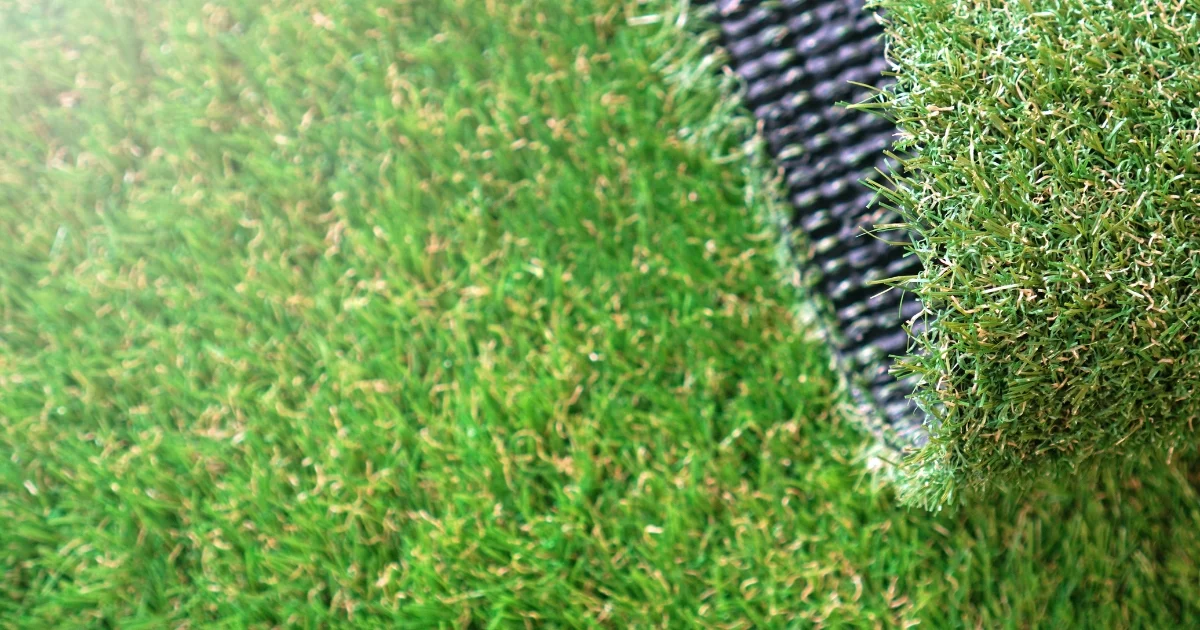
Why Artificial Turf Backyards Outperform Natural Grass
The average Southern California lawn consumes substantial water annually—water district studies show natural grass requires constant irrigation that places significant strain on regional water supplies throughout the dry season. Synthetic grass for small yards or larger properties eliminates this water consumption. This dramatic reduction in water usage directly impacts monthly utility bills, with many homeowners reporting substantial savings during peak summer months when irrigation demands surge.
Backyard Turf Installation Cost and Design Options by Yard Size
Understanding backyard turf installation cost helps homeowners budget effectively and make informed decisions about their outdoor investment. Pricing varies based on yard size, turf quality, and site preparation requirements, but transparent cost ranges provide a realistic starting point for planning.
| Yard Size | Typical Cost Range | Key Considerations |
|---|---|---|
| Small Yards (Under 500 sq ft) | $2,500 – $4,500 | Higher per-square-foot cost due to minimum service fees, ideal for courtyards and side yards |
| Medium Yards (500-1,500 sq ft) | $5,000 – $12,000 | Most common residential size, economies of scale improve pricing, room for design features |
| Large Yards (1,500+ sq ft) | $12,000 – $25,000+ | Best per-square-foot value, opportunity for multiple zones and integrated hardscaping |
Several variables influence final project costs beyond basic square footage. Turf quality grades range from economy options suitable for low-traffic areas to premium products with advanced UV protection and realistic blade patterns. Edge finishing options include bender board, decorative borders, or integration with existing hardscape elements, each affecting both aesthetics and budget.
Homeowners exploring backyard landscaping ideas with turf discover that synthetic grass serves as an excellent foundation for comprehensive outdoor design. Combining it with pavers creates defined pathways and entertainment areas, while gravel sections provide drainage zones and visual contrast. Raised planters filled with drought-tolerant succulents and native plants add vertical interest without competing for water resources.
Pet-Friendly Artificial Grass Installation and Maintenance Essentials
Dog owners discover that a pet-friendly artificial grass backyard solves multiple challenges simultaneously, from drainage to year-round greenery. Unlike natural grass that develops brown spots from pet waste and turns muddy during rain, quality synthetic turf maintains its appearance regardless of weather or pet activity. The key lies in proper installation techniques that address drainage and odor control from the outset.
Professional installations for pet areas incorporate specialized drainage systems that allow liquids to pass through the turf backing and percolate through a crushed rock base. This design prevents pooling and ensures rapid drying after rain or cleaning. Antimicrobial infill products provide an additional layer of odor control by inhibiting bacterial growth between turf fibers.
Maintaining pet-friendly artificial turf requires minimal effort compared to natural grass care, though establishing a routine keeps surfaces fresh and hygienic. For solid waste, simply remove and dispose of it as you would with natural grass. Rinse the area with a garden hose to dilute any residue—the drainage system handles the rest. For urine, occasional rinsing helps prevent any potential odor buildup, though quality turf with proper drainage rarely develops issues. Enzyme-based cleaners designed specifically for artificial turf break down organic matter and neutralize odors without damaging turf fibers or infill materials.
Concerns about turf durability in pet areas are valid, but modern products specifically engineered for animal use withstand impressive wear. Face weight—the amount of fiber per square yard—indicates durability, with pet-specific products typically ranging from 60 to 90 ounces. Higher face weights resist matting and maintain appearance even with large, active dogs.
How to Install Fake Grass in Backyard: Professional vs. DIY Approaches
Understanding how to install fake grass in backyard settings helps homeowners weigh professional installation against DIY approaches. While smaller, simple projects may suit confident DIYers, most residential installations benefit from professional expertise that ensures proper base preparation, drainage, and long-term performance.
| Installation Aspect | DIY Approach | Professional Installation |
|---|---|---|
| Base Preparation | Manual excavation, rental compactor, potential drainage issues | Precise grading equipment, proper slope calculation, engineered drainage solutions |
| Seam Quality | Visible seams common, potential separation over time | Invisible seams, grain-matched installation, long-term durability |
| Timeline | Multiple weekends, learning curve, potential rework | One to three days for most residential projects |
| Warranty Coverage | Product warranty only, no installation guarantee | Comprehensive coverage including materials and workmanship |
Artificial Lawn Maintenance Tips for Long-Term Performance
Understanding artificial lawn maintenance tips helps homeowners protect their investment and ensure decades of beautiful, functional outdoor space. Unlike natural grass that demands constant attention, synthetic turf requires minimal care—but the right routine preserves appearance and extends product life.
Regular debris removal represents the most frequent maintenance task. Leaves, twigs, and other organic matter should be cleared weekly using a leaf blower, stiff broom, or plastic rake. Avoid metal rakes that can damage turf fibers. For areas under trees or near landscaping, more frequent clearing prevents debris from decomposing and creating staining or odor issues.
Rinsing serves multiple purposes: it removes dust and pollen, cools the surface on hot days, and refreshes the turf’s appearance. A simple garden hose spray every few weeks suffices for most installations. Areas with heavy pet use benefit from more frequent rinsing, while shaded sections may need attention only monthly.
Brushing maintains fiber orientation and prevents matting in high-traffic zones. A power broom makes quick work of larger areas, while a stiff-bristled push broom handles smaller sections effectively. Brush against the grain to lift flattened fibers and redistribute infill material.
Why Choose Synthetic Turf Over Natural Grass for Southern California Properties
When evaluating Southern California’s climate and water challenges, the question of why choose synthetic turf over natural grass has a clear answer: ongoing drought conditions make water-intensive landscaping increasingly impractical. Many municipalities now offer rebates for turf replacement, recognizing that drought-resistant backyard solutions like artificial turf contribute significantly to regional water conservation goals.
Natural grass struggles in Southern California’s Mediterranean climate, requiring constant irrigation during the dry season that extends from May through October. Even drought-tolerant grass varieties need regular watering to maintain acceptable appearance.
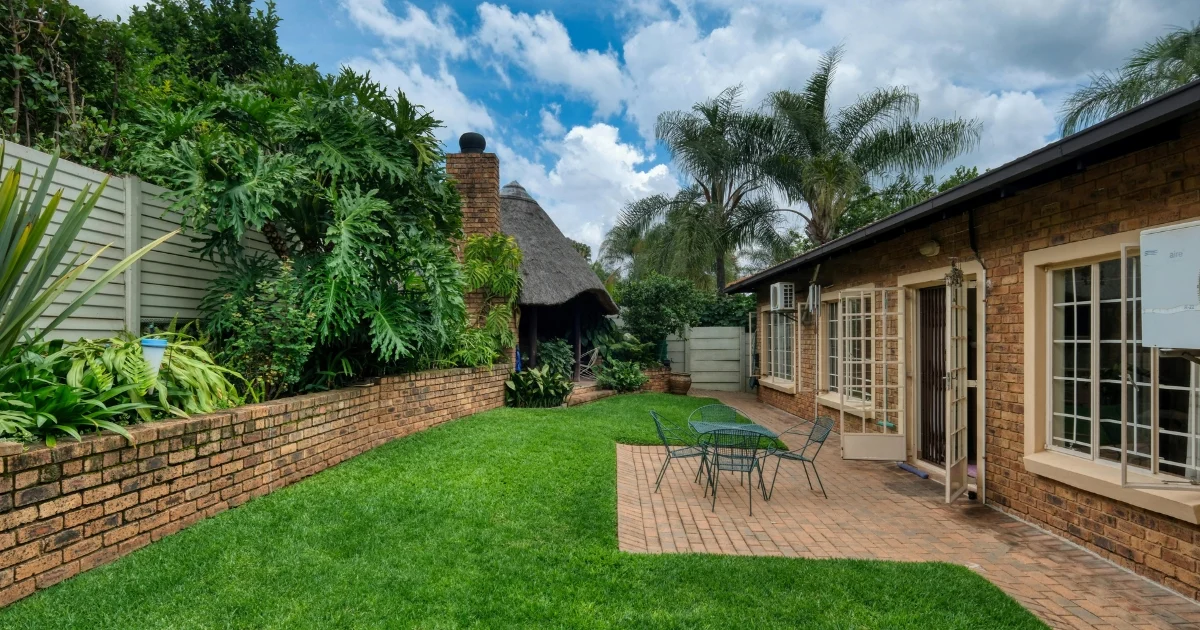
Exceptional Backyard Maintenance with Go Turf Artificial Grass & Pavers
Transforming your outdoor space with artificial turf delivers immediate benefits and long-term value that traditional grass simply cannot match. From dramatic water savings to reclaimed weekends, the advantages extend far beyond aesthetics. Whether you’re managing a compact yard in Anaheim or a sprawling property in Orange County, an artificial turf backyard provides a practical solution that addresses water conservation, maintenance reduction, and year-round beauty.
Ready to explore how synthetic turf can transform your property? Go Turf Artificial Grass & Pavers brings decades of experience to every installation, combining premium products with expert craftsmanship that ensures lasting performance. Our team provides comprehensive consultations, transparent pricing, and personalized design solutions that integrate turf with pavers, outdoor living features, and existing landscaping. Contact us today for a free assessment and discover how we can create the low-maintenance, water-wise outdoor space you’ve been envisioning.
FAQs
Here are answers to the most common questions homeowners ask about artificial turf installations.
1. How long does artificial turf last in a backyard setting?
Quality artificial turf typically lasts 15–20 years with proper installation and basic maintenance. UV-resistant products with strong backing materials maintain their appearance and structural integrity even in high-sun environments like Southern California.
2. Does artificial turf get too hot for kids and pets in summer?
Modern artificial turf includes heat-reflective technology that reduces surface temperatures significantly compared to older products. Choosing lighter-colored turf, installing shade structures, and using cooling infill options keeps surfaces comfortable even during peak summer months. A quick rinse with a garden hose before use provides additional cooling when needed.
3. Can I install artificial turf myself or should I hire professionals?
While DIY installation is possible for small, simple areas, professional installation ensures proper base preparation, drainage systems, and seam quality that affect long-term performance. Complex yards with slopes, existing landscaping, or drainage challenges benefit significantly from experienced installers who prevent costly mistakes. Professional installation also includes warranty coverage for both materials and workmanship, providing peace of mind that DIY projects cannot offer.
4. How do I maintain artificial turf in my backyard?
Maintenance involves regular debris removal with a leaf blower or rake, occasional rinsing to remove dust, and periodic brushing to keep fibers upright. Pet areas require more frequent rinsing and enzyme treatments, but overall maintenance takes considerably less time than natural grass care.
5. Will artificial turf work with my existing backyard features like pools and patios?
Artificial turf integrates seamlessly with pools, patios, decking, and other hardscape elements. Professional installers create custom edges, work around existing features, and combine turf with pavers or decorative rock to create cohesive outdoor living spaces. The versatility of synthetic grass makes it ideal for creating defined zones—play areas, entertainment spaces, and relaxation zones—that enhance your entire backyard design while maintaining visual continuity.