
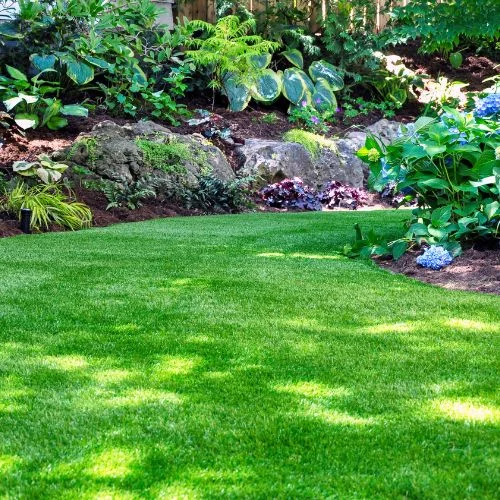
Selecting the right artificial turf can be a game-changer for your outdoor space. Whether you’re looking to create a lush backyard oasis, a durable sports field, or a pet-friendly area, the perfect artificial turf is out there. But with so many options available, how do you choose? Let’s dive into the key factors that will help you make the best decision for your specific needs.
Understanding Your Needs: The First Step
Before we get into the nitty-gritty of artificial turf selection, it’s crucial to identify your specific requirements. Ask yourself:
- What’s the primary use of the area? (Residential lawn, sports field, pet area, etc.)
- How much foot traffic will it receive?
- What’s your local climate like?
- Do you have any specific aesthetic preferences?
- What’s your budget?
With these questions in mind, let’s explore the key factors to consider when choosing artificial turf.
Key Factors in Choosing Artificial Turf
Pile Height
Pile height refers to the length of the turf blades. Different heights suit different purposes:
- Short (0.5-1 inch): Ideal for putting greens or bocce ball courts
- Medium (1-2 inches): Great for most residential lawns and light sports use
- Long (2+ inches): Best for landscaping and areas where a lush look is desired
Face Weight
Face weight indicates the density of the turf. Higher face weight usually means more durability:
- Light (30-50 oz): Suitable for low-traffic areas
- Medium (50-80 oz): Good for most residential applications
- Heavy (80+ oz): Best for high-traffic areas and sports fields
Blade Shape and Material
The shape and material of the blades affect both appearance and performance:
- Flat blades: More durable, ideal for high-traffic areas
- S-shaped or C-shaped blades: More realistic appearance, better for residential use
- Nylon: Extremely durable, great for sports applications
- Polyethylene: Softer feel, more realistic look
Infill Type
Infill helps support the turf fibers and affects its feel underfoot:
- Silica sand: Most common, provides good stability
- Crumb rubber: Offers excellent shock absorption for sports applications
- Acrylic-coated sand: Antimicrobial properties, good for pet areas
- Organic infills: Eco-friendly options like cork or coconut husk
Choosing Turf for Specific Applications
Different uses require different turf characteristics. Here’s a quick guide:
| Application | Recommended Features |
|---|---|
| Residential Lawn | Medium pile height, realistic look, soft feel |
| Sports Field | High face weight, durable fibers, shock-absorbing infill |
| Pet Area | Antimicrobial infill, good drainage, easy to clean |
| Putting Green | Short pile height, dense fibers, smooth surface |
Environmental Considerations
As we become more environmentally conscious, it’s important to consider the eco-friendliness of your artificial turf:
- Look for recyclable materials
- Consider turf made from renewable resources
- Check for low-VOC (Volatile Organic Compound) certifications
- Opt for water-conserving designs
For more on sustainable landscaping, check out the <a href=”https://www.epa.gov/watersense/outdoors”>EPA’s WaterSense program for outdoor water efficiency.
Budget Considerations
While price shouldn’t be the only factor, it’s an important consideration:
- Higher quality turf generally costs more but lasts longer
- Factor in long-term savings on water and maintenance
- Consider the warranty – longer warranties often indicate better quality
- Don’t forget to include installation costs in your budget
Testing and Samples
Before making a final decision:
- Request samples of your top choices
- Feel the texture and compare colors in your outdoor space
- Test for heat retention if you live in a warm climate
- Check how the turf looks at different times of day
Installation Considerations
The best turf can underperform if not installed correctly. Consider:
- Professional installation vs. DIY
- Proper base preparation
- Seaming techniques
- Drainage requirements
Maintenance Requirements
While artificial turf is low-maintenance, some upkeep is still required:
- Brushing to keep fibers upright
- Rinsing to remove dust and debris
- Refilling infill as needed
- Addressing any repairs promptly
Frequently Asked Questions
How long does artificial turf typically last?
With proper care, high-quality artificial turf can last 15-20 years or more.
Is artificial turf safe for children and pets?
Yes, most modern artificial turfs are designed to be safe for both children and pets. Look for non-toxic materials and antimicrobial properties.
Can artificial turf be installed over concrete?
Yes, but it requires special considerations for drainage and shock absorption.
How does artificial turf impact property value?
Well-installed, high-quality artificial turf can potentially increase property value by improving curb appeal and reducing maintenance needs.
Choosing the best artificial turf for your needs involves careful consideration of various factors, from the specific application to environmental concerns and budget constraints. By understanding these elements and how they relate to your unique situation, you can make an informed decision that will provide years of enjoyment and value.
Remember, the perfect artificial turf for you balances functionality, aesthetics, durability, and cost. Don’t hesitate to consult with professionals or request multiple samples before making your final choice. With the right artificial turf, you can create a beautiful, low-maintenance outdoor space that meets all your needs and exceeds your expectations.