
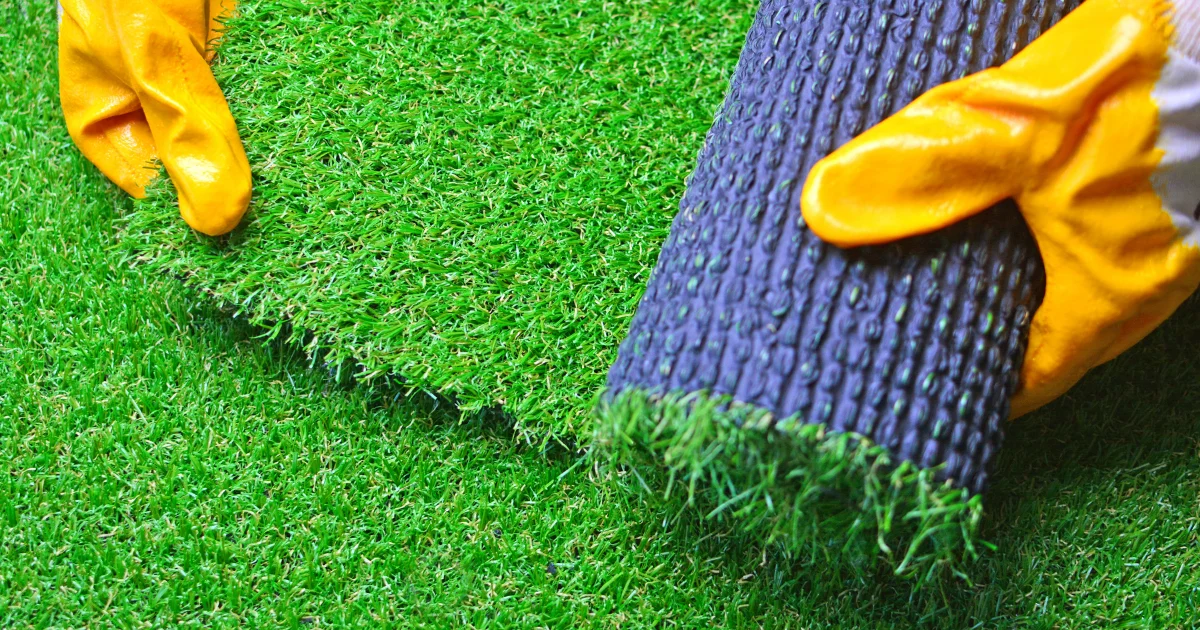
Artificial turf is one of the lowest-maintenance landscaping options available, but “low maintenance” doesn’t mean “no maintenance.” Regular care keeps fibers upright, colors vibrant, and the surface free of odors, debris, and bacteria. Knowing how to clean artificial turf the right way can add years to its lifespan and keep your yard looking professionally installed long after the install crew leaves. Whether you’re dealing with everyday dust, pet messes, or stubborn stains, the right routine makes all the difference.
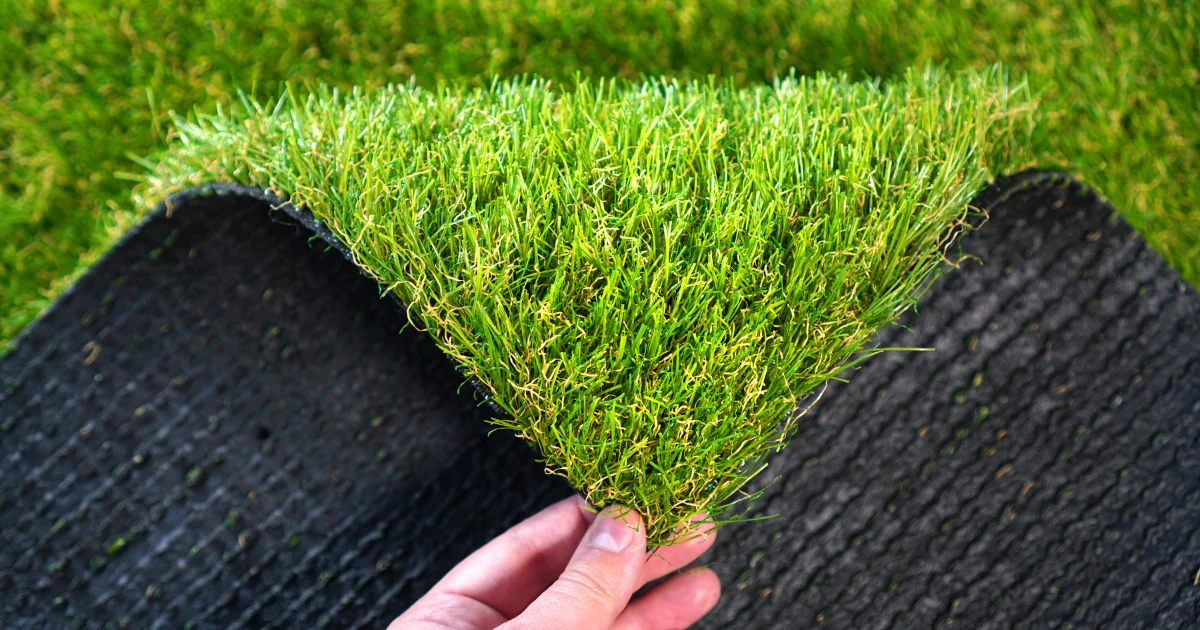
Why Cleaning Artificial Turf Matters
Synthetic grass doesn’t grow, but it does collect everything that lands on it—dust, pollen, leaves, pet waste, food spills, and tracked-in dirt. Without regular cleaning, that buildup mats down fibers, traps odors, and shortens the useful life of the entire installation. Learning how to clean artificial turf properly is the difference between a yard that looks great at year 12 and one that needs replacing at year seven.
The benefits of consistent artificial turf maintenance include:
- Extended fiber life and color retention
- Better drainage through the backing
- Reduced odors, especially in pet areas
- A safer, more sanitary play surface for kids and pets
- Improved curb appeal and resale value
Tools You’ll Need Before You Start
Before getting into how to clean artificial turf step by step, gather a few basic tools. Most are inexpensive and available at any home improvement store.
| Tool | Purpose | Frequency of Use |
| Stiff-bristled broom or push broom | Brushing fibers upright | Monthly |
| Leaf blower or rake | Removing leaves, twigs and debris | As needed |
| Garden hose with spray nozzle | Rinsing surface and pet areas | Weekly to as needed |
| Bucket and mild dish soap | Spot cleaning spills | As needed |
| White vinegar (diluted with water) | Odor neutralization | Monthly for pet areas |
| Enzyme-based pet cleaner | Breaking down urine and waste | As needed |
| Soft-bristled brush | Working in cleaner on stains | As needed |
Avoid metal-bristled brushes, harsh chemicals, bleach, and pressure washers on high settings—all of these can damage synthetic fibers or strip out infill.
Weekly and Monthly Maintenance Routine
Routine fake grass care doesn’t take long, but it should be consistent. Building a simple weekly and monthly rhythm prevents the bigger problems that lead to deep cleaning or premature replacement.
A typical maintenance routine looks like this:
- Weekly: Remove leaves, twigs and debris with a leaf blower or plastic rake
- Weekly: Pick up pet waste daily and rinse the area afterward
- Monthly: Brush high-traffic zones to lift matted fibers
- Monthly: Rinse the entire surface to flush dust, pollen and fine debris
- Quarterly: Inspect seams, edges and infill levels for issues
- Annually: Top off infill where it has thinned or migrated
That schedule alone covers the bulk of what synthetic turf actually needs. Most problems homeowners face come from skipping the basics for too long, not from missing some advanced technique.
How to Clean Pet Areas and Remove Odors
Pet areas need the most attention, and they’re also where most homeowners run into trouble. Knowing how to clean artificial turf in spots used by pets is essential to keeping your yard fresh.
The basic pet area routine:
- Pick up solid waste daily, the same as you would with natural grass
- Rinse the area thoroughly with a hose after each pickup
- Spray a 50/50 white vinegar and water solution once a week to neutralize odors
- Use an enzyme-based pet cleaner monthly to break down lingering urine residue
- Brush the area to keep fibers upright and prevent matting
For homes with multiple pets or larger dogs, pet-friendly turf cleaning may need to happen more often. The good news is that quality pet-grade turf is built with antimicrobial infill and enhanced drainage, which makes artificial turf odor removal much easier than on standard residential turf.
Removing Stains and Spills
Spills happen—food, drinks, grease, sticky kids’ projects and the occasional mystery substance. The faster you act, the easier artificial turf stain removal becomes.
| Stain Type | Cleaning Method |
| Food and beverage spills | Blot with paper towels, then clean with mild soap and water |
| Pet urine | Rinse with water, follow with enzyme cleaner |
| Pet waste (solid) | Remove, rinse thoroughly, spray with vinegar solution |
| Grease or oil | Apply mineral spirits with a cloth, then rinse |
| Sticky residue (gum, sap) | Use ice to harden, then scrape and rinse |
| Paint or ink | Blot immediately, apply mild solvent, rinse fully |
| Algae or moss | Scrub with diluted vinegar, rinse, brush dry |
Always rinse the area thoroughly after using any cleaner, and avoid letting solvents sit on the turf longer than necessary. Test any new cleaner in an inconspicuous spot first.
Brushing and Grooming Your Turf
Foot traffic, pet activity, and infill settling can flatten turf fibers over time. Regular turf brushing keeps the lawn looking full and upright, and it’s one of the most impactful things you can do for long-term appearance.
Best practices for brushing:
- Always brush against the natural grain of the fibers
- Use a stiff-bristled push broom or a power broom for larger areas
- Focus extra effort on high-traffic zones like pathways, gate openings and pet zones
- Brush after heavy storms to redistribute displaced infill
Most homeowners find that a quick monthly brush in busy areas keeps everything looking freshly installed-yesterday.
When to Call in the Pros
Knowing how to clean artificial turf at home covers the everyday work, but deep cleaning artificial grass every one to two years is best left to a professional. Pros use specialized equipment to flush deep into the backing, sanitize the surface, and redistribute or replenish infill—work that’s tough to replicate with a hose and broom.
Signs it’s time for a professional cleaning:
- Persistent odors that don’t respond to home cleaning
- Visible matting that brushing can’t fix
- Drainage slowing noticeably after rain
- Infill levels that have dropped significantly
- High-traffic seasons (post-summer, post-holidays, post-pet activity)
A professional service two times during the life of your turf can extend its overall lifespan by years and restore the yard to near-new condition.
Keeping It Green with GoTurf
When you know exactly how to clean artificial turf, the difference shows in the years of vibrant, fresh-looking turf you get out of every installation. GoTurf installs premium synthetic turf systems across Orange County and supports clients with maintenance guidance, deep cleaning services, and pet-friendly upgrades designed for real-life family use. Whether you’re starting from scratch, dealing with stubborn pet odors or ready for a professional refresh, the GoTurf team can help you keep your yard looking the way it did on installation day. Contact GoTurf today to schedule a consultation, request a maintenance visit or get expert advice on caring for your synthetic lawn for the long haul.
FAQs
1. How often should I clean my artificial turf?
Light maintenance like debris removal and rinsing should happen weekly, while brushing and full-surface rinsing work best on a monthly basis. Pet areas often need daily attention to prevent odor buildup. A professional deep clean every one to two years extends overall lifespan and freshness.
2. Can I pressure wash artificial turf?
Pressure washing on high settings can damage turf fibers and displace infill, so it’s generally not recommended. A standard garden hose with a spray nozzle delivers enough force for routine cleaning. If you do use a pressure washer, use the lowest setting and keep the wand at least 12 inches from the surface.
3. What’s the best way to remove pet odors from artificial turf?
Start with daily waste pickup and weekly hose rinses, then add a diluted white vinegar spray to neutralize odors. For deeper odor issues, enzyme-based pet cleaners break down residual urine compounds the way mild soaps can’t. Persistent odors that won’t go away usually mean the infill needs a professional flush.
4. Will cleaning artificial turf damage the fibers?
Cleaning won’t damage fibers as long as you use the right tools and avoid harsh chemicals. Skip metal brushes, bleach, full-strength solvents, and high-pressure water at close range. Stiff-bristled plastic brooms, mild soap, vinegar solutions, and enzyme cleaners are all turf-safe.
5. Can rain clean my artificial turf for me?
Rain helps rinse off loose dust and pollen, but it’s not a substitute for proper cleaning. Pet waste, oils, sticky spills, and stuck-on debris still need active removal. Think of rain as a helpful supplement to your routine, not a replacement.