
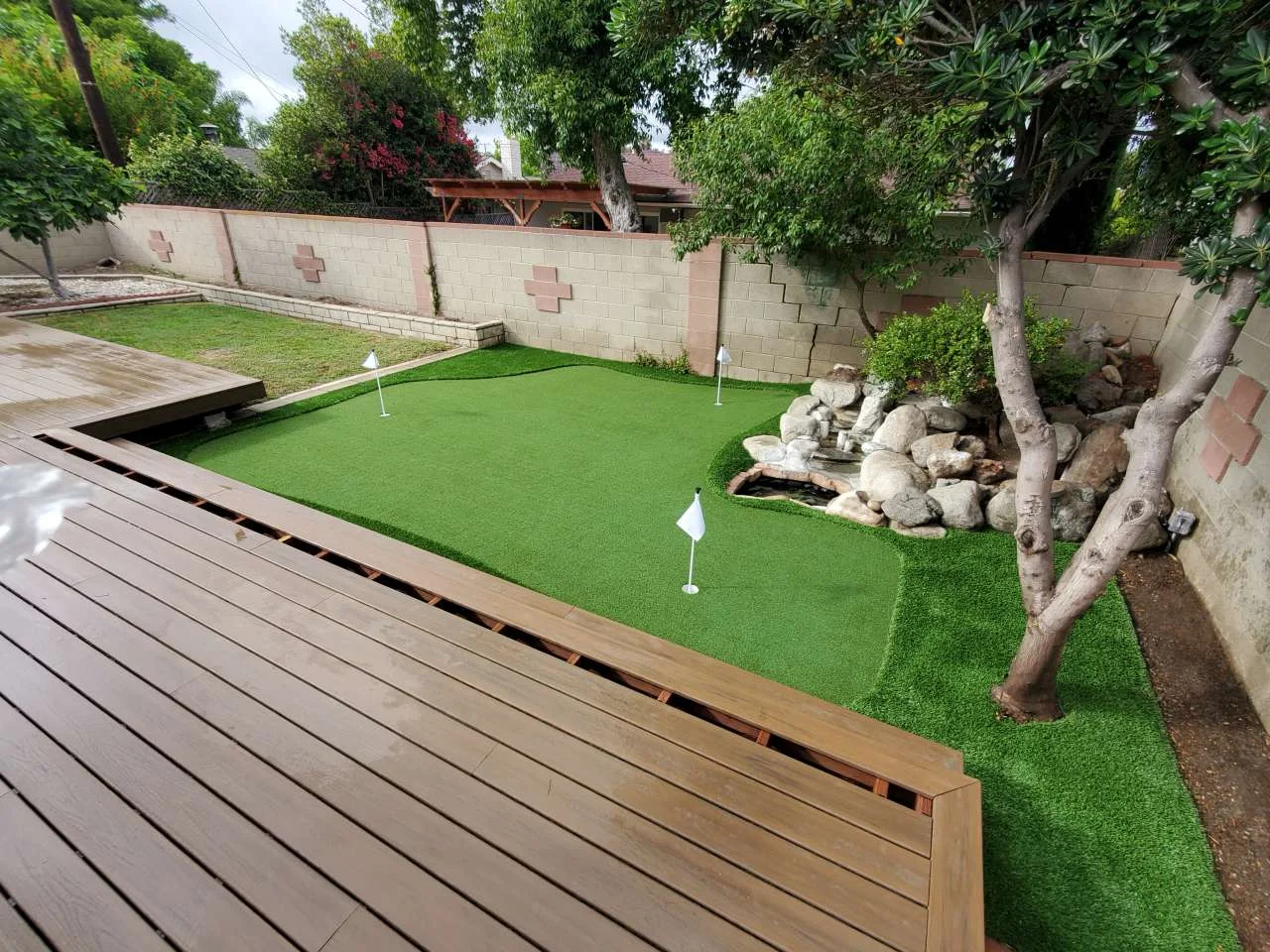
Turning a section of your yard into a dedicated play zone is one of the best investments you can make in your kids’ childhood. The right setup gets them off screens, burns through endless energy and gives the whole family a reason to spend more time outside. Whether you’re working with a sprawling lot or a compact suburban yard, smart backyard playground ideas can transform unused space into the favorite spot in the house. The key is balancing fun, safety, durability, and design—and planning the layout before you start buying equipment.
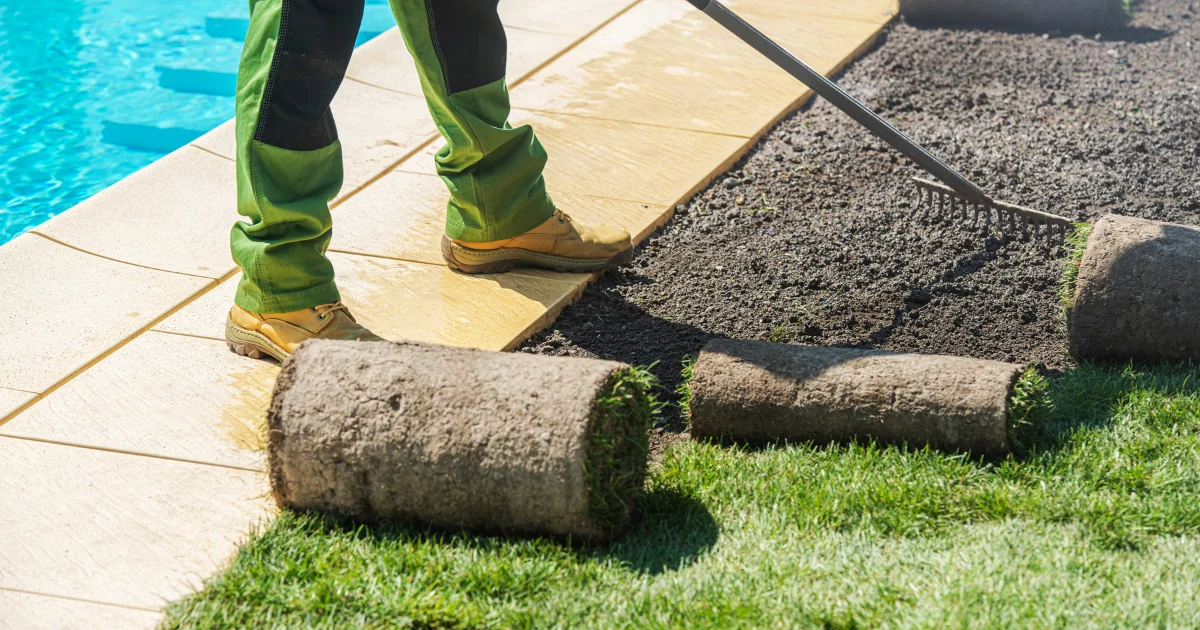
Start with a plan before you build.
The most common mistake homeowners make is ordering a play structure first and figuring out the rest later. Smart backyard playground ideas start with a clear plan: how much space you have, who will use it, how long they’ll use it, and what your yard can realistically handle.
A few questions to answer before you spend a dollar:
- How old are the kids today, and how old will they be in five years?
- How much yard space can you dedicate without crowding other uses?
- What’s the sun exposure—full sun, partial shade, or mostly shaded?
- What’s underfoot now: grass, dirt, concrete, or a slope?
- What’s your real maintenance tolerance once the novelty wears off?
Walking through these questions first makes every later decision easier. You’ll know which playground equipment fits, what surface to choose and whether you need to factor in shade structures or drainage work.
Pick the Right Play Structure for the Age Range
Equipment that delights a three-year-old can bore an eight-year-old, and equipment built for older kids can be dangerous for toddlers. The best backyard playground ideas account for current ages and the next several years of growth.
| Age Range | Best Equipment Options | Recommended Footprint |
| 2 to 4 years | Toddler swings, low platforms, sandboxes, tunnels | 100 to 200 sq ft |
| 5 to 8 years | Swing sets, slides, climbing walls, monkey bars | 250 to 500 sq ft |
| 9 to 12 years | Zip lines, ninja courses, basketball hoops, trampolines | 400 to 800 sq ft |
| Mixed ages | Modular play systems with multiple activity zones | 500 to 1,000 sq ft |
Modular systems are often the smartest long-term play because you can swap out toddler features for tween-friendly upgrades as the kids grow. That flexibility extends the useful life of your backyard play structure by years.
Choose a Safe Play Surface
What’s under the equipment matters more than the equipment itself. Falls are the leading cause of playground injuries, and the surface you choose is the single biggest factor in how serious those falls become. When evaluating backyard playground ideas, treat the safe play surface as a non-negotiable line item — not an afterthought.
Popular surfacing options include the following:
- Engineered wood fiber—affordable, soft underfoot, but needs regular topping off
- Rubber mulch—long-lasting and shock-absorbing, but can get hot in direct sun
- Poured rubber—premium look and seamless safety, with the highest upfront cost
- Pea gravel—Inexpensive and drains well, but not toddler-friendly
- Artificial turf with shock pad—soft, clean, year-round green, and pet-friendly
An artificial turf playground installation has become one of the most popular choices for residential yards because it combines safety, low maintenance, and aesthetics in one system. Paired with a proper shock-absorbing pad, turf meets fall-height safety standards while looking like a finished lawn the rest of the year.
Add Zones, Not Just Equipment
The best kids’ outdoor play space designs aren’t one big structure in the middle of a flat patch—they’re a series of zones that invite different kinds of play. Active climbing in one area, quiet imagination play in another, water or sand zones for sensory exploration, and an open run-around area in between.
Effective zoning ideas to consider:
- A climbing and swinging zone anchored by the main play structure
- A creative zone with a mud kitchen, art easel or sand table
- A sports zone for a small basketball hoop, soccer goal or putting green
- A reading or chill zone with a small shaded bench or hammock
- A loose-parts zone with logs, stumps, rocks or building materials
Zoning naturally extends play sessions because kids cycle between activities instead of getting bored on a single piece of equipment.
Don’t Forget Shade, Safety and Storage
Even the most exciting backyard play area will go unused if it bakes in afternoon sun or feels unsafe. Three details that consistently get overlooked:
- Shade—A pergola, shade sail, or strategically placed tree can extend usable hours during summer and protect kids from sunburn.
- Visibility—Place the playground where you can see it from a kitchen window, patio, or main living area.
- Storage—A small deck box or shed near the play zone keeps balls, chalk, bubbles, and water toys accessible without cluttering the yard.
Budget-Friendly DIY Options
Not every family is ready to invest in a custom build. Plenty of DIY backyard playground ideas deliver real fun at a fraction of the cost — especially if you have basic tools and a free weekend.
| DIY Project | Estimated Cost | Skill Level |
| Tire swing from existing tree | $20 to $50 | Beginner |
| Sandbox with built-in seating | $100 to $250 | Beginner |
| Wooden balance beam course | $75 to $200 | Beginner |
| Climbing wall on fence or shed | $200 to $500 | Intermediate |
| Mud kitchen from reclaimed pallets | $50 to $150 | Beginner |
| Ninja warrior obstacle line | $300 to $700 | Intermediate |
The biggest advantage of DIY isn’t just cost — it’s customization. You can size every element to your yard, your kids, and your budget.
Designing for the Long Haul
A great backyard playground isn’t a five-year amenity that gets torn out when the kids hit middle school. With thoughtful planning, the same space can evolve into a teen hangout, a fitness zone, or even a quiet adult escape. Modular equipment, durable surfacing, and zoned layouts all make this kind of evolution possible.
Materials matter here, too. Pressure-treated wood, powder-coated steel, marine-grade plastics, and UV-stabilized artificial turf all hold up better against years of sun, rain, and rough use than budget alternatives.
Bringing Your Backyard Playground to Life with GoTurf
The best backyard playground ideas combine smart design with surfaces that hold up year after year—and that’s where GoTurf comes in. Specializing in premium artificial turf installation across Orange County, the GoTurf team designs and installs pet-friendly, kid-friendly turf systems with proper shock-pad layers, drainage, and safety standards built right in. Whether you’re refreshing a tired play zone or designing a new backyard from scratch, GoTurf can help you create a surface that’s soft, safe, and beautiful all year long. Contact GoTurf today for a free consultation and start turning your backyard playground ideas into a space your kids — and your neighbors — will be talking about for years.
FAQs
1. How much space do I need for a backyard playground?
Most residential play structures require 200 to 800 square feet, depending on the equipment and age range. Always add at least a six-foot safety buffer around swings, slides, and climbing features. If space is tight, modular vertical playground equipment maximizes play value while keeping the footprint small.
2. What is the safest surface for a backyard play area?
Artificial turf with a shock-absorbing pad is one of the safest and most popular surfaces, meeting fall-height safety standards while staying clean and low-maintenance. Engineered wood fiber and poured rubber are also strong options. Avoid concrete, asphalt, or bare dirt directly under any climbing equipment.
3. Are DIY backyard playground ideas safe?
Yes, as long as you follow standard safety practices—secure all anchors, use rounded edges, maintain proper fall zones and choose appropriate hardware. Many DIY backyard playground projects are actually safer than discount big-box kits because you control the materials and construction quality. When in doubt, consult a professional for the surfacing layer.
4. How long does a backyard playground last?
A well-built backyard play structure typically lasts 10 to 20 years, depending on materials and exposure. Powder-coated steel and pressure-treated wood hold up longer than untreated wood or budget plastics. Quality artificial turf surfacing can last 15 to 20 years with basic care.
5. Can I install artificial turf under playground equipment myself?
Small DIY artificial turf installations are possible, but playground-rated installations require proper base prep, shock pad layering, and seam work to meet safety standards. For any structure taller than 18 inches, professional installation is strongly recommended. A pro install also protects the warranty on both the turf and the shock pad.