
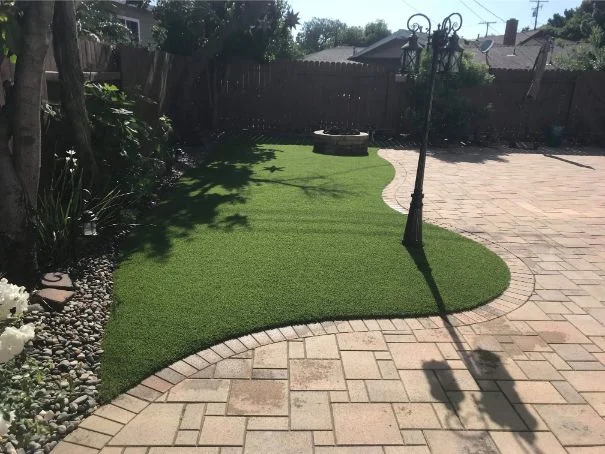
Are you tired of mowing, watering, and constantly maintaining your natural grass? Synthetic grass might be the perfect solution for you. It’s eco-friendly, always looks great, and requires minimal upkeep. In this guide, we’ll walk you through the process of how to install synthetic grass, so you can enjoy a beautiful lawn year-round.
Why Choose Synthetic Grass?
Before we dive into the installation process, let’s look at some reasons why synthetic grass is becoming increasingly popular :
- Low maintenance – no mowing, watering, or fertilizing required
- Environmentally friendly – saves water and eliminates the need for pesticides
- Durable – can withstand heavy foot traffic and harsh weather conditions
- Pet-friendly – easy to clean and resistant to digging
- Cost-effective in the long run – no need for lawn care equipment or services
Preparing for Your Synthetic Grass Installation
Before you start laying down your new artificial turf, you’ll need to gather some tools and materials. Here’s what you’ll need :
| Tools | Materials |
|---|---|
| • Shovel • Rake • Wheelbarrow • Plate compactor • Utility knife • Seam roller | • Synthetic grass • Weed barrier fabric • Crushed stone or gravel • Sand • Landscape staples • Seaming tape and adhesive |
Step-by-Step Guide : How to Install Synthetic Grass
Now that you’ve got everything you need, let’s get started with the installation process.
1. Prepare the Ground
First, you’ll need to remove any existing grass and vegetation. Dig down about 3-4 inches, ensuring the area is level. This step is crucial for a smooth, even surface.
2. Add a Base Layer
Spread a layer of crushed stone or gravel about 2-3 inches deep. Use a plate compactor to create a firm, stable base. This helps with drainage and prevents the grass from sinking over time.
3. Install Weed Barrier
Lay down weed barrier fabric over the compacted base. This prevents weeds from growing through your new synthetic lawn.
4. Roll Out the Synthetic Grass
Carefully unroll your synthetic grass, making sure it’s facing the right direction. The blades should be pointing towards your house for the most natural look. Allow the grass to acclimate and settle for a few hours before cutting.
5. Cut and Fit
Using a sharp utility knife, trim the synthetic grass to fit your lawn’s shape. Be precise with your cuts, especially around edges and obstacles.
6. Secure the Edges
Use landscape staples to secure the edges of your synthetic grass. Place them every 6-8 inches along the perimeter.
7. Seam the Pieces
If you’re covering a large area, you may need to join multiple pieces of grass. Use seaming tape and adhesive to create seamless joints between sections.
8. Add Infill
Spread a layer of sand infill over the grass. This helps weigh down the turf and keeps the blades upright. Use a push broom to work the sand into the grass fibers.
9. Brush and Finish
Finally, use a power broom or stiff brush to fluff up the grass fibers. This gives your new lawn a natural, freshly-cut appearance.
Maintaining Your New Synthetic Grass
One of the biggest perks of installing synthetic grass is its low maintenance requirements. However, there are still a few things you can do to keep it looking its best :
- Rinse occasionally to remove dust and debris
- Brush the grass to keep fibers upright
- Remove leaves and other organic matter promptly
- Address spills or pet waste quickly
Common Questions About Synthetic Grass Installation
As you embark on your synthetic grass installation journey, you might have some questions. Here are answers to some frequently asked queries :
How long does it take to install synthetic grass?
The time it takes to install synthetic grass depends on the size of your lawn and your DIY experience. For an average-sized yard, expect to spend a weekend on the project.
Is synthetic grass safe for pets and children?
Yes, most synthetic grass products are safe for pets and children. Many are designed to be non-toxic and resistant to bacteria growth.
How long does synthetic grass last?
With proper care, synthetic grass can last 15-20 years. Some high-quality products may even last longer.
Can I install synthetic grass on concrete?
Yes, you can install synthetic grass on concrete. However, you’ll need to ensure proper drainage and use a shock-absorbing pad underneath.
Installing synthetic grass might seem like a big project, but with the right tools and a bit of patience, you can transform your lawn into a low-maintenance oasis. Not only will you save time and money in the long run, but you’ll also be doing your part for the environment by reducing water usage and eliminating the need for harmful lawn chemicals.
If you’re unsure about tackling this project on your own, don’t hesitate to consult with a professional. The Synthetic Turf Council offers resources and can help you find certified turf installers in your area.
Whether you choose to DIY or hire a pro, installing synthetic grass is a great way to upgrade your outdoor space. Say goodbye to endless mowing and hello to a perfect lawn all year round !