
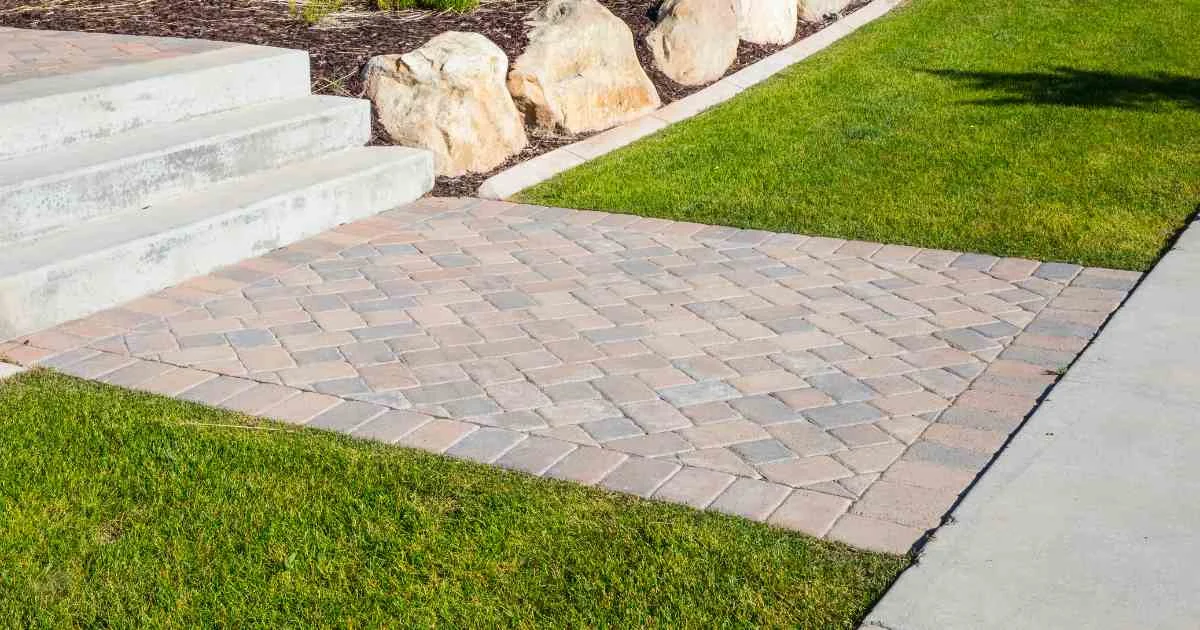
Laying pavers directly on grass might seem like a quick weekend project, but it often leads to years of frustration. Homeowners who skip proper preparation find themselves battling weeds sprouting between stones, uneven surfaces that trip guests, and pavers that shift with every rainstorm. The grass beneath continues growing, roots push upward, and organic matter decomposes, creating voids that cause your beautiful patio or walkway to sink and settle unevenly.
The good news is that with the right approach to removing grass before laying pavers and installing a proper base, you can create stable, long-lasting outdoor spaces that stay level and weed-free for decades. Even better, modern homeowners are discovering that combining professional paver installation with artificial turf eliminates grass maintenance while creating stunning outdoor living areas that look pristine year-round without mowing, edging, or constant weeding.
Why Removing Grass Before Laying Pavers Saves You Years of Maintenance
When homeowners attempt to lay pavers on grass without proper preparation, the organic material beneath creates a cascade of problems. Grass roots don’t simply die—they decompose slowly, creating air pockets and voids that cause pavers to settle unevenly.
Moisture trapped between grass and pavers creates the perfect environment for weed growth. Natural grass holds water against the underside of pavers, preventing proper drainage and keeping the area damp. This persistent moisture not only encourages weed seeds to germinate but also promotes moss and algae growth on paver surfaces. Professional paver installation on dirt—after complete grass removal—eliminates these issues by building on stable, engineered materials rather than living, decomposing vegetation.
The Hidden Cost of Skipping Proper Base Preparation
Homeowners who skip proper ground preparation face ongoing expenses that quickly exceed the cost of doing it right initially. Releveling settled pavers requires excavation and base repair, polymeric sand must be reapplied when weeds break through joints, and structural damage from water pooling can affect adjacent hardscaping and even foundation drainage systems. Professional installation with proper base preparation eliminates these recurring costs while protecting your property investment.
How to Prepare Ground for Pavers with a Base That Lasts Decades
Learning how to lay pavers on grass correctly starts with understanding that “on grass” is a misnomer—you’re actually building on compacted base materials after complete grass removal. The best base for paver patio installations starts with proper excavation depth—typically six to eight inches total to accommodate base material, leveling sand, and the pavers themselves.
- Mark and excavate your paver area: Use stakes and string to outline the space, then remove all grass, roots, and topsoil to a depth of six to eight inches. Slope the excavation approximately one inch per eight feet away from structures to ensure proper drainage and prevent water pooling against foundations.
- Install landscape fabric barrier: Lay commercial-grade landscape fabric directly on exposed soil to prevent weed growth from below while allowing water to drain through. Overlap seams by at least six inches and secure edges.
- Add and compact crushed stone base: Spread four to six inches of crushed stone or decomposed granite in two-inch lifts, compacting each layer thoroughly with a plate compactor. This base layer provides structural support and drainage capacity.
- Apply leveling sand layer: Add one inch of coarse sand over the compacted stone base, screeding it level with a straight board. This sand layer allows final adjustments to achieve perfectly level pavers.
- Install edge restraints before laying pavers: Secure plastic or metal edge restraints along the perimeter to prevent pavers from spreading outward over time.
- Set pavers and fill joints: Place pavers according to your design pattern, maintaining consistent joint spacing. Sweep polymeric sand into joints, mist with water to activate binding agents, and allow to cure for a weed-resistant, stable surface.
This systematic approach to how to lay pavers on grass ensures each layer performs its intended function in the overall system. Homeowners often ask what to put under pavers instead of sand, and the answer is that sand serves only as a thin leveling layer—the real structural support comes from four to six inches of compacted crushed stone beneath it. This layered approach—building pavers where grass used to be rather than on top of it—creates an engineered system that handles Southern California’s soil conditions, seasonal temperature swings, and occasional heavy rains without settling or shifting.
| Installation Step | Common DIY Mistake | Professional Approach |
|---|---|---|
| Grass Removal | Laying pavers directly on grass or removing only surface growth | Complete excavation of grass, roots, and 6-8 inches of soil |
| Base Material | Using sand alone as primary base layer | 4-6 inches compacted crushed stone with 1-inch sand leveling layer |
| Compaction | Hand-tamping or skipping compaction entirely | Plate compactor used on each 2-inch lift of base material |
| Edge Restraint | No edge restraint or using landscape timbers | Commercial-grade plastic or metal edge restraints secured with spikes |
Paver and Turf Combination Designs That Eliminate Yard Work Forever
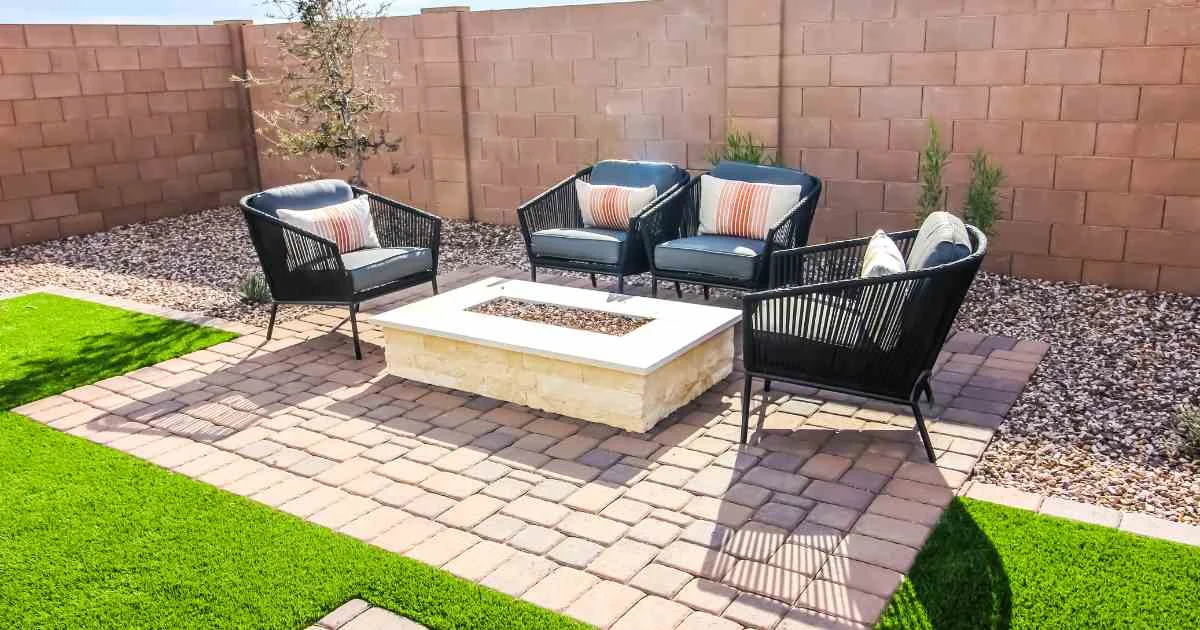
For homeowners researching how to lay pavers on grass who want to eliminate future maintenance, combining a paver patio with artificial grass surroundings represents the ultimate solution. Modern paver and turf combination designs have transformed how homeowners approach outdoor living spaces, merging the durability of hardscaping with the visual appeal of greenery. This design approach uses pavers for high-traffic areas like patios, fire pit surrounds, and main walkways while artificial turf covers the remaining yard space. The result eliminates mowing, edging, fertilizing, and the constant battle with weeds growing between pavers and natural grass.
These integrated installations offer remarkable flexibility for creating distinct outdoor zones. A paver patio provides stable footing for furniture and grills, stepping stone paths through artificial turf create visual interest without requiring maintenance, and turf borders around fire pits remain green and comfortable for seating without the mud and dead spots that natural grass develops in high-use areas. From straight paths to curved routes, paver walkway ideas for backyard spaces are limited only by your imagination when artificial turf eliminates the edging and maintenance concerns of natural grass borders.
| Design Element | Maintenance with Natural Grass | Maintenance with Artificial Turf |
|---|---|---|
| Paver Patio Borders | Weekly edging required to prevent grass invasion into joints | Zero edging—clean lines stay permanent |
| Stepping Stone Pathways | Constant weeding between stones and mowing around irregular shapes | Occasional rinsing only—no growth between pavers |
| Fire Pit Surrounds | Dead grass from foot traffic and heat requires reseeding | Synthetic turf stays green and comfortable year-round |
| Water Requirements | Irrigation system needed for grass health | Zero irrigation—significant water savings |
Water Conservation Benefits for Southern California Homeowners
Replacing natural grass with artificial turf around paver installations delivers significant water savings—particularly important in Orange County communities facing ongoing drought conditions and water restrictions. A typical 1,000-square-foot lawn requires approximately 50,000 gallons of water annually, while synthetic turf needs only occasional rinsing. Combined with permeable paver installations that allow rainwater infiltration, these designs support sustainable landscaping goals without sacrificing aesthetic appeal.
Laying the Groundwork for Your Dream Outdoor Space with Go Turf Artificial Grass and Pavers
Understanding the proper approach to how to lay pavers on grass starts with recognizing what the process really means: removing that grass completely and building a proper base. This foundation work creates outdoor living spaces that remain beautiful and functional for decades. The investment in doing it right the first time eliminates years of maintenance frustration and costly repairs.
For homeowners throughout Orange County who want to take their outdoor spaces to the next level, Go Turf Artificial Grass and Pavers specializes in integrated paver and artificial turf installations that eliminate maintenance while creating stunning outdoor living areas. Our owner-operated approach means you work directly with experienced professionals who understand local soil conditions, drainage requirements, and design trends—no call centers, no pressure, just honest guidance and quality craftsmanship. Contact Go Turf Artificial Grass and Pavers today to schedule a consultation and discover how professional paver and turf installation can transform your yard into a zero-maintenance outdoor oasis that stays pristine year-round.
FAQs
Homeowners throughout Orange County ask these common questions about proper paver installation and base preparation.
1. Can you lay pavers directly on grass without removing it?
While you can place pavers on grass for temporary pathways, anyone asking how to lay pavers on grass for permanent installations must understand this approach fails within months. Pavers laid directly on grass will shift, sink, and allow persistent weed growth through joints. Proper installation requires complete grass removal and a compacted crushed stone base for long-term stability and weed prevention.
2. What is the best base material to put under pavers for maximum stability?
A four-to-six-inch layer of crushed stone or decomposed granite topped with one inch of leveling sand creates the most stable base for paver installations. The crushed stone provides structural support and drainage capacity, while the sand layer allows final leveling adjustments before setting pavers. This combination outperforms sand-only bases significantly.
3. How deep do you need to dig when installing pavers where grass currently grows?
When learning how to lay pavers on grass, excavate six to eight inches total depth to accommodate all base layers and the pavers themselves. This includes four to six inches for crushed stone base, one inch for leveling sand, plus the thickness of your chosen pavers. Proper excavation depth ensures the finished paver surface sits at the desired height relative to surrounding landscape features.
4. Do I need landscape fabric under pavers to prevent weed growth?
Yes, commercial-grade landscape fabric placed directly on soil before adding base material significantly reduces weed growth from below while maintaining water drainage. It creates a barrier between organic soil and your stone base, preventing seeds and roots from reaching the surface. This simple addition dramatically reduces long-term maintenance requirements for any paver installation.
5. How does artificial turf around pavers reduce maintenance compared to natural grass borders?
Artificial turf eliminates the primary maintenance challenges of paver installations: grass and weeds growing into joints, constant edging along paver borders, and irrigation overspray that creates muddy transitions. The combination of properly installed pavers with synthetic turf surrounds creates a completely weed-free, zero-mow outdoor space that stays pristine year-round without the weekly maintenance natural grass requires.