
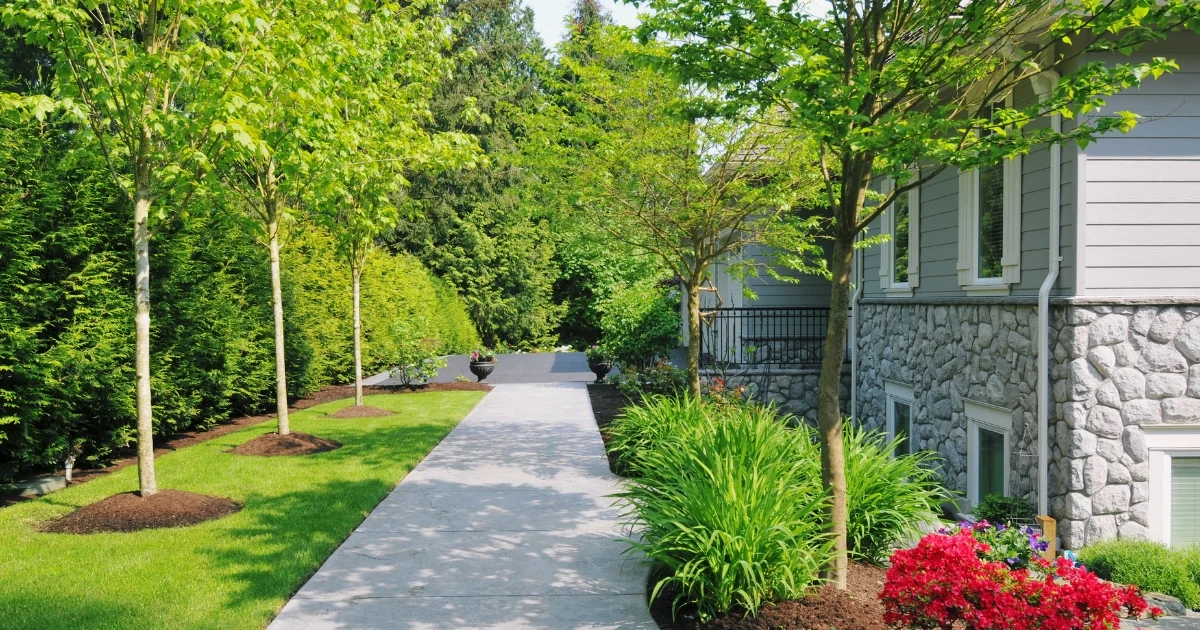
Southern California homeowners face a persistent challenge: keeping outdoor spaces beautiful while navigating strict water restrictions and year-round sun exposure. Traditional lawns demand constant watering, mowing, and maintenance that drains both time and resources. Combining synthetic turf with strategic paving offers a practical solution that eliminates these headaches while creating visually striking outdoor areas that stay green through every season.
When you explore artificial grass and paving ideas that blend synthetic turf with strategic hardscape, you unlock a low-maintenance outdoor space that conserves water, reduces utility bills, and provides functional zones for entertainment, play, and relaxation. The right combination of materials transforms even compact yards into inviting retreats that thrive in our challenging climate without the weekly upkeep traditional landscaping demands.
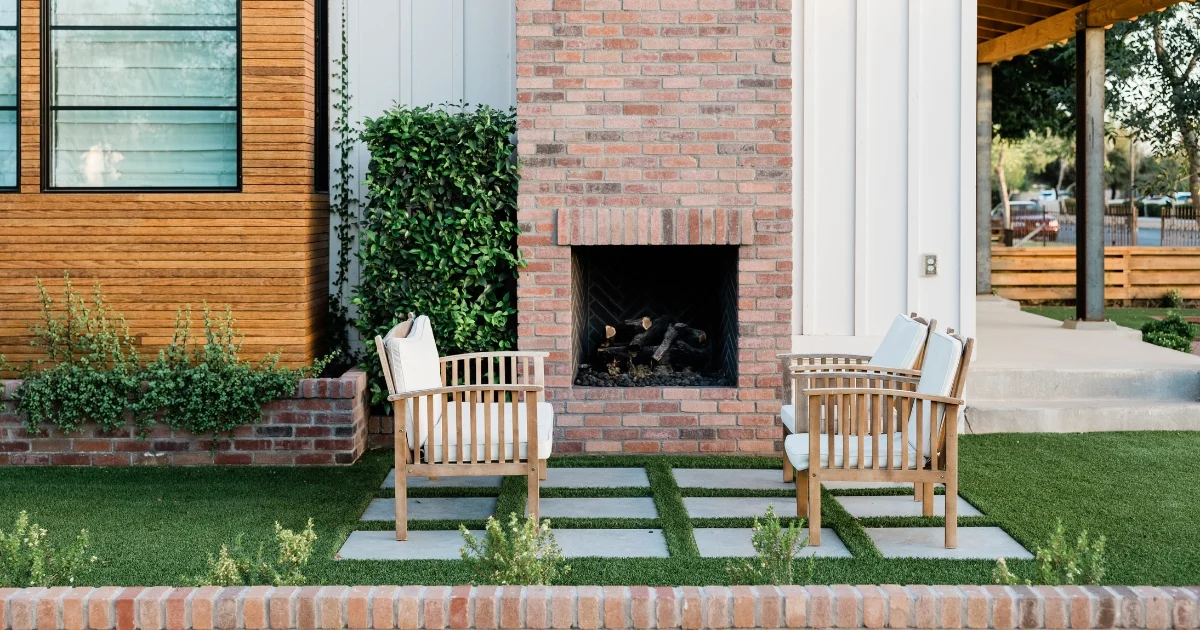
Paver and Artificial Turf Combinations for Different Yard Sizes
Small urban yards benefit from checkerboard patterns using 12×12-inch or 24×24-inch pavers alternating with turf squares. These artificial grass and paving ideas maximize visual impact in limited square footage. The paver grid provides stable pathways for foot traffic while the turf softens the overall aesthetic.
Larger properties allow for linear paver strips that create defined pathways through expansive artificial lawns. Natural stone or concrete pavers arranged in parallel or curved lines guide movement through the space while breaking up monotonous green expanses.
Border frame designs use pavers to outline turf areas, defining distinct zones while preventing edge wear. A paver perimeter creates clean lines and a polished look that increases curb appeal.
Best Materials to Pair With Synthetic Grass for Southern California Climate
Choosing the right paving materials for synthetic turf requires evaluating how different options perform under intense sun and occasional heavy rainfall. Homeowners asking what materials pair best with fake grass should prioritize heat resistance, drainage, and durability. Travertine and flagstone pavers stay cooler underfoot during summer months compared to concrete, making them ideal for pool decks and barefoot areas. These natural stones complement the organic texture of quality artificial turf.
Permeable paver systems allow proper drainage during winter storms while supporting turf edges and preventing water pooling. Permeable pavers paired with synthetic turf create effective drought-resistant landscaping with pavers that address both water conservation and visual appeal. This combination represents one of the most practical artificial grass and paving ideas for properties with drainage challenges.
Decomposed granite pathways offer cost-effective contrast to synthetic turf while maintaining a natural appearance. The fine texture and earth tones create visual separation between turf zones without the expense of cut stone, and the material compacts well for stable walking surfaces.
- Brick pavers deliver a warm, traditional aesthetic that pairs well with both modern and classic home styles while holding up well under heavy foot traffic
- Large-format porcelain tiles offer a sleek, contemporary look with extremely low water absorption, making them resistant to staining and cracking in freeze-thaw conditions
- Cobblestone and irregular fieldstone create a rustic, old-world character that contrasts beautifully with the clean, uniform appearance of synthetic turf
- Concrete pavers provide maximum durability for high-traffic zones at lower material cost
- Composite pavers resist fading and cracking under intense UV exposure better than natural stone
- Sealed vs. porous surfaces affect long-term maintenance requirements and drainage performance
Design Patterns That Maximize Curb Appeal and Functionality
Curved paver pathways through artificial turf create natural flow in rectangular yards that would otherwise feel boxy and uninviting. This approach ranks among the most popular backyard design ideas Southern California homeowners implement when connecting multiple outdoor living zones like dining areas, fire pits, and garden beds.
Geometric paver inlays within turf areas deliver modern aesthetic appeal while designating specific entertainment zones. Square or rectangular paver sections embedded in synthetic grass can define seating areas, outdoor dining spaces, or children’s play zones without requiring fencing or barriers.
Mixed-material approaches layer pavers, gravel, and synthetic grass to create depth and visual interest. A design might feature a paver patio transitioning to gravel pathways bordered by artificial turf, with each material serving distinct purposes. This strategy addresses how to design backyard with artificial lawn and stone in ways that feel intentional rather than haphazard.
| Design Pattern | Best For | Maintenance Level |
|---|---|---|
| Checkerboard Pattern | Small yards, urban spaces, side yards | Low – occasional sweeping and rinsing |
| Linear Paver Strips | Large properties, pathway definition | Low – minimal weed potential with proper base |
| Border Frame Design | High-traffic areas, pool surrounds | Very Low – edges protected from wear |
| Curved Pathways | Rectangular yards, connecting multiple zones | Low – natural drainage along curves |
Cost and Value Considerations for Combined Installations
Among these design approaches, patio paver combinations with synthetic turf typically cost less per square foot than full paver installations while delivering comparable visual impact. The turf covers larger areas at lower material cost, and installation time decreases compared to intricate full-paver patterns. This approach stretches budgets further while achieving the desired outdoor aesthetic.
Property value increases when outdoor spaces transition from maintenance-intensive traditional landscaping to attractive low-maintenance paving and lawn alternatives. Well-designed combinations appeal strongly to buyers seeking move-in-ready homes without landscaping projects.
Long-term maintenance costs favor synthetic turf and paver combinations. Eliminating weekly mowing, fertilizing, and irrigation repairs reduces annual expenses significantly.
| Cost Factor | Traditional Landscape | Turf and Paver Combination |
|---|---|---|
| Initial Installation | Moderate – sod, irrigation, basic hardscape | Higher upfront but no irrigation system needed |
| Annual Water Costs | High – continuous irrigation required | Minimal – occasional rinsing only |
| Maintenance Labor | Weekly mowing, edging, fertilizing | Occasional sweeping and brushing |
| Replacement Timeline | Ongoing – reseeding, replanting | 15-20 years for turf, decades for pavers |
Pet and Family-Friendly Design Adaptations
Families with dogs benefit from specific turf and paver patterns for small yards that accommodate pet activity while maintaining cleanliness. Designated paver areas near doors provide mudroom-style zones where pets can shake off before entering homes, while artificial grass sections offer comfortable play areas that drain quickly and resist odor when properly maintained.
Children’s play areas work well with softer artificial grass varieties surrounded by paver borders that define boundaries and provide stable surfaces for play equipment. The turf cushions falls better than hardscape alone, while the pavers create clean transitions to other yard zones. Many families researching artificial grass and paving ideas choose this configuration for safe, attractive play spaces that require minimal upkeep.
Pet waste management becomes simpler with artificial turf installation between pavers designed for drainage and antimicrobial properties. Regular rinsing keeps surfaces fresh, and the paver sections provide areas for waste stations or cleaning supplies.
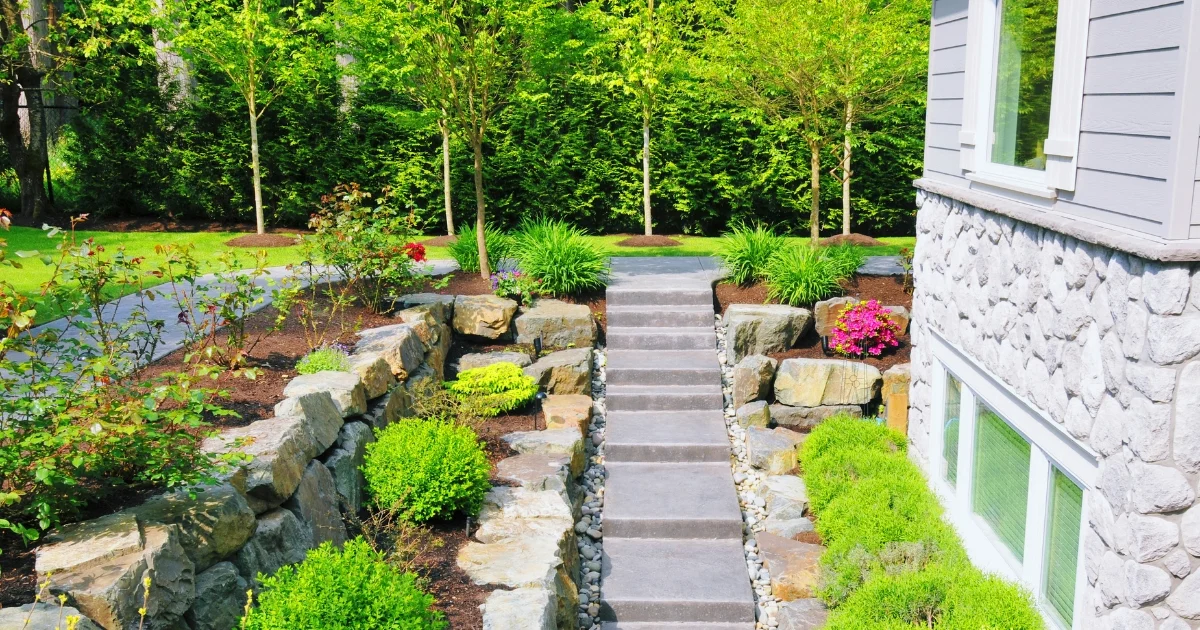
Transform Your Outdoor Space With Go Turf Artificial Grass and Pavers
Transforming your outdoor space with artificial grass and paving ideas requires expertise in both materials and Southern California’s unique climate challenges. Go Turf Artificial Grass and Pavers brings decades of experience designing and installing custom solutions throughout Orange County and surrounding communities.
Our team understands how to pair materials for optimal performance in intense sun, occasional heavy rain, and the demanding conditions our region presents. We design spaces that fit your lifestyle, budget, and property with honest guidance from local professionals who stand behind every installation. Contact us today to discuss how we can transform your yard into a stunning, low-maintenance outdoor retreat that stays beautiful year-round.
FAQs
Here are answers to the most common questions homeowners ask when planning backyard design ideas Southern California residents implement with synthetic turf and hardscape.
1. Can you install artificial turf between existing pavers?
Yes, artificial grass can be installed between pavers as long as there is adequate base preparation and drainage in place. The turf must be cut precisely to fit between pavers with proper edging to prevent shifting over time. Professional installation ensures the base is properly compacted and that water drains efficiently through both materials without creating pooling or erosion issues.
2. What paver pattern works best for small Southern California yards?
Checkerboard or linear strip patterns work best for small yards because they create visual length without overwhelming the space. Lighter-colored pavers also reflect heat better in our climate while making compact areas feel larger. These patterns provide functional pathways while maximizing the softness and visual appeal that artificial grass brings to limited square footage.
3. How do you prevent weeds from growing between pavers and artificial turf?
Proper installation includes commercial-grade weed barrier fabric beneath both the turf and pavers, plus polymeric sand or jointing compound between pavers. Quality artificial grass installations also include antimicrobial infill that discourages weed growth. Correct installation with adequate overlap and proper compaction makes weed prevention highly effective for years without chemical treatments.
4. Which costs more: a full paver patio or a paver-turf combination?
Paver-turf combinations typically cost significantly less than full paver installations because artificial grass covers more area at lower material cost. The combination also reduces labor time compared to intricate full-paver patterns. While quality synthetic turf represents an investment, the overall project budget usually comes in lower than comparable full-hardscape designs while delivering similar visual impact and greater functionality.
5. Do paver and turf combinations require special maintenance?
Maintenance is minimal and straightforward—occasional sweeping of pavers, rinsing turf with water, and brushing high-traffic areas to keep fibers upright. The paver edges actually protect turf borders from wear, while turf eliminates weeds that typically grow between pavers in traditional landscapes. This combination requires far less time and expense than maintaining natural grass with traditional hardscaping, making it ideal for busy homeowners who want beautiful outdoor spaces without weekend maintenance demands.