
What is Artificial Turf?
- Pros and Cons of Artificial Turf for Dogs
- Pros of Artificial Turf
- Low Maintenance
- Durability
- Allergen Reduction
- Cons of Artificial Turf
- Heat Retention
- Potential Toxins
- Initial Cost
- Pros of Artificial Turf
- Health Implications for Dogs
- Paw Safety
- Hygiene Considerations
- Potential Allergies
- How to Choose the Right Artificial Turf for Dogs
- Material Considerations
- Softness and Comfort
- Drainage and Cleaning Features
- Installation and Maintenance Tips
- Proper Installation Techniques
- Regular Cleaning and Sanitizing
- Repairing Wear and Tear
- Real-life Experiences and Testimonials
- Dog Owner Reviews
- Veterinarian Recommendations
- Comparing Artificial Turf to Natural Grass
- Cost Comparison
- Maintenance Efforts
- Environmental Impact
Introduction
Imagine a lush, green lawn that stays perfect regardless of weather, wear, or doggy playtime. Sounds too good to be true? Welcome to the world of artificial turf. But before diving headfirst into this seemingly perfect solution, it’s essential to ask: Is artificial turf ok for dogs? This question is pertinent for pet owners eager to balance aesthetics with the safety and comfort of their furry friends.
Artificial turf has evolved significantly over the years, offering a myriad of benefits that cater specifically to pet owners. However, like any product, it also comes with its drawbacks. In this article, we’ll explore the pros and cons of artificial turf for dogs, delve into health implications, and provide expert tips on selecting and maintaining the best turf for your canine companions.
For instance, if you’re in Anaheim or Mission Viejo, you might find specialized dog turf solutions that could make a significant difference in your pet’s outdoor experience.
So, let’s embark on this journey to uncover whether artificial turf is the right choice for your beloved pets.
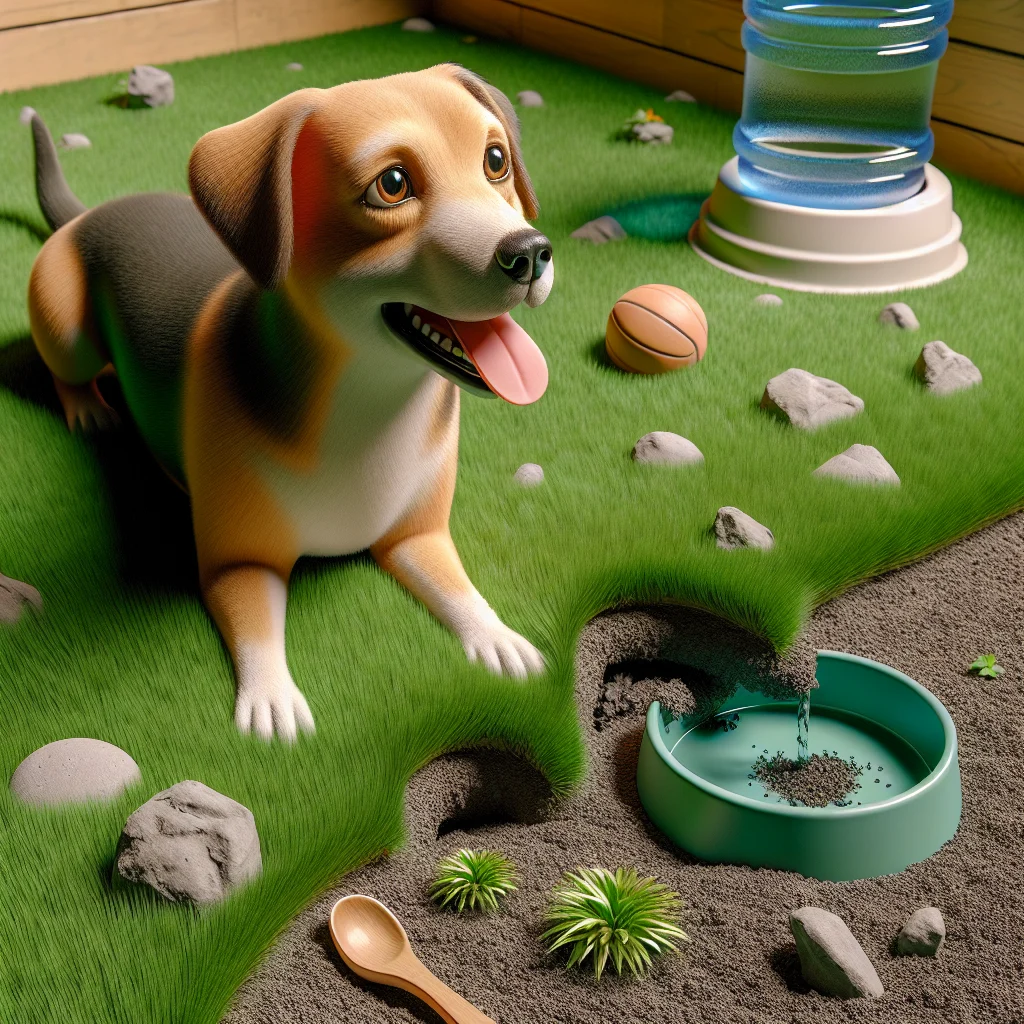
What is Artificial Turf?
Artificial turf, often referred to as synthetic grass, is a man-made surface designed to mimic the appearance and feel of natural grass. It is crafted from synthetic fibers, usually polyethylene or polypropylene, which are woven into a backing material to create a durable and resilient surface. The concept of artificial turf isn’t new; it was first introduced in the 1960s for use in sports arenas and has since evolved to cater to a variety of applications, including residential lawns, commercial landscapes, and pet-friendly spaces.
The advancements in technology have significantly improved the quality and functionality of artificial turf. Modern versions boast features such as UV resistance to prevent fading, antimicrobial properties to reduce odors, and efficient drainage systems to handle pet waste and rainwater. For those living in areas like Rancho Santa Margarita, these innovations can be particularly beneficial, ensuring that your lawn remains pristine and hygienic.
But what does this mean for dog owners? Essentially, artificial turf offers a low-maintenance, year-round green space for your pets to enjoy, without the common issues of muddy paws or patchy grass. However, it’s crucial to weigh the pros and cons, which we will delve into next, to determine if it’s the right fit for your furry friends.
For a deeper understanding of the types of artificial grass and their specific features, you might want to explore what thickness of artificial grass is best for your particular needs.
Pros and Cons of Artificial Turf for Dogs
When considering artificial turf for your dog, it’s essential to weigh the benefits and drawbacks to make an informed decision. Let’s break down both sides of the coin:
Pros of Artificial Turf
Low Maintenance
Artificial turf requires minimal upkeep compared to natural grass. Say goodbye to mowing, watering, and fertilizing. This low-maintenance option is ideal for busy pet owners who want a beautiful lawn without the hassle.
Durability
Dogs love to run, dig, and play, which can quickly ruin natural grass. Artificial turf, on the other hand, is designed to withstand heavy use, ensuring your lawn remains lush and green regardless of your pet’s activities.
Allergen Reduction
Natural grass can harbor allergens that may affect both pets and humans. Artificial turf eliminates this concern, providing a hypoallergenic environment that can help reduce itchy eyes and sneezing for everyone in the household.
Cons of Artificial Turf
Heat Retention
Artificial turf can become quite hot under direct sunlight, posing a risk to your dog’s paws. It’s important to provide shaded areas or use cooling measures to ensure your pet’s comfort during warm weather.
Potential Toxins
Some artificial turfs may contain chemicals that could be harmful to pets. Always opt for high-quality, non-toxic materials to safeguard your dog’s health. EPA’s synthetic turf research provides comprehensive insights into safe materials used in artificial turf.
Initial Cost
While artificial turf can save money in the long run due to reduced maintenance needs, the initial installation cost can be higher than natural grass. It’s an investment that requires careful consideration and planning.
Understanding these pros and cons can help you evaluate whether artificial turf is a suitable choice for your dog’s play area. If you’re located in Yorba Linda or Costa Mesa, you might find tailored solutions that address both the benefits and challenges mentioned.
Next, let’s dive into the health implications of artificial turf for dogs, ensuring that your furry friends stay safe and happy in their new environment.
Health Implications for Dogs
When it comes to your dog’s health, understanding the implications of artificial turf is crucial. Here are some key aspects to consider:
Paw Safety
Artificial turf, while durable, can sometimes be rough on your dog’s paws. Ensuring you choose a high-quality product with a soft texture can mitigate this issue. Additionally, during hot weather, artificial turf can retain heat, potentially causing burns or discomfort. To avoid this, consider providing shaded areas or using a sprinkler system to cool the surface.
Hygiene Considerations
Maintaining hygiene is paramount for your pet’s health. Artificial turf can be easier to clean than natural grass, as it typically has efficient drainage systems. Regularly rinsing the turf and using pet-safe disinfectants can help keep it sanitary. For those in Rancho Santa Margarita, proper maintenance ensures a clean and safe play area for your pets.
Potential Allergies
Some dogs may have allergies to certain materials used in artificial turf. It’s essential to choose non-toxic, hypoallergenic options to reduce the risk of allergic reactions. Always monitor your dog for any signs of discomfort or allergies and consult your veterinarian if needed. Reliable resources like the ASPCA’s list of pet toxins can provide further guidance on safe materials.
By considering these health implications, you can create a safe and comfortable environment for your furry friend. Next, we’ll explore how to choose the right artificial turf for dogs, ensuring a perfect balance of comfort, safety, and durability.
How to Choose the Right Artificial Turf for Dogs
Choosing the right artificial turf for your dog involves more than just picking the first option you see. Here are some critical factors to consider:
Material Considerations
Not all artificial turfs are created equal. Look for products made from non-toxic, pet-safe materials. Polyethylene and polypropylene are commonly used due to their durability and safety. Avoid turfs that contain harmful chemicals, which could pose health risks to your dog.
Softness and Comfort
Your dog’s comfort is paramount. Opt for turf that mimics the softness of natural grass. This ensures that your pet can play and rest without discomfort. High-quality artificial turf should have a soft texture to prevent any irritation to your dog’s paws and skin.
Drainage and Cleaning Features
Effective drainage is essential to keep the turf clean and dry. Look for turf with efficient drainage systems that allow urine and rainwater to pass through easily. This feature not only keeps the turf hygienic but also makes cleaning a breeze. Regular rinsing and occasional deep cleaning can help maintain a sanitary environment.
For residents of Anaheim or nearby areas, tailored solutions are available that cater to these specific needs, ensuring your artificial turf is both functional and comfortable for your pets.
By considering these factors, you can select the best artificial turf for your dogs, ensuring they have a safe, comfortable, and enjoyable outdoor experience. Next, we’ll share some practical tips on installation and maintenance to keep your pet-friendly turf in top condition.
Installation and Maintenance Tips
Proper installation and diligent maintenance are crucial to maximizing the benefits of artificial turf for your pets. Let’s explore some essential tips to ensure your turf remains in excellent condition:
Proper Installation Techniques
Correct installation is the foundation of a durable and functional artificial turf. Ensure that the ground is well-prepared, with a smooth and even surface. Installing a good quality underlay can improve comfort and drainage. Professional installation is often recommended to guarantee a seamless and secure fit, especially in areas like Costa Mesa, where local experts can provide tailored solutions.
Regular Cleaning and Sanitizing
Maintaining hygiene is key to your pet’s health. Regularly rinse the turf to remove dirt and pet waste. Use pet-safe disinfectants to sanitize the area, preventing any bacterial buildup. Efficient drainage systems in modern turfs make this task easier, ensuring that the surface remains clean and dry.
Repairing Wear and Tear
Despite its durability, artificial turf can experience wear and tear over time. Inspect the turf regularly for any signs of damage or loose edges. Promptly repairing these issues can extend the lifespan of your turf and maintain a safe environment for your pets. For those in Yorba Linda, local services may offer maintenance packages to keep your turf in top shape.
By following these installation and maintenance tips, you can ensure that your artificial turf remains a safe, clean, and enjoyable space for your dogs. Next, we’ll hear from real-life experiences and testimonials, providing insight into how other dog owners and veterinarians perceive the use of artificial turf.
Real-life Experiences and Testimonials
Hearing from real dog owners and veterinarians can provide valuable insights into the practicality and effectiveness of artificial turf for pets. Let’s explore some firsthand experiences and expert recommendations:
Dog Owner Reviews
Many dog owners have shared positive experiences with artificial turf, especially noting its durability and ease of maintenance. For instance, Sarah from Anaheim highlights how her once muddy backyard is now a clean and green play area for her two energetic Labradors. Similarly, John from Mission Viejo appreciates the allergen-free environment that artificial turf provides, significantly improving his dog’s comfort.
Veterinarian Recommendations
Veterinarians generally support the use of high-quality, pet-safe artificial turf. Dr. Emily Thompson, a vet in Rancho Santa Margarita, emphasizes the importance of selecting non-toxic materials and ensuring proper hygiene. She states, “Artificial turf, when chosen and maintained correctly, can provide a safe and enjoyable space for dogs, especially in urban settings where natural grass isn’t viable.”
These real-life testimonials and professional insights can guide you in making an informed decision about using artificial turf for your pets. For more localized experiences, exploring tailored solutions in areas like Yorba Linda or Costa Mesa can provide additional context and recommendations.
Next, we’ll compare artificial turf to natural grass, examining cost, maintenance, and environmental impact to help you decide the best option for your pet-friendly yard.
Comparing Artificial Turf to Natural Grass
When deciding between artificial turf and natural grass for your dog’s play area, several factors come into play. Let’s break down the key considerations:
Cost Comparison
Initially, artificial turf can be more expensive to install than natural grass. However, it’s important to consider the long-term savings. Natural grass requires regular maintenance like mowing, watering, and fertilizing, which can add up over time. In contrast, artificial turf involves a one-time installation cost and minimal upkeep, making it a cost-effective option in the long run. For residents in Rancho Santa Margarita, investing in high-quality artificial turf could be a wise financial decision.
Maintenance Efforts
Natural grass is a labor of love, requiring consistent care to remain lush and green. This includes mowing, watering, weeding, and fertilizing. On the other hand, artificial turf is virtually maintenance-free. It doesn’t grow, so there’s no need for mowing or watering. Occasional rinsing and sanitizing are usually sufficient to keep it clean, making it an ideal choice for busy pet owners. If you’re in Anaheim, opting for artificial turf can save you a significant amount of time and effort.
Environmental Impact
Natural grass has its environmental benefits, such as producing oxygen and supporting local ecosystems. However, it also requires a substantial amount of water, which can be a concern in drought-prone areas. Artificial turf, while less environmentally interactive, conserves water and eliminates the need for chemical fertilizers and pesticides. According to the EPA, reducing water usage is critical for sustainability, making artificial turf a greener choice in water-scarce regions.
By comparing these factors, you can make an informed decision about whether artificial turf or natural grass is the best option for your dog’s outdoor space. For tailored solutions and professional advice, consider exploring options in Mission Viejo or nearby areas.
Next, we’ll summarize the key takeaways to help you finalize your decision on the best turf for your furry friend.
Key Takeaways
In conclusion, choosing artificial turf for your dog’s play area involves weighing various factors to ensure it meets your pet’s needs. Here are the key takeaways:
- Low Maintenance: Artificial turf offers significant advantages in terms of low maintenance, eliminating the need for mowing, watering, and fertilizing.
- Durability: Its resilience to heavy use makes it an excellent choice for active dogs, maintaining a lush appearance throughout the year.
- Allergen Reduction: For households with allergy concerns, artificial turf provides a hypoallergenic alternative to natural grass, reducing the presence of irritants.
- Heat Retention: One of the primary drawbacks is its tendency to retain heat. Ensuring shaded areas or using cooling methods can mitigate this issue.
- Initial Cost: While the upfront installation cost may be higher, the long-term savings due to minimal maintenance can make it a cost-effective investment.
- Paw Safety and Hygiene: Selecting high-quality, soft, and non-toxic materials is crucial for your pet’s safety and comfort. Regular cleaning and sanitizing are essential to maintain hygiene.
For residents in areas like Yorba Linda or Costa Mesa, exploring local solutions can provide additional insights and tailored recommendations for your pet-friendly lawn.
Ultimately, artificial turf offers a practical and aesthetically pleasing option for dog owners, provided that the chosen product is safe, comfortable, and well-maintained. By considering these key points, you can create a delightful and secure outdoor environment for your furry friends.
Conclusion
In summary, artificial turf can be a fantastic solution for dog owners looking to maintain a beautiful, low-maintenance yard that caters specifically to their pets’ needs. With advancements in materials and technology, artificial turf now offers numerous benefits, such as durability, allergen reduction, and minimal upkeep. However, it also comes with challenges like heat retention and initial cost, which require careful consideration.
Ensuring your choice of turf is made from high-quality, non-toxic materials and is properly installed and maintained can address many of the potential downsides. For those living in areas like Anaheim or Mission Viejo, local experts can provide tailored solutions that enhance your pet’s outdoor experience.
Ultimately, the decision to switch to artificial turf should be based on a comprehensive understanding of its pros and cons, health implications for your pets, and the specific needs of your household. By doing so, you can create a safe, enjoyable, and functional outdoor environment for your furry friends, ensuring they can play and relax comfortably all year round.
For more detailed information on choosing the best artificial turf and understanding its benefits, consult resources like the ASPCA’s general dog care guidelines. This can provide additional insights and help you make an informed decision that benefits both you and your pet.