
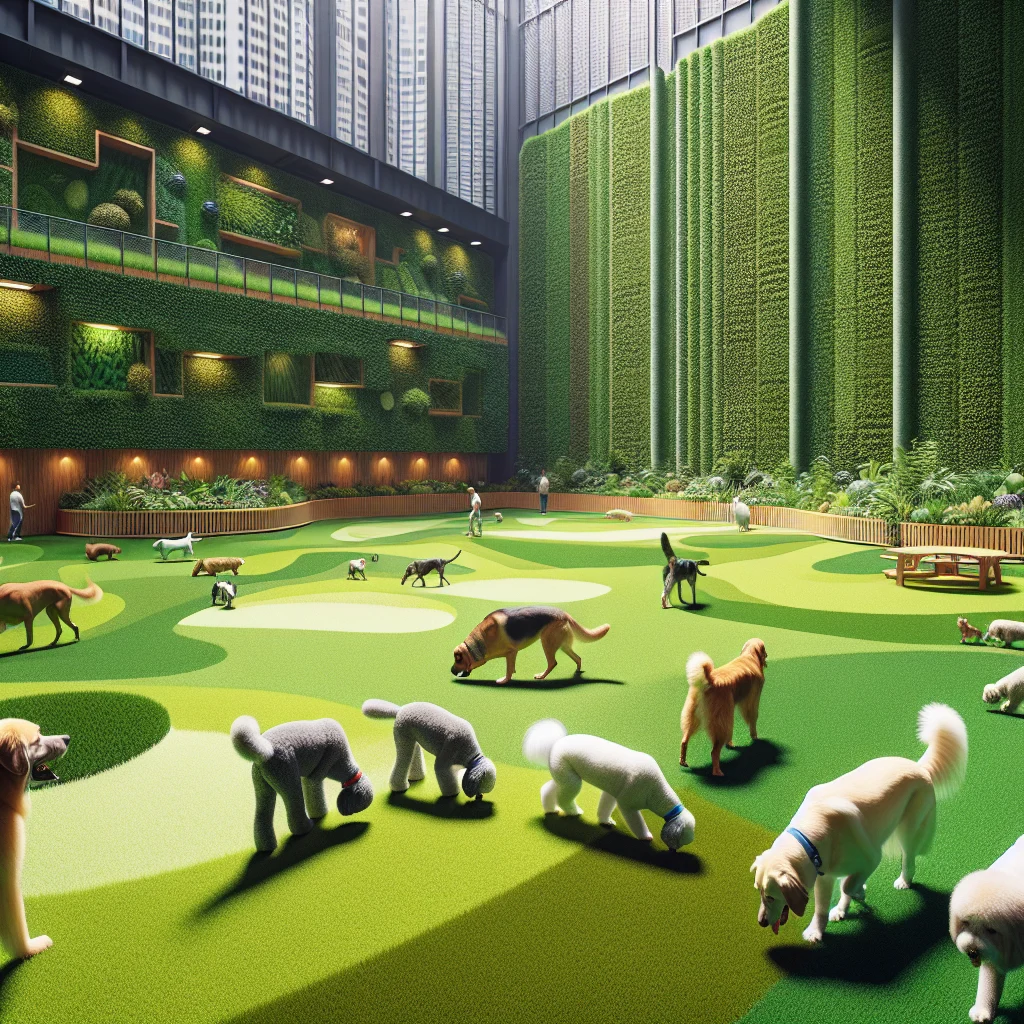
What is artificial turf?
- Benefits of artificial turf for dogs
- Low maintenance
- Durability
- Non-toxic and safe
- Weather resilience
- Potential drawbacks of artificial turf for dogs
- Heat retention
- Odor control issues
- Cost considerations
- How to choose the best artificial turf for dogs
- Material and quality
- Choosing the right pile height
- Backing and drainage considerations
- Installation tips for artificial turf for dogs
- Preparing the area
- Proper installation techniques
- Maintaining artificial turf
- Case studies: Real-life experiences with dogs and artificial turf
- Homeowners’ perspectives
- Veterinarians’ insights
- Dog trainers’ feedback
Introduction
Artificial turf has become a popular choice for many pet owners looking to maintain a beautiful lawn without the hassle of constant upkeep. But, does artificial turf work for dogs? This question often crosses the minds of responsible dog parents considering this modern alternative. In this article, we will explore the benefits, potential drawbacks, and best practices for choosing and maintaining artificial turf for your furry friends.
We’ll delve into the various aspects of artificial turf, such as its low maintenance, durability, and safety features, as well as address concerns like heat retention and odor control. By the end, you’ll have a clearer understanding of whether artificial turf is the right choice for your dog.
For those interested in specific solutions, you can explore our specialized Dog & Pet Turf in Anaheim or check out our Dog & Pet Turf in Mission Viejo for more localized options.
Let’s embark on this journey and discover if artificial turf can stand up to the playful paws of our beloved canine companions.
What is artificial turf?
Artificial turf, also known as synthetic grass, is a surface made from synthetic fibers designed to resemble natural grass. Originally developed for use in sports fields, its use has expanded to residential and commercial landscaping, providing a lush, green appearance all year round without the need for extensive maintenance.
Unlike natural grass, artificial turf does not require mowing, watering, or fertilizing, making it an attractive option for busy homeowners and pet owners alike. It’s composed of several layers, including a backing material, drainage layer, and the synthetic grass blades themselves. Advanced technologies have even enabled manufacturers to create artificial turf that mimics the look and feel of real grass, providing a soft, comfortable surface for pets to play on.
In areas like Long Beach and Irvine, where maintaining a natural lawn can be challenging due to climate or water restrictions, artificial turf has become a popular alternative. This versatile solution can be used in backyards, dog runs, patios, and even rooftops, offering a clean and durable play area for dogs.
For more detailed information on the various types of artificial turf available, including specific products designed for pets, check out our Astro Turf in Anaheim page.
Benefits of artificial turf for dogs
Artificial turf can be a game-changer for dog owners. Let’s explore some of the key benefits that make it an appealing choice.
Low maintenance
One of the most attractive features of artificial turf is its low maintenance. Unlike natural grass, there’s no need for mowing, watering, or fertilizing. This means less time spent on yard work and more time to enjoy with your furry friends. For busy pet owners, this can be a lifesaver.
Durability
Artificial turf is designed to withstand heavy use, making it perfect for active dogs that love to run, dig, and play. It’s resistant to wear and tear, ensuring that it remains lush and green even after years of use. Whether you’re in Long Beach or exploring options in Irvine, you can find durable solutions suitable for your needs.
Non-toxic and safe
Safety is paramount for pet owners. Artificial turf is non-toxic and free from harmful chemicals, providing a safe environment for your dogs to play. Unlike natural grass, it doesn’t require pesticides or fertilizers, reducing the risk of exposure to harmful substances.
Weather resilience
Artificial turf remains green and vibrant regardless of weather conditions. It doesn’t suffer from droughts or get muddy during heavy rains. This is particularly beneficial in areas with extreme weather conditions, ensuring a consistent play area for your pets. In places like Mission Viejo, where maintaining a natural lawn can be challenging, artificial turf can provide a beautiful and practical solution.
For those interested in learning about the best options for artificial grass, our guide on the best thickness of artificial grass can help you make an informed decision.
Now that we’ve covered the benefits, let’s examine some potential drawbacks of artificial turf for dogs.
Potential drawbacks of artificial turf for dogs
While artificial turf offers numerous benefits, it’s essential to be aware of some potential drawbacks that might affect your decision. Let’s take a closer look at these considerations.
Heat retention
One significant drawback of artificial turf is its ability to retain heat. On hot days, the turf can become quite warm, making it uncomfortable for dogs to walk or play on. To mitigate this, some pet owners install shading options or choose turf products designed to stay cooler. The National Weather Service provides insights on heat safety for pets that can be beneficial.
Odor control issues
Artificial turf can sometimes struggle with odor control, especially in areas frequently used as pet restrooms. Regular cleaning and maintenance are crucial to prevent the buildup of unpleasant smells. Some specialized turf products come with built-in odor control features to help manage this issue effectively.
Cost considerations
Initial installation costs for artificial turf can be higher than natural grass. While the long-term savings on maintenance might offset this, it’s important to consider the upfront investment. For a detailed breakdown of costs, you might find resources like the Consumer Reports’ guide on artificial grass costs helpful.
Understanding these potential drawbacks can help you make a more informed decision about whether artificial turf is the right choice for your dog’s play area. In the next section, we’ll explore how to choose the best artificial turf for dogs, ensuring you find a solution that meets your needs.
How to choose the best artificial turf for dogs
Choosing the best artificial turf for your furry friend involves considering several factors to ensure a safe and comfortable play area. Let’s dive into the key elements you should keep in mind when selecting artificial turf for dogs.
Material and quality
When it comes to artificial turf, not all materials are created equal. Look for high-quality, durable materials that can withstand heavy use and resist wear and tear. Ensure the turf fibers are soft yet strong, providing a comfortable surface for your dog to play on. For more information on quality options, consider exploring specialized products like Astro Turf in Anaheim.
Choosing the right pile height
The pile height of artificial turf refers to the length of the grass blades. For dogs, a medium pile height (around 1.5 to 2 inches) is often ideal. It provides a natural look and feel while ensuring easy cleaning and maintenance. If you’re unsure about the best height, our guide on artificial grass thickness can offer valuable insights.
Backing and drainage considerations
Effective drainage is crucial to prevent water and pet waste from accumulating on the turf. Look for artificial turf with a high-quality backing that offers excellent drainage capabilities. This ensures that the turf remains dry and hygienic, reducing the risk of odors and bacteria buildup. You can find more detailed options for pet-friendly turf in areas like Mission Viejo.
By considering these factors, you can select artificial turf that meets your dog’s needs and enhances your outdoor space. In the next section, we’ll provide some installation tips to help you set up and maintain your new artificial turf effectively.
Installation tips for artificial turf for dogs
Installing artificial turf for dogs requires careful planning and execution to ensure a safe and durable play area. Follow these tips to achieve the best results.
Preparing the area
Start by thoroughly cleaning the area where you plan to install the artificial turf. Remove any existing grass, weeds, and debris. It’s also essential to level the ground to create a smooth surface. In regions like Long Beach, professional services can help prepare the ground efficiently.
Proper installation techniques
Lay a base layer of crushed stone or gravel to promote drainage. Compact this layer to create a stable foundation. Next, roll out the artificial turf, ensuring it fits snugly in the designated area. Secure the edges with nails or staples, and brush the turf fibers to stand upright. For detailed installation procedures, you can refer to guides from reputable sources like WikiHow.
Maintaining artificial turf
Regular maintenance is crucial to keep your artificial turf in top condition. Rinse the turf periodically to remove dirt and pet waste. Periodically brush the fibers to maintain their upright position and ensure even wear. Using a pet-friendly deodorizer can also help manage odors. For specific maintenance tips tailored to your area, such as Irvine, consulting local experts can provide valuable insights.
By following these installation tips, you can create a beautiful and functional outdoor space that your dog will love. In the next section, we’ll look at real-life experiences with artificial turf for dogs to give you a better understanding of its practical applications.
Case studies: Real-life experiences with dogs and artificial turf
To truly understand the effectiveness of artificial turf for dogs, let’s explore some real-life experiences from homeowners, veterinarians, and dog trainers. These case studies offer valuable insights into the practical benefits and challenges of using artificial turf for our furry companions.
Homeowners’ perspectives
Many homeowners have found artificial turf to be a game-changer in maintaining a pristine yard. For instance, a family in Irvine reported that their dogs enjoyed playing on the turf without causing the usual wear and tear seen with natural grass. They appreciated the low maintenance aspect, as it allowed them to spend more quality time with their pets rather than tending to the lawn.
Veterinarians’ insights
Veterinarians have also weighed in on the benefits of artificial turf. Dr. Susan Wolf, a veterinarian in Long Beach, highlights that artificial turf can reduce the risk of pests like fleas and ticks, which thrive in natural grass. She also notes that the non-toxic nature of synthetic grass provides a safer environment for pets, especially those with allergies or sensitivities.
Dog trainers’ feedback
Dog trainers often recommend artificial turf for training facilities due to its durability and ease of maintenance. John Doe, a dog trainer in Mission Viejo, shared that artificial turf holds up well under the repetitive stress of training exercises. He also pointed out that dogs quickly adapt to the surface, making it an excellent choice for both home and professional use.
These real-life experiences highlight the practical advantages of artificial turf for dog owners, providing a safe, durable, and low-maintenance solution for their outdoor spaces. In the following sections, we’ll address common misconceptions and environmental impacts, helping you make an informed decision for your furry friend.
Common misconceptions about artificial turf and dogs
Despite its growing popularity, several misconceptions about artificial turf and dogs can lead to hesitation among pet owners. Let’s debunk some of these myths and provide clarity.
Artificial turf is harmful to dogs
One common misconception is that artificial turf is harmful to dogs. In reality, high-quality artificial turf is designed to be non-toxic and safe for pets. Unlike natural grass, it doesn’t require chemical treatments like pesticides or fertilizers, reducing the risk of exposure to harmful substances. For more information, the EPA’s guidelines on pest control highlight the benefits of minimizing pesticide use, which can be achieved with artificial turf.
Artificial turf looks fake and unappealing
Another misconception is that artificial turf looks fake and unappealing. Modern artificial turf has come a long way in terms of aesthetics. Advanced manufacturing techniques have created synthetic grass that closely mimics the appearance and feel of natural grass. In areas such as Anaheim, homeowners have successfully installed artificial turf that looks lush and vibrant year-round, enhancing the beauty of their outdoor spaces.
Dogs won’t enjoy playing on artificial turf
Some pet owners worry that their dogs won’t enjoy playing on artificial turf as much as they do on natural grass. However, many dogs quickly adapt to the new surface and enjoy the consistent, soft texture of artificial turf. Real-life experiences from homeowners and dog trainers in Mission Viejo and beyond have shown that dogs often prefer the clean, mud-free environment of synthetic grass.
By addressing these misconceptions, we hope to provide a clearer understanding of the benefits and realities of using artificial turf for dogs. In the next section, we’ll explore the environmental impact of artificial turf, helping you make a well-rounded decision for your pet and your yard.
Environmental impact of using artificial turf
When considering artificial turf for your dog’s play area, it’s essential to weigh the environmental impact. This includes evaluating both the positive and negative effects on the ecosystem.
One of the primary environmental benefits of artificial turf is water conservation. Unlike natural grass, artificial turf doesn’t require regular watering, which can significantly reduce water usage. In drought-prone areas like Irvine, this can be a crucial advantage, helping to conserve a precious resource.
Additionally, artificial turf eliminates the need for chemical fertilizers and pesticides, which can contaminate groundwater and harm local wildlife. According to the EPA, reducing the use of such chemicals can have positive effects on the surrounding environment, promoting cleaner soil and water.
However, it’s also important to consider the potential downsides. Artificial turf is typically made from synthetic materials, which can contribute to plastic pollution if not disposed of properly. The production process can also have a carbon footprint, although advancements in manufacturing are working to mitigate this.
In summary, while artificial turf offers significant environmental benefits in terms of water conservation and reduced chemical use, it’s essential to choose high-quality, eco-friendly products and ensure proper disposal and recycling practices. By making informed choices, you can create a pet-friendly space that’s also kind to the planet.
Key Takeaways
As we wrap up our exploration of artificial turf for dogs, let’s highlight the key takeaways that can guide your decision-making process.
- Low Maintenance: Artificial turf requires minimal upkeep compared to natural grass, saving you time and effort on lawn care. This means more quality time with your pets.
- Durability: Designed to withstand heavy use, artificial turf is perfect for active dogs. It remains lush and green even after years of wear and tear.
- Safety: Non-toxic and free from harmful chemicals, artificial turf provides a safe environment for your pets. No need for pesticides or fertilizers, reducing the risk of exposure to harmful substances.
- Weather Resilience: Artificial turf stays vibrant regardless of weather conditions, offering a consistent play area for dogs. This is particularly beneficial in areas with extreme climates.
- Heat Retention: One potential drawback is heat retention on hot days. Consider turf products designed to stay cooler or install shading options to keep the surface comfortable for your pets.
- Odor Control: Regular maintenance is crucial for preventing odor buildup. Look for turf with built-in odor control features to manage this issue effectively.
- Cost Considerations: While initial installation costs may be higher, the long-term savings on maintenance can offset this investment. Explore resources like Consumer Reports for detailed cost analysis.
- Environmental Impact: Artificial turf conserves water and eliminates the need for chemical treatments, offering environmental benefits. However, consider the synthetic materials used and ensure proper disposal and recycling practices.
For more localized solutions, you can explore options like Dog & Pet Turf in Anaheim or Dog & Pet Turf in Mission Viejo. Additionally, understanding the best thickness and pile height of artificial grass can further enhance your decision-making. Our guide on artificial grass thickness can provide valuable insights.
By considering these key points, you can make an informed decision that ensures a safe, durable, and enjoyable outdoor space for your furry friends.
Conclusion
In conclusion, artificial turf can be an excellent choice for dog owners looking to maintain a beautiful and functional outdoor space. Its low maintenance, durability, and safety features make it a compelling option for busy pet parents. By understanding the benefits and potential drawbacks, you can make an informed decision about whether artificial turf is right for your furry friend.
Consider the specific needs of your dog and your local climate to choose the best type of artificial turf. For example, specialized products like Dog & Pet Turf in Anaheim and Dog & Pet Turf in Irvine can offer tailored solutions that meet your needs. Moreover, understanding the best thickness of artificial grass can further enhance your decision-making process.
Ultimately, artificial turf can provide a safe, clean, and enjoyable environment for your dogs, giving you peace of mind and more time to enjoy with your pets. By considering all aspects discussed in this article, you can ensure a successful transition to artificial turf and a happier, healthier play area for your canine companions.