
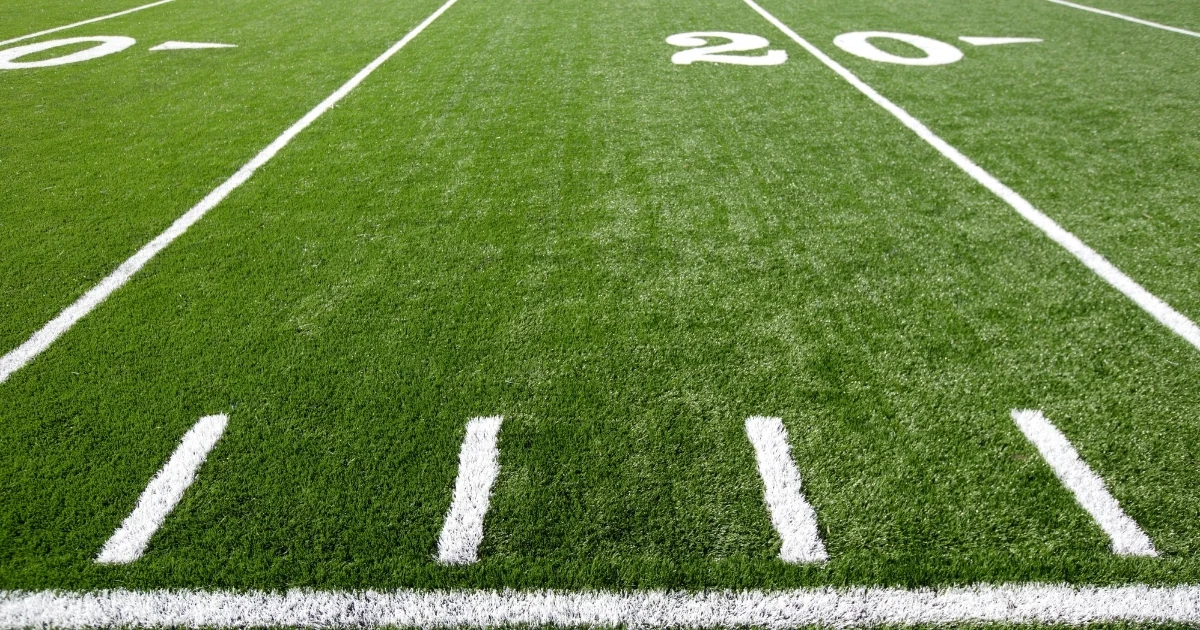
Athletic facilities across Southern California face a constant battle against extreme heat, water restrictions, and the demand for year-round playability. Natural grass fields struggle to maintain quality under intense sun exposure and heavy use, often leaving schools and recreation departments with brown, patched surfaces that limit scheduling and disappoint athletes. Modern sports turf offers a proven solution that delivers consistent performance regardless of weather conditions while dramatically reducing water consumption and maintenance demands.
Professional installations have evolved significantly over the past decade, incorporating advanced cooling technologies, improved drainage systems, and sport-specific engineering that addresses the unique challenges of hot, dry climates. From youth soccer leagues in Orange County to high school football programs in the Inland Empire, facilities are discovering that the right artificial surface investment pays dividends in extended field availability, lower operating costs, and safer playing conditions throughout California’s demanding climate.
Why Athletic Field Turf Installation Outperforms Natural Grass in Hot & Dry Climates
Water conservation represents one of the most compelling reasons Southern California facilities choose athletic field turf installation over traditional grass. A single natural grass field can consume hundreds of thousands of gallons of water annually just to maintain playable conditions, while synthetic alternatives require zero irrigation after installation. This reduction aligns with regional conservation mandates and delivers substantial cost savings as water rates climb.
Maximizing Field Usage and Revenue Potential
Year-round sports turf playability transforms facility scheduling capabilities and revenue potential. Natural grass fields typically require 24 to 48 hours of recovery time between heavy use periods and become unplayable during wet weather or extreme heat stress. Synthetic surfaces accommodate back-to-back games, practices, and community events without deterioration. Many facilities report dramatically increasing their usable field time after switching from natural grass to synthetic surfaces, enabling expanded programming and rental income opportunities.
| Performance Factor | Natural Grass | Synthetic Turf |
|---|---|---|
| Weekly Usage Capacity | 15-25 hours | 60-80 hours |
| Annual Water Consumption | Hundreds of thousands of gallons | Minimal (cleaning only) |
| Weather-Related Closures | 10-20 days annually | Zero |
| Surface Consistency | Variable, degrades with use | Uniform throughout season |
How to Choose Sports Field Turf for Multi-Sport Facilities and Specific Athletics
Choosing the right sports field turf for your facility means evaluating several technical specifications that directly impact performance, safety, and longevity. The question of how to choose sports field turf comes down to pile height, infill type, drainage capacity, and climate-specific features. Pile height, measured in inches, determines how the surface responds to athletic movements and equipment interaction. Shorter pile heights — around 1.5 inches — work well for multi-sport fields where soccer, lacrosse, and field hockey share the same surface. Taller pile heights approaching 2.5 inches better suit dedicated football applications where players need optimal traction for cutting movements and tackles.
Key selection criteria for athletic facilities include:
- Drainage capacity rated in inches per hour, with a minimum of 30 inches per hour recommended for Southern California’s occasional heavy rainfall
- UV stabilization ratings that prevent fiber degradation under intense sun exposure common in Anaheim, Mission Viejo, and surrounding communities
- Infill composition options ranging from traditional crumb rubber to organic alternatives like cork or coconut, each offering different performance characteristics
- Shock absorption ratings certified by independent testing organizations to ensure appropriate impact protection for intended sports
- Fiber construction including monofilament versus slit-film designs that affect durability and playing characteristics
- Cooling technologies such as reflective pigments or specialized infill materials that reduce surface temperatures by significant margins
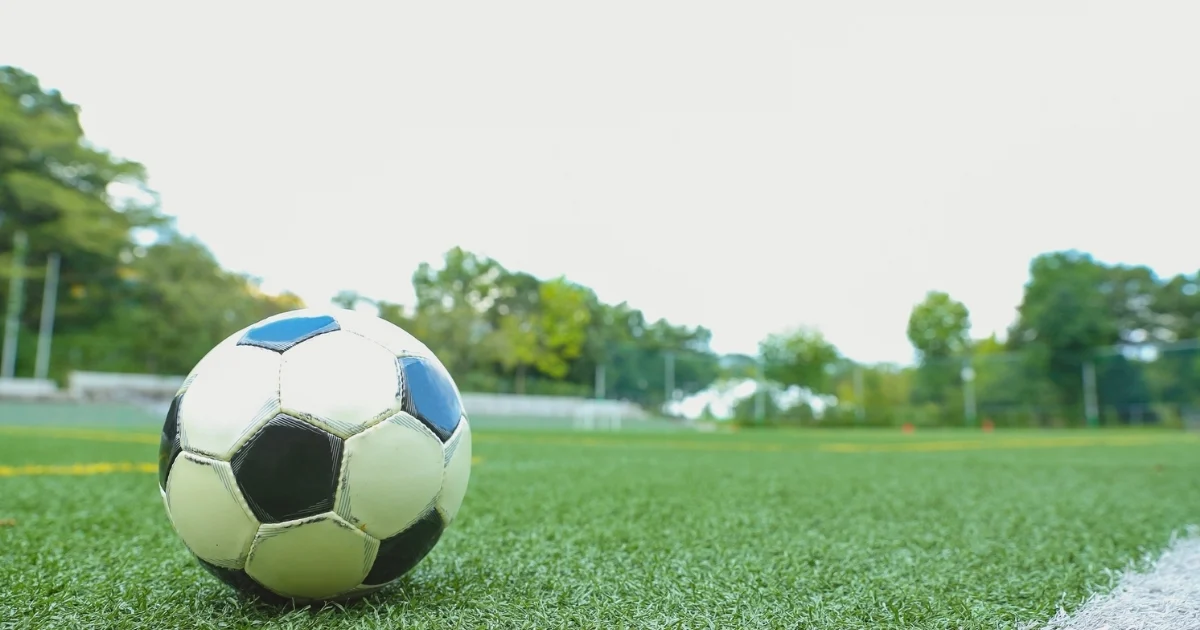
The distinction between artificial grass for soccer fields and best turf for football fields centers on player interaction patterns and equipment requirements. Soccer demands consistent ball roll and predictable bounce characteristics across the entire playing surface, favoring shorter, denser fiber configurations. Football prioritizes traction for rapid direction changes and adequate cushioning for tackles, requiring longer pile heights with specific infill depths. Multi-sport artificial turf systems strike a middle ground, accommodating various athletics with some compromise in sport-specific optimization.
Climate-Specific Features for Hot & Dry Environments
Southern California’s climate demands that sports turf installations include particular attention to heat management technologies. Surface temperatures on older-generation synthetic fields can exceed 160 degrees Fahrenheit on summer afternoons, creating unsafe conditions and limiting usable hours. Modern installations address this challenge through multiple approaches: heat-reflective fiber coatings that deflect solar radiation, organic infill materials that retain less heat than rubber alternatives, and lighter color schemes that absorb less thermal energy. Some manufacturers report significant temperature reductions compared to conventional products, extending safe playing windows during hot months.
Understanding Synthetic Turf Maintenance Costs and Long-Term Field Performance
Realistic financial planning requires understanding both initial investment and ongoing synthetic turf maintenance costs over the system’s lifespan. While sports turf installation expenses typically range from $5 to $12 per square foot depending on specifications and site preparation needs, the total cost of ownership calculation must account for annual maintenance requirements, periodic infill replenishment, and eventual replacement timelines.
Annual maintenance expenses for properly managed athletic fields generally fall between $5,000 and $15,000, covering regular grooming, infill redistribution, seam repairs, and deep cleaning services. Synthetic turf maintenance typically costs significantly less annually than natural grass — often 50 to 70 percent lower in comparable facilities. Most facilities spend $5,000 to $15,000 yearly on turf maintenance versus $25,000 to $50,000 or more for comparable natural grass fields. Over a typical 10-year lifespan, synthetic surfaces deliver substantial savings despite higher upfront costs, particularly when accounting for increased field availability that generates additional programming revenue.
What is infill for sports fields? Understanding this proves essential for maintenance planning and budget accuracy. Infill consists of granular materials distributed between turf fibers to provide weight, stability, and performance characteristics. Common infill types include crumb rubber, coated rubber products, sand, organic materials like cork or coconut, and specialized performance blends. Each material type requires different maintenance approaches and replacement schedules, directly impacting long-term costs.
| Maintenance Activity | Frequency | Annual Cost Range |
|---|---|---|
| Routine Grooming and Brushing | Weekly to bi-weekly | $2,000-$4,000 |
| Infill Redistribution and Leveling | Monthly | $1,500-$3,000 |
| Deep Cleaning and Sanitization | Quarterly | $1,000-$2,500 |
| Infill Replenishment | Every 2-3 years | $3,000-$8,000 |
| Seam and Panel Repairs | As needed | $500-$2,000 |
Infill migration represents the primary maintenance challenge for heavily used fields. High-traffic areas like goal mouths, midfield zones, and sidelines experience faster infill displacement, requiring regular redistribution to maintain consistent playing characteristics and prevent premature fiber wear. Facilities that neglect systematic grooming schedules often face accelerated deterioration and reduced system lifespan, ultimately increasing total ownership costs despite attempting to save on maintenance expenses.
Professional Maintenance vs. In-House Management
Professional maintenance contracts typically deliver better long-term value than in-house management for most facilities. Specialized equipment including power brooms, infill groomers, and deep cleaning machines represent significant capital investments. Trained technicians also identify emerging issues before they escalate into costly repairs, protecting the substantial initial investment in field installation.
Field Your Best Team with Professional Sports Turf Solutions at Go Turf Artificial Grass & Pavers
Selecting the right synthetic field system for your athletic facility requires balancing performance requirements, budget constraints, and long-term operational goals. Go Turf Artificial Grass & Pavers brings decades of experience helping Southern California schools, municipalities, and private facilities navigate these decisions with transparent guidance and climate-appropriate solutions. Our team designs installations that deliver consistent performance in Southern California’s hot, dry climate. Whether you’re planning a new multi-sport complex in Huntington Beach or upgrading an existing football field in Orange County, we provide honest assessments and realistic project timelines without pressure or gimmicks. Contact the owner-operated team at Go Turf Artificial Grass & Pavers today to schedule a site evaluation and discover how the right synthetic surface investment can transform your facility’s capabilities and financial performance.
FAQs
Athletic directors and facility managers often have similar questions when evaluating synthetic field installations. Here are answers to the most common concerns about performance, costs, and maintenance requirements.
1. How long does sports turf last on high-traffic athletic fields?
Professional-grade athletic turf typically lasts eight to 12 years with proper maintenance, even under heavy use. Fields used for multiple sports or year-round play may see 10-plus years of performance when regularly groomed and maintained according to manufacturer specifications.
2. What are the real synthetic turf maintenance costs compared to natural grass?
Synthetic turf maintenance runs considerably cheaper year over year than natural grass — comparable facilities typically see savings of 50 to 70 percent. Annual upkeep for turf generally falls between $5,000 and $15,000, while natural grass fields of similar size often run $25,000 to $50,000 or more.
3. Can the same artificial turf work for both soccer fields and football fields?
Yes, multi-sport artificial turf systems are specifically engineered for multiple athletics, though sport-specific turf optimizes performance. Multi-sport fields use medium pile heights around 1.5 to 2 inches and versatile infill that balances the traction needs of soccer with the impact absorption required for football.
4. How does sports turf handle Southern California heat without burning players?
Modern professional-grade athletic turf incorporates cooling technologies like heat-reflective fibers, specialized infill materials including organic or coated options, and advanced drainage systems. These features can reduce surface temperatures significantly compared to older generation turf products — in some cases by 20-40°F.
5. What type of infill is best for youth sports facilities versus professional fields?
Youth facilities often benefit from organic infill options such as cork or coconut, or coated rubber that provides excellent shock absorption and lower temperatures. Professional fields may use performance infill systems optimized for specific sports, with higher durability for intensive training schedules and competitive play demands.