
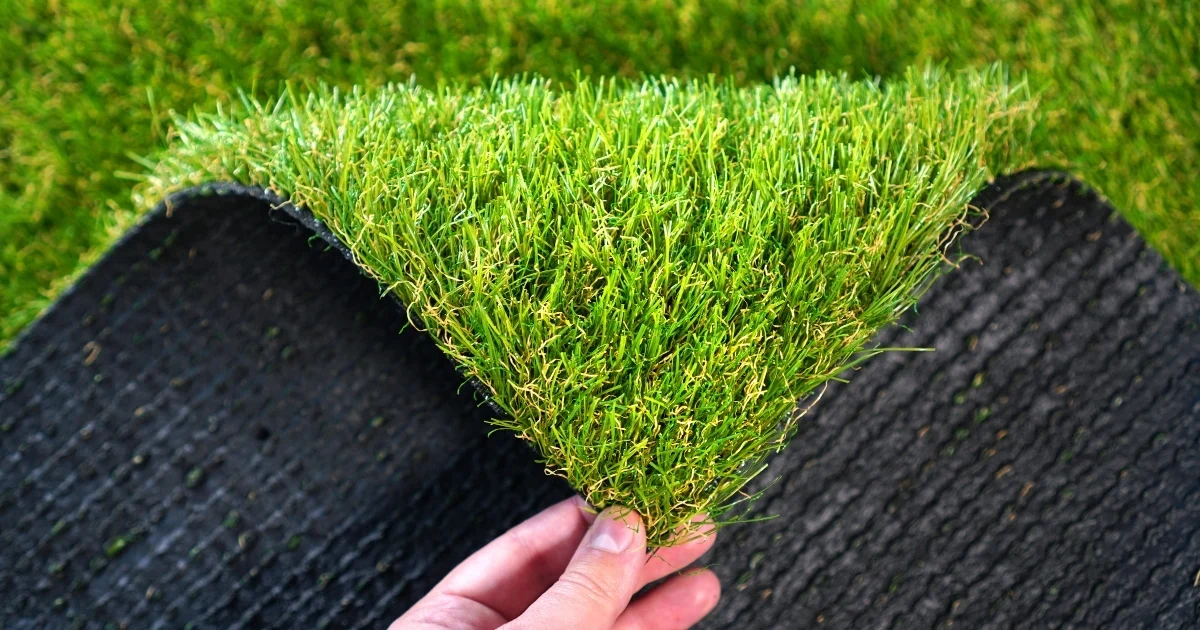
Homeowners across Southern California often find themselves overwhelmed when shopping for artificial turf. Sales reps throw around terms like “polyethylene blades,” “infill systems,” and “face weight,” leaving buyers unsure whether they’re getting quality materials or marketing hype. Understanding what turf is made out of empowers you to make informed decisions that protect your investment and ensure your outdoor space performs beautifully for years to come.
The composition of artificial grass directly impacts its durability, appearance, drainage, and comfort underfoot. Inferior materials flatten quickly, retain excessive heat, and fail to drain properly during Southern California’s occasional downpours. Quality materials, on the other hand, maintain their lush appearance through scorching summers, resist UV damage, and provide safe, comfortable surfaces for children and pets. Knowing the difference helps you avoid costly mistakes and select turf that truly meets your needs.
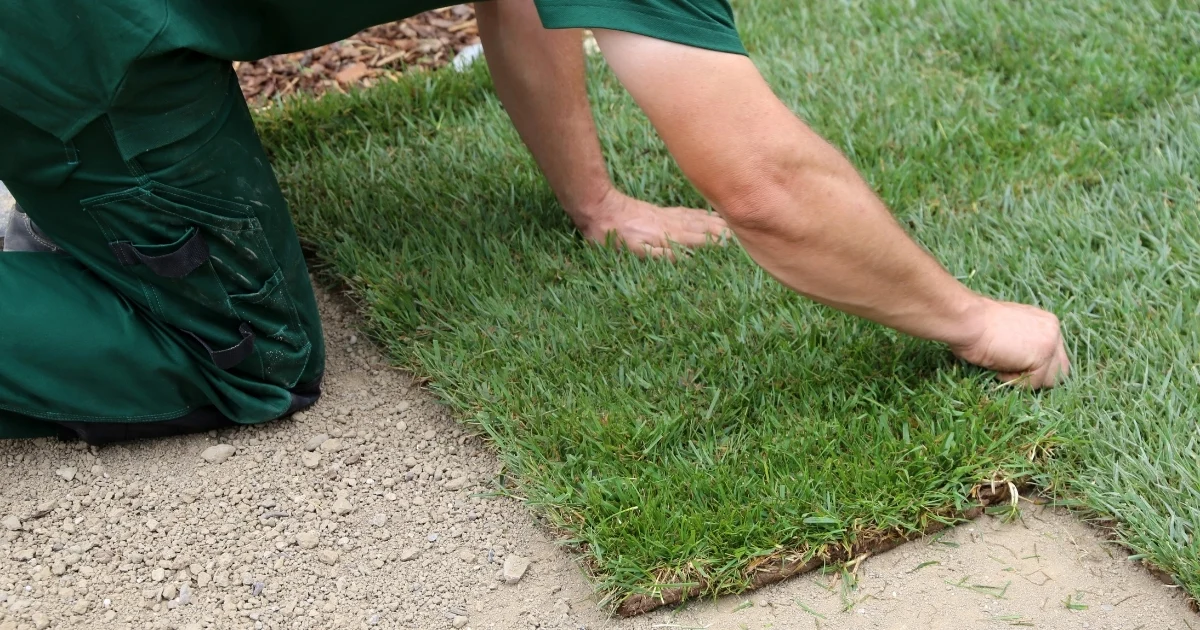
The Three Core Layers of Artificial Turf Construction
Every quality artificial turf installation consists of three essential layers working together to create a functional, attractive surface. Understanding the synthetic turf composition at each layer—backing, blades, and infill—helps you distinguish between products that will perform for fifteen years versus those that fail within five. The backing layer forms the foundation, typically featuring a primary backing where synthetic grass blades are tufted and a secondary backing that adds stability and dimensional strength. Most modern backing systems use polyurethane or latex compounds, with polyurethane offering superior durability and resistance to moisture degradation. The backing also contains drainage perforations that allow water to flow through rapidly, preventing pooling even during heavy rain. In climates with temperature extremes, understanding what turf is made out of becomes especially important for long-term performance.
The blade layer sits atop the backing and creates the visible grass surface. This layer consists of synthetic fibers manufactured from various polymers, each offering distinct performance characteristics. Many premium products incorporate multiple blade shapes within a single turf product, mimicking the natural variation found in living grass. The infill system fills the spaces between blades, providing ballast, supporting blade structure, and enhancing the surface’s natural feel. Infill materials range from silica sand to specialized antimicrobial products designed for pet areas. The combination of these three layers determines whether artificial turf performs as a premium outdoor surface or disappoints within months of installation.
Artificial Grass Blade Materials: Polyethylene, Nylon, and Polypropylene Compared
When homeowners ask, “What is turf made out of?” the answer begins with understanding the three primary polymers used in blade manufacturing. Polyethylene dominates residential installations because it offers an ideal balance of softness, durability, and realistic appearance. This material feels comfortable underfoot, resists UV degradation, and maintains its color through years of intense Southern California sun exposure. Polyethylene blades typically feature face weights between 60 and 90 ounces per square yard, with higher weights generally indicating denser, more luxurious turf.
Nylon represents the most durable option available, making it the preferred choice for high-traffic commercial applications and sports fields. This material stands upright even under constant foot traffic and resists matting better than other options. However, nylon’s stiffness makes it less comfortable for residential use, and its higher cost typically limits applications to areas requiring maximum resilience. When evaluating polyethylene vs nylon turf, consider your specific usage patterns and traffic levels.
Polypropylene rounds out the three primary blade polymers, but it serves a different role. It’s the least expensive option and the least durable—the fibers flatten under regular foot traffic and heat far faster than polyethylene or nylon. You’ll most often find it in short-pile putting greens and thatch layers, or in budget products where low upfront cost outweighs longevity. For a residential lawn meant to last, polypropylene works best as a supporting fiber rather than the primary blade.
When evaluating blade quality, look for these key indicators:
- Face weight above 60 ounces per square yard for residential applications
- UV stabilization ratings guaranteeing color retention for at least 8 years
- Varied blade shapes within the same product, including flat and textured profiles
- Thatch layer incorporating shorter, curled fibers that create visual depth
- Dtex ratings above 8,000, indicating thicker, more resilient individual fibers
- Lead-free certification and safety documentation
Types of Turf Backing and Infill That Determine Performance
The backing system serves as artificial turf’s structural foundation, and material choices here significantly impact long-term performance. The types of turf backing available today range from budget latex options to premium polyurethane systems, each with distinct performance characteristics. Polyurethane backing offers superior durability compared to latex alternatives, resisting moisture damage and maintaining dimensional stability through temperature fluctuations. Latex backing costs less but deteriorates faster, especially in climates with high heat and occasional moisture. The backing’s drainage perforation pattern also matters—quality products feature consistent hole spacing that prevents water pooling while maintaining structural integrity.
| Backing Type | Durability | Best Application |
|---|---|---|
| Polyurethane Double-Layer | 15+ years | Residential lawns, pet areas |
| Latex Double-Layer | 8-12 years | Budget-conscious projects |
| Polyurethane Single-Layer | 10-12 years | Light-traffic decorative areas |
| Latex Single-Layer | 5-7 years | Temporary installations only |
When you understand what turf is made out of in terms of backing construction, you can better evaluate warranty claims and longevity projections.
Artificial turf infill options play an equally important role in performance and comfort, with choices ranging from traditional silica sand to advanced antimicrobial and cooling materials. Silica sand remains the most common infill material, providing weight and blade support at reasonable cost. However, sand alone doesn’t address heat retention or antimicrobial needs. Crumb rubber infill, often made from recycled tires, offers excellent resilience but can retain heat and raise environmental concerns for some homeowners. Zeolite infill absorbs heat and odors, making it particularly valuable in pet areas and hot climates like Orange County and Huntington Beach.
Antimicrobial infill products incorporate materials like zeolite or specialized coatings that inhibit bacterial growth. These options prove especially valuable for families with pets or young children who spend significant time on the turf surface.
Matching Material Specifications to Southern California Climate Conditions
Southern California’s unique climate demands specific material considerations. The region’s intense UV exposure requires turf with robust UV stabilization—look for products guaranteeing color retention for at least 8 years. Heat retention becomes a critical concern during summer months, making lighter-colored polyethylene blades and cooling infill options particularly valuable. The best materials for fake grass in this climate combine heat-resistant properties with drainage capabilities that handle both irrigation runoff and occasional heavy rains.
Synthetic lawn blade construction matters significantly in hot climates. Blades with reflective properties or lighter color variations reduce surface temperatures compared to darker products. The blade’s ability to recover from compression also affects performance—quality polyethylene blades spring back upright even after furniture placement or heavy use, maintaining appearance throughout the year. How is artificial grass manufactured? The process directly impacts these quality factors, so working with transparent suppliers matters.
| Quality Factor | Premium Standard | Budget Product |
|---|---|---|
| Face Weight | 70-90 oz/sq yd | Below 60 oz/sq yd |
| Stitch Rate | 16,000+ per sq meter | Below 12,000 per sq meter |
| Blade Dtex | 8,000-12,000 | Below 6,000 |
| UV Warranty | 8-10 years | 5 years or less |
| Backing Type | Polyurethane double-layer | Latex single-layer |
Quality Materials Make All the Difference at Go Turf Artificial Grass & Pavers
Knowing what turf is made out of empowers you to make confident decisions about your outdoor investment. The materials used in your turf installation determine whether you enjoy a beautiful, low-maintenance lawn for 15 years or face disappointment and replacement costs within 5 years. From polyethylene blade construction to polyurethane backing systems and specialized infill options, every component contributes to long-term performance and satisfaction.
Go Turf Artificial Grass & Pavers specializes in helping Southern California homeowners navigate material options and select products perfectly matched to their specific needs, climate conditions, and usage patterns. Our owner-operated approach means you work directly with experienced professionals who understand the technical details and practical implications of every material choice. We source premium turf products that perform beautifully in Mission Viejo’s heat, Anaheim’s varied landscapes, and throughout Orange County’s diverse communities. Contact us today for a consultation where we’ll explain exactly what turf is made out of in our product lines and help you select the perfect solution for your outdoor space. No call centers, no pressure—just honest expertise and quality materials that deliver lasting value.
FAQs
Homeowners researching artificial turf often have specific questions about material composition, safety, and performance. Here are answers to the most common questions we receive about what goes into quality synthetic grass products.
1. Is artificial grass made from recycled materials?
Some artificial turf products incorporate recycled content in backing layers or infill components, though blades typically use virgin polyethylene or nylon for optimal performance and consistency. Many manufacturers now offer environmentally conscious options with recycled components that maintain quality standards.
2. What materials make artificial grass feel soft and realistic?
Polyethylene blades with higher face weight between 70 and 90 ounces per square yard create the softest, most realistic feel underfoot. Varied blade shapes including flat and textured profiles add visual depth and tactile realism. Quality infill materials and thatch layers incorporating shorter, curled fibers also contribute significantly to natural texture and appearance.
3. How do I know if artificial turf materials are safe for pets and children?
Look for turf certified as lead-free and manufactured without harmful chemicals, with documentation available from reputable manufacturers. Antimicrobial infill options provide additional protection in areas with heavy pet use. Quality manufacturers provide material safety data sheets and third-party testing certifications upon request.
4. What’s the difference between cheap and premium artificial grass materials?
Premium turf uses higher-grade polyethylene with greater face weight, superior UV stabilization ensuring color retention beyond 8 years, and stronger polyurethane backing that resists moisture damage. Budget products often substitute polypropylene blades that flatten quickly and latex backing that deteriorates within 5 to 7 years. Understanding polyethylene vs nylon turf and other material differences helps you identify products built for longevity versus those that compromise on quality.
5. Do artificial turf materials affect heat retention in my yard?
Yes, blade color, infill type, and backing construction all significantly influence surface temperature during hot weather. Lighter-colored polyethylene blades reflect more sunlight than darker variations, reducing heat absorption. Specialized cooling infill options like zeolite and perforated backing systems that promote airflow help minimize temperature buildup compared to dense materials with poor ventilation.