
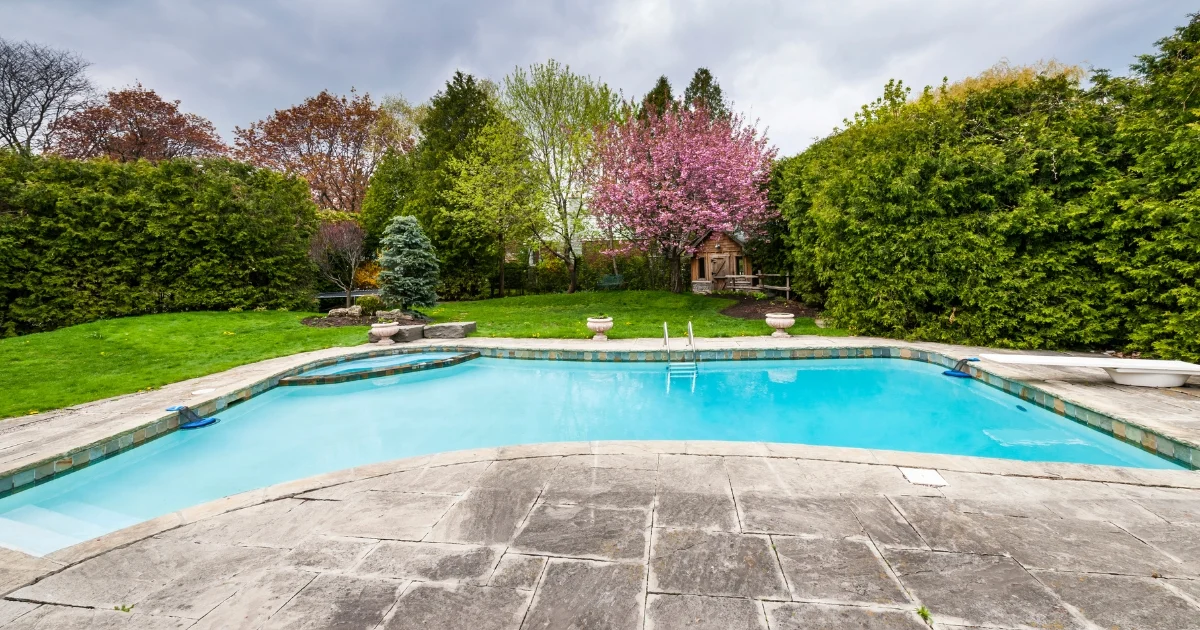
Picture this: it’s a scorching summer afternoon in Southern California, and you’re ready to dive into your pool. But first, you have to sprint across blistering concrete that feels like a frying pan under your bare feet. Or maybe you’ve got pavers that turn into a slip-and-slide hazard the moment they get wet, sending kids and adults alike into nervous tiptoeing mode.
Enter turf for pool area applications—a game-changing solution that’s evolved far beyond the plastic-looking artificial grass of decades past. Today’s pool deck artificial grass combines cutting-edge cooling technology, lightning-fast drainage systems, and resort-quality aesthetics that transform your pool surround into a comfortable, safe, and stunning space. Homeowners across Orange County, Huntington Beach, Mission Viejo, and Anaheim are discovering that these advanced turf systems not only solve the pain points of traditional materials but also boost property value while slashing maintenance time and water bills to near zero.
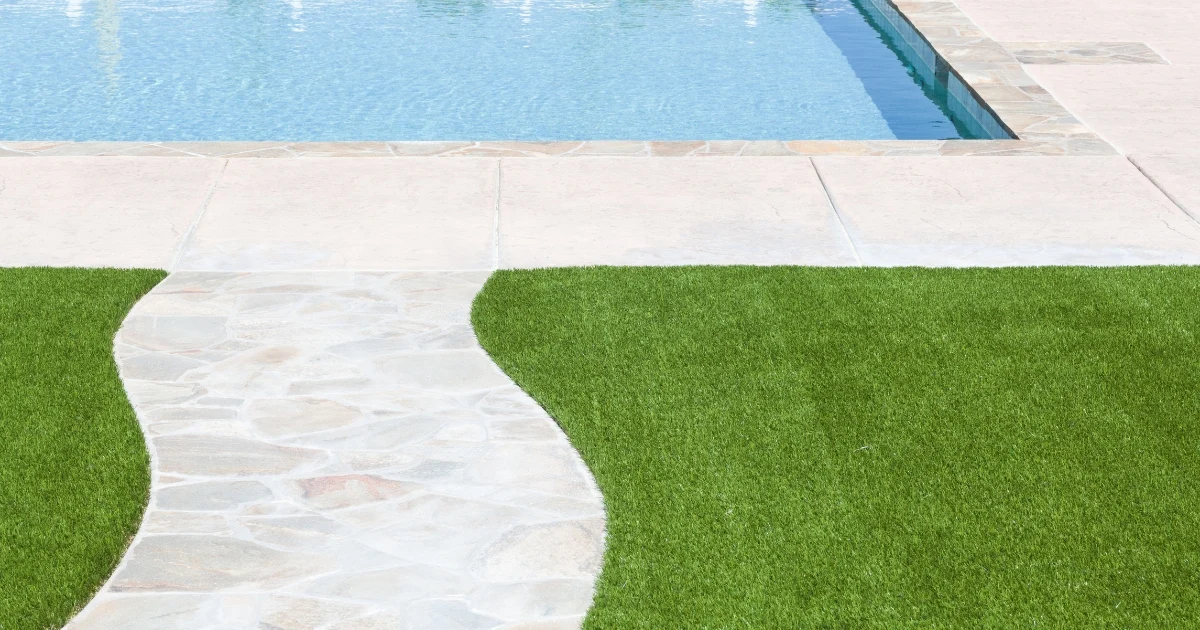
The Safety and Comfort Advantages of Pool Deck Artificial Grass
When it comes to poolside safety, slip resistance tops every homeowner’s priority list—especially for families with young children who love to run from the water to the snack table and back again. Wet concrete becomes dangerously slippery, and even textured pavers can turn treacherous when algae builds up in the grout lines. Quality turf for pool area applications features a textured surface that maintains traction even when soaked, dramatically reducing the risk of slips and falls. The National Safety Council reports that falls are a leading cause of unintentional injuries at home, and a slip-resistant pool deck can be a simple yet effective preventive measure.
Beyond safety, comfort plays a huge role in how much you actually enjoy your pool area. Modern cool turf for pool decks incorporates heat-reflective technology and lighter color palettes that keep surface temperatures significantly lower than concrete or dark pavers. While traditional concrete can reach temperatures exceeding 150°F in direct Southern California sunlight, advanced synthetic turf products stay significantly cooler—often 30 to 50 degrees lower according to manufacturer testing—making barefoot walks from the house to the pool genuinely pleasant rather than a painful dash. This cooling effect comes from specialized infill materials and UV-reflective fibers that dissipate heat rather than absorbing it.
How Synthetic Turf Around Swimming Pools Handles Water and Drainage
One of the most common concerns homeowners raise about artificial turf drainage for pools centers on whether water will pool on the surface or create muddy messes. The reality is that modern turf for pool area systems is engineered to handle the water challenges of pool environments. Quality products feature perforated backing that allows water to drain through at rates exceeding 30 inches per hour according to industry specifications—far faster than natural grass and even most permeable pavers. This rapid drainage means that splashed pool water, rain, and even hose rinses disappear almost instantly, leaving the surface dry and ready for use within minutes.
Professional installation plays a critical role in maximizing drainage performance. The base preparation typically involves excavating several inches of soil and replacing it with a compacted crushed aggregate base that’s graded with a slight slope away from the pool structure. This foundation prevents water from pooling under the turf and directs runoff toward appropriate drainage areas or landscaping zones. Edge restraints and proper seaming techniques ensure that water flows through the turf rather than finding gaps or weak points where it might accumulate.
- Perforated backing systems: Allow water to pass through at 30+ inches per hour, preventing surface pooling and ensuring quick drying times after splashes or rain
- Specialized infill options: Antimicrobial infill prevents bacteria and odor growth in the moist pool environment while maintaining proper drainage and blade support
- Base preparation requirements: Crushed aggregate base with proper compaction and grading directs water away from pool foundations and prevents settling or unevenness
- Maintenance advantages: No mud tracked into the pool water, no grass clippings clogging filters, and easy cleanup of sunscreen, food spills, and pet waste with a simple hose rinse
- UV stabilization: Premium fibers resist fading from intense Southern California sun exposure and harsh pool chemicals, maintaining vibrant color for years
- Warranty coverage: Many manufacturers offer 10- to 15-year warranties specifically for pool applications, covering chemical exposure and heavy traffic conditions
Best Turf for Poolside Areas: Design and Installation Considerations
Choosing the right turf for pool area installations involves more than picking the greenest option. Different pool styles call for different turf characteristics to create a cohesive, visually appealing design. For modern geometric pools with clean lines and contemporary hardscaping, a shorter pile height (around 1 to 1.5 inches) in a consistent emerald or olive tone creates a manicured, golf-course appearance that complements the sleek aesthetic. Natural lagoon-style pools with rock features and tropical landscaping pair beautifully with slightly taller, multi-toned turf (1.5 to 2 inches) that mimics the varied hues of real grass and blends seamlessly with surrounding plantings.
Integration with existing hardscape elements requires thoughtful planning during the design phase. Turf can be installed right up to pool coping, creating a seamless transition from water to grass, or it can be combined with bands of pavers, decorative stone, or concrete for visual interest and functional pathways. Understanding how to install artificial grass around pool areas properly ensures long-term performance and aesthetic appeal.
| Pool Style | Recommended Turf Characteristics | Design Considerations |
|---|---|---|
| Modern Geometric | Short pile (1-1.5 inches), uniform emerald tone, dense blade structure | Clean edges, minimal transitions, pairs well with concrete coping and linear pavers |
| Natural Lagoon | Medium pile (1.5-2 inches), multi-toned green and brown, softer texture | Organic curves, integration with rock features and tropical plants, natural stone accents |
| Resort-Inspired | Medium pile (1.5 inches), vibrant green, cooling technology essential | Expansive coverage, cabana integration, lounge areas with furniture placement considerations |
| Mediterranean | Shorter pile (1-1.25 inches), olive or sage tones, drought-resistant aesthetic | Terra cotta tile accents, wrought iron elements, herb garden borders |
Beyond design considerations, understanding the long-term cost implications helps homeowners make informed decisions. When exploring pool area landscaping ideas, budget plays a crucial role:
| Material | Initial Cost per Sq Ft | Annual Maintenance Cost |
|---|---|---|
| Artificial Turf | $8-15 | $50-100 (occasional rinsing, minor grooming) |
| Concrete | $6-12 | $200-400 (sealing, crack repair, cleaning) |
| Pavers | $10-20 | $300-500 (re-sanding, weed control, leveling, sealing) |
| Natural Grass | $2-5 | $800-1,500 (water, mowing, fertilizer, pest control) |
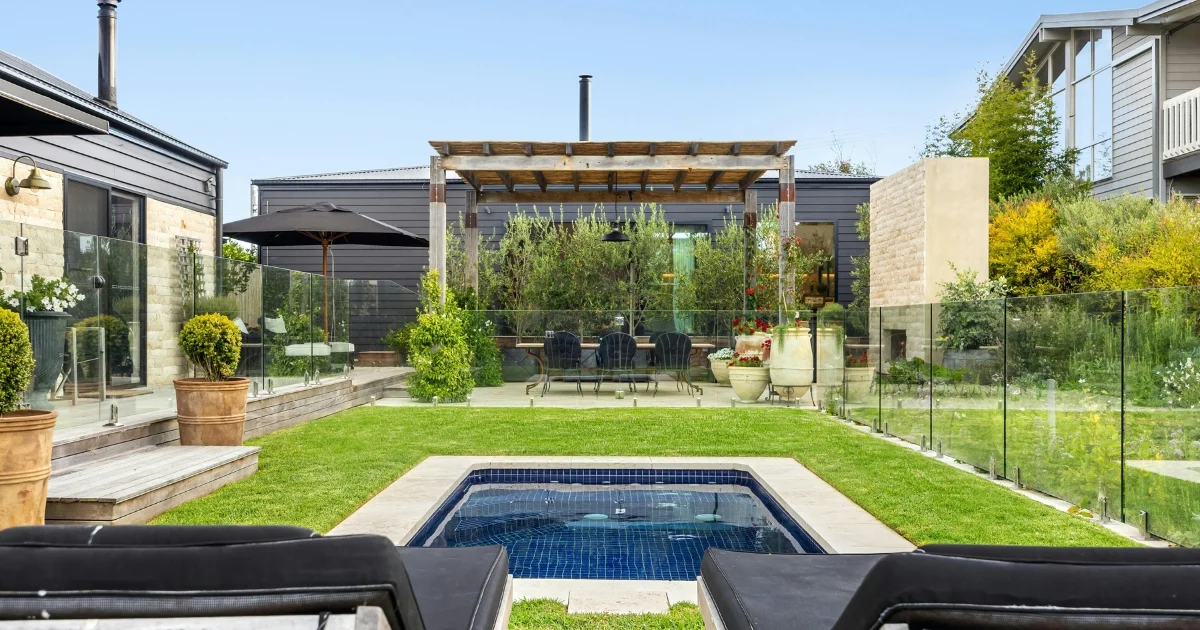
Make the Leap to Luxury Living at Go Turf Artificial Grass & Pavers
Your pool area should be a source of relaxation and enjoyment, not a constant maintenance burden or safety concern. Whether you’re tired of scorching concrete, frustrated with slippery pavers, or simply ready to upgrade to a more beautiful and functional outdoor space, turf for pool area installations offers a proven solution that delivers comfort, safety, and stunning aesthetics for years to come. From cooling technology that keeps surfaces comfortable even in peak summer heat to drainage systems that handle the wettest pool parties without missing a beat, today’s synthetic turf products are engineered specifically for the demands of Southern California pool environments.
Ready to transform your pool area into the backyard oasis you’ve always envisioned? Go Turf Artificial Grass & Pavers brings decades of specialized experience installing premium artificial turf around pools throughout Orange County and surrounding communities. Our team understands the unique requirements of pool deck applications—from proper drainage design to chemical-resistant materials to seamless integration with your existing hardscape. We’ll visit your property for a free consultation, assess your specific needs, and create a custom solution that fits your design preferences and budget. We also specialize in pet-friendly turf near pool installations that keep your furry friends comfortable while maintaining pristine water quality. Contact us today to schedule your on-site assessment and discover why homeowners across Huntington Beach, Mission Viejo, and Anaheim trust us for their pool area transformations.
FAQs
The following are the most frequently asked questions regarding turf around swimming pools.
1. Does artificial turf get too hot around pools in summer?
Modern turf for pool area cooling technology significantly reduces surface temperatures compared to concrete or pavers. Premium products with heat-reflective coatings and lighter color options stay 30 to 50 degrees cooler than traditional materials, making them comfortable for barefoot traffic even on hot days. Some manufacturers also offer specialized infill materials that further reduce heat absorption, keeping your pool deck pleasant throughout the summer months.
2. Will pool chemicals damage synthetic turf around swimming pools?
Quality artificial turf designed for pool applications features chemical-resistant backing and UV-stabilized fibers that withstand chlorine, salt, and other pool chemicals without fading or deteriorating. Regular rinsing with a hose prevents chemical buildup and maintains the turf’s appearance and integrity for 15 to 20 years. Many manufacturers now offer warranties specifically covering pool environments, providing additional peace of mind for homeowners concerned about chemical exposure.
3. How does drainage work with artificial grass around pools?
Pool-grade artificial turf includes perforated backing that drains water at rates exceeding 30 inches per hour, faster than natural grass and most permeable pavers. Professional installation includes proper base preparation with crushed aggregate and slight grading to direct water away from the pool structure, preventing any standing water issues. This advanced drainage system ensures that splashed water, rain, and hose rinses disappear almost instantly, leaving the surface dry and ready for use within minutes.
4. Is artificial turf safe for kids and pets around the pool?
Yes, artificial turf provides superior safety with slip-resistant surfaces that reduce fall injuries and cushioned backing that’s gentler than concrete or pavers. Pet-friendly turf options include antimicrobial infill that prevents odors and bacteria growth, plus easy cleanup of pet waste without tracking mud into the pool. The textured surface maintains traction even when wet, making it ideal for active families with children who love to run and play around the water.
5. What’s the cost difference between turf and pavers for a pool deck?
While initial installation costs are comparable—typically $8 to $15 per square foot for quality turf versus $10 to $20 for pavers—artificial turf offers significant long-term savings with zero maintenance costs, no resurfacing needs, and no weed control expenses. Most homeowners recoup their investment within 5 to 7 years through eliminated maintenance expenses, water savings, and increased property value, making turf the more economical choice over its 15- to 20-year lifespan.