
- What is Artificial Turf?
- History of Artificial Turf
- Different Types of Artificial Turf
- What is Pet Turf?
- Special Features of Pet Turf
- Materials Used in Pet Turf
- Key Differences Between Pet Turf and Artificial Turf
- Durability
- Maintenance Requirements
- Safety and Comfort for Pets
- Odor Control
- Benefits of Using Pet Turf
- Health Benefits for Pets
- Ease of Cleaning
- Environmentally Friendly Options
- Drawbacks of Pet Turf
- Initial Installation Cost
- Potential Heat Retention Issues
- Choosing Between Pet Turf and Artificial Turf
- Factors to Consider
- Cost Comparison
- Long-term Investment
- How to Install Pet Turf?
- Step-by-Step Installation Guide
- Common Mistakes to Avoid
- Maintaining Your Pet Turf
- Regular Cleaning Tips
- Seasonal Maintenance
Introduction
In the world of landscaping and home improvement, artificial turf has become a popular choice for its low maintenance and aesthetic appeal. However, for pet owners, the decision between standard artificial turf and specialized pet turf can be perplexing. What sets these two apart? Why should one consider pet turf over the conventional variety?
Understanding the key differences, benefits, and drawbacks can help in making an informed decision. Whether you live in Anaheim or Mission Viejo, knowing what suits your furry friends best is crucial.
In this guide, we delve into the nuances of pet turf and artificial turf, exploring their unique features, benefits, and the important factors to consider before making a choice. By the end of this article, you will have a clearer understanding of which turf is best suited for your needs and those of your beloved pets.
For a deeper dive into specifics, explore our pages on dog and pet turf in Long Beach and Irvine.
So, let’s embark on this journey to discover the perfect green carpet for you and your pets!
What is Artificial Turf?
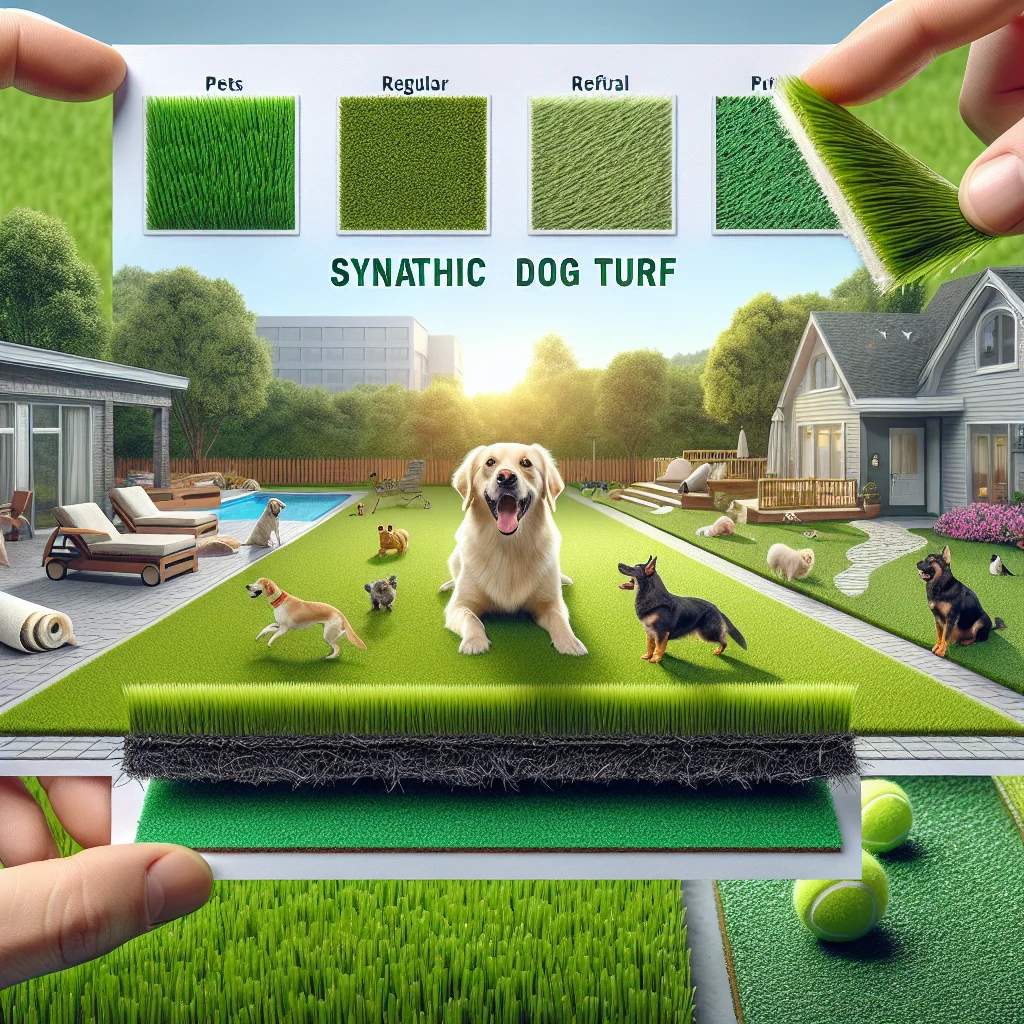
Artificial turf, often synonymous with synthetic grass, is a man-made surface designed to mimic the look and feel of natural grass. It is composed of synthetic fibers that are tufted into a backing material, creating a lush, green appearance without the need for constant watering, mowing, or fertilizing. But where did this innovation come from, and what types are available today?
History of Artificial Turf
The journey of artificial turf began in the 1960s when it was primarily developed for sports fields. The first notable installation was at the Houston Astrodome, earning it the nickname “AstroTurf.” From sports arenas, it gradually made its way into residential and commercial landscapes, thanks to advancements in technology that improved its durability and realism.
Different Types of Artificial Turf
Today’s artificial turf comes in various types, each designed to cater to specific needs and preferences:
- Nylon Turf: Known for its resilience and ability to withstand heavy traffic, making it ideal for sports fields and high-activity areas.
- Polyethylene Turf: Offers a softer texture and a more natural appearance, suitable for lawns and recreational spaces.
- Polypropylene Turf: A cost-effective option, though less durable, best for decorative purposes or light use areas.
To explore more about artificial turf options, check out our detailed page on Astro Turf in Anaheim and Long Beach.
Now that we have a foundational understanding of artificial turf, let’s delve into what makes pet turf unique and why it might be the ideal choice for pet owners.
What is Pet Turf?
Pet turf, as the name suggests, is specifically engineered to cater to the needs of our furry companions. While it shares similarities with traditional artificial turf, its unique features make it particularly suited for households and facilities with pets. So, what makes pet turf stand out?
Special Features of Pet Turf
Pet turf is designed with several special features that address the unique challenges pet owners face:
- Durability: It is built to withstand the wear and tear caused by playful pets, ensuring it remains in top condition even under heavy use.
- Drainage System: Efficient drainage is a hallmark of pet turf, allowing for quick and effective removal of urine and other liquids, reducing odors and maintaining hygiene.
- Antimicrobial Properties: Many pet turfs are treated with antimicrobial agents to inhibit the growth of bacteria, keeping the surface cleaner and safer for pets.
- Softness and Comfort: The fibers are often softer and more comfortable for pets to walk or lie on, mimicking the feel of natural grass.
Materials Used in Pet Turf
Pet turf is typically made from high-quality synthetic materials that enhance its functionality and longevity:
- Polyethylene: A popular material for pet turf, polyethylene offers a soft, natural feel while being durable enough to handle pet activity.
- Polypropylene: Used in some pet turfs, this material is known for its resilience and cost-effectiveness, though it may not be as soft as polyethylene.
- Nylon: Though less common due to its higher cost, nylon is extremely durable and can withstand the most rigorous use.
To get a closer look at pet turf options, explore our dedicated pages on Dog & Pet Turf in Anaheim and Mission Viejo.
Understanding these features and materials is crucial in appreciating the key differences between pet turf and regular artificial turf, which we will explore in the next section.
Key Differences Between Pet Turf and Artificial Turf
While both pet turf and artificial turf aim to replicate the lush greenery of natural grass, their purposes and features create distinct differences. Understanding these differences can help you choose the right one for your specific needs, especially if you have pets.
Durability
Pet turf is engineered to endure the vigorous activities of pets. Its robust construction can withstand scratching, digging, and heavy use without showing significant wear and tear. On the other hand, standard artificial turf, while durable, may not hold up as effectively under the same conditions. For more information on durable options, consider exploring Dog & Pet Turf in Anaheim.
Maintenance Requirements
Maintaining pet turf typically involves regular cleaning to remove pet waste and prevent odors, thanks to its efficient drainage systems. Standard artificial turf might require less frequent cleaning but lacks the specialized features for managing pet messes. For maintenance tips, our guide on artificial grass thickness can be insightful.
Safety and Comfort for Pets
Pet turf is designed with pet safety and comfort in mind. It often features softer fibers and antimicrobial properties to ensure a safe and pleasant environment for pets. Regular artificial turf, while comfortable for general use, may not offer the same level of softness or microbial resistance. Learn more about pet-friendly options in Mission Viejo.
Odor Control
One of the standout features of pet turf is its odor control capabilities. Advanced drainage systems and antimicrobial treatments help minimize unpleasant smells from pet waste. Standard artificial turf, lacking these features, may not be as effective in controlling odors. For insights into specific products, visit our Long Beach page.
These differences highlight why pet turf is often the preferred choice for pet owners. Next, we’ll delve into the specific benefits of using pet turf, ensuring you make an informed decision that caters to the well-being of your furry friends and your convenience.
Benefits of Using Pet Turf
Choosing pet turf over standard artificial turf comes with a host of benefits that cater specifically to the needs of pet owners and their furry companions. Let’s take a closer look at some of these advantages.
Health Benefits for Pets
Pet turf provides a safe and clean environment for pets to play, ensuring they are not exposed to harmful chemicals or allergens often found in natural grass. The antimicrobial properties of pet turf further contribute to a healthier space by preventing the growth of bacteria and other pathogens. This makes it an excellent choice for pet owners who prioritize their pets’ health and well-being.
Ease of Cleaning
Maintaining pet turf is a breeze compared to natural grass or standard artificial turf. The advanced drainage systems allow for quick and effective removal of pet waste, reducing the chances of unpleasant odors lingering. Regular hosing down and occasional brushing are usually sufficient to keep the turf clean and fresh. For more detailed maintenance tips, consider visiting our Anaheim page.
Environmentally Friendly Options
Pet turf is often made from recyclable materials, making it an eco-friendly alternative to natural grass that requires regular watering and chemical treatments. By opting for pet turf, you not only create a safe environment for your pets but also contribute to water conservation and reduce the use of harmful pesticides. To explore more sustainable options, check out Irvine.
Understanding these benefits can help you make an informed decision that balances the needs of your pets with environmental considerations. However, it’s essential to also weigh the potential drawbacks, which we will discuss in the next section.
Drawbacks of Pet Turf
While pet turf offers numerous advantages tailored to pet owners, it’s also essential to consider the potential drawbacks. Understanding these can help you make a balanced decision that aligns with your specific needs and circumstances.
Initial Installation Cost
The upfront cost of installing pet turf can be a significant investment. High-quality pet turf, with its specialized features such as enhanced durability and efficient drainage systems, tends to be more expensive than standard artificial turf. This initial expense might be a consideration for those on a tight budget. However, the long-term benefits often outweigh the initial cost, as seen in areas like Long Beach, where many homeowners have found it to be a worthwhile investment.
Potential Heat Retention Issues
One of the common concerns with synthetic turf, including pet turf, is its tendency to retain heat. On hot days, the surface can become quite warm, potentially causing discomfort for pets. While some pet turfs are designed to minimize heat absorption, it’s a factor to consider, especially if you live in a warm climate. For more on mitigating heat issues, you might find our guide on Dog & Pet Turf in Irvine useful.
By weighing these drawbacks against the benefits, you can make a more informed decision about whether pet turf is the right choice for your home and pets. Next, we’ll discuss how to choose between pet turf and artificial turf based on various factors.
Choosing Between Pet Turf and Artificial Turf
When it comes to selecting the ideal turf for your home, the decision between pet turf and artificial turf involves several factors. To make an informed choice, consider the following aspects that can significantly influence your decision.
Factors to Consider
Understanding your specific needs and circumstances is crucial in choosing the right type of turf:
- Pet Activity Level: If you have highly active pets that love to dig, run, and play, pet turf’s durability and specialized features will be more suitable.
- Climate: Consider the climate of your area. For instance, if you live in a hot region, artificial turf with heat-reducing properties might be a better choice to ensure your pets’ comfort.
- Maintenance Preferences: Evaluate how much time and effort you’re willing to invest in maintenance. Pet turf requires regular cleaning, while standard artificial turf might need less frequent upkeep.
For more insights, you can explore the various options available in different regions like Anaheim and Mission Viejo.
Cost Comparison
Initial installation costs and long-term maintenance expenses are critical considerations:
- Initial Costs: Pet turf generally has a higher upfront cost due to its enhanced features. However, the longevity and specialized benefits can justify this initial investment.
- Maintenance Costs: While pet turf may have higher maintenance costs due to regular cleaning, it can save money in the long run by reducing the need for water, fertilizers, and pesticides.
To explore cost-effective options, consider checking out our pages on dog and pet turf in Long Beach and Irvine.
Long-term Investment
Think about the long-term benefits of your investment:
- Durability: Pet turf’s robust construction can withstand the test of time, making it a worthwhile long-term investment.
- Health and Safety: The health benefits for pets and the eco-friendly nature of pet turf contribute to a safer and more sustainable environment.
By considering these factors, you can make an informed decision that aligns with your needs and ensures the well-being of your pets. For more detailed guidance, visit our pages on Dog & Pet Turf in Anaheim and Mission Viejo.
How to Install Pet Turf?
Installing pet turf can be a rewarding project that transforms your outdoor space into a pet-friendly paradise. However, to ensure a successful installation, it’s crucial to follow a systematic approach. Here’s a step-by-step guide to help you through the process.
Step-by-Step Installation Guide
Installing pet turf involves several key steps to ensure durability and functionality:
- Preparation: Begin by clearing the area of any existing grass, weeds, or debris. Level the ground and compact the soil to create a stable base.
- Base Layer: Lay down a geotextile fabric to prevent weed growth. Then, spread a layer of crushed stone or gravel to enhance drainage and provide a solid foundation.
- Compacting: Compact the base layer using a plate compactor to ensure it is firm and level. This step is crucial for preventing uneven surfaces.
- Installing Turf: Roll out the pet turf and position it over the prepared base. Trim the edges to fit the area, making sure the turf is smooth and wrinkle-free.
- Seaming: If multiple pieces of turf are needed, use seam tape and adhesive to join them together. Ensure the seams are secure and invisible.
- Infill: Apply a layer of pet-friendly infill, such as silica sand or rubber granules, to weigh down the turf and keep the blades upright. Brush the infill evenly across the surface.
- Final Touches: Brush the turf to fluff up the fibers and check for any loose edges. Ensure the entire area is secure and ready for use.
For more detailed instructions and tips, you can refer to our comprehensive guides available for various regions like Anaheim and Mission Viejo.
Common Mistakes to Avoid
To ensure a flawless installation, be mindful of these common mistakes:
- Inadequate Base Preparation: Skipping or rushing the base preparation can lead to an unstable surface. Take the time to properly compact and level the base.
- Poor Drainage: Failing to install an effective drainage system can result in water pooling, leading to unpleasant odors and potential damage to the turf.
- Incorrect Seaming: Visible seams or weak joints can compromise the appearance and durability of the turf. Use proper seaming techniques and materials.
- Insufficient Infill: Neglecting to add enough infill can cause the turf fibers to flatten and reduce the overall lifespan of the turf. Ensure even and adequate application of infill.
By following these steps and avoiding common pitfalls, you can achieve a professional-looking installation that provides a safe and enjoyable space for your pets. For further assistance, explore our regional pages on Long Beach and Irvine.
Maintaining Your Pet Turf
Once your pet turf is installed, maintaining it ensures that it remains a clean and safe environment for your pets. Regular upkeep not only preserves the turf’s appearance but also enhances its longevity and functionality. Let’s explore some essential maintenance tips to keep your pet turf in top condition.
Regular Cleaning Tips
Regular cleaning is vital to prevent the build-up of dirt, debris, and pet waste. Here are some practical tips:
- Remove Pet Waste: Promptly pick up solid waste and dispose of it properly. Use a hose to rinse the area where your pet urinated to prevent odors.
- Brush the Turf: Use a stiff-bristled brush to fluff up the fibers and remove any loose debris. Brushing helps maintain the turf’s upright position and overall appearance.
- Hose Down Regularly: Regularly hosing down the turf helps to wash away dust and minor debris. For a deeper clean, consider using a mild soap solution.
For more detailed cleaning guidelines, check out our pages on Dog & Pet Turf in Anaheim and Mission Viejo.
Seasonal Maintenance
Seasonal changes can affect the condition of your pet turf. Here are some seasonal maintenance tips:
- Spring: As the weather warms up, give your turf a thorough cleaning to remove any debris that may have accumulated during the winter months. This is also a good time to inspect and repair any damage.
- Summer: In hot weather, rinse the turf more frequently to keep it cool and prevent odors. Ensure proper drainage to avoid water pooling.
- Fall: Remove fallen leaves and other organic matter regularly to prevent them from decomposing on the turf. This helps maintain its cleanliness and appearance.
- Winter: In colder climates, avoid heavy traffic on frozen turf to prevent damage. Clean the turf before the first snowfall to minimize maintenance during the winter.
For region-specific maintenance advice, visit our pages on Long Beach and Irvine.
By following these maintenance tips, you can ensure that your pet turf remains a pristine and hygienic space for your pets to enjoy year-round. Next, let’s summarize the key takeaways from our discussion.
Key Takeaways
Choosing between pet turf and artificial turf depends on your specific needs, especially if you have pets. Here are the key takeaways to help you make an informed decision:
- Durability: Pet turf is designed to withstand the rigorous activities of pets, providing a long-lasting and resilient surface. If durability is a priority, pet turf is the better choice.
- Maintenance: Pet turf requires regular cleaning and maintenance to manage pet waste and prevent odors. While standard artificial turf may need less frequent upkeep, it lacks the specialized features for pet hygiene.
- Safety and Comfort: Pet turf offers enhanced safety and comfort for pets, with softer fibers and antimicrobial properties. It ensures a healthier environment compared to regular artificial turf.
- Odor Control: Pet turf’s advanced drainage systems and antimicrobial treatments effectively control odors, making it a more pet-friendly option.
- Initial Cost: The installation cost of pet turf is higher due to its specialized features. However, the long-term benefits can justify the investment.
- Heat Retention: Both pet turf and artificial turf can retain heat, but some pet turfs are designed to minimize this issue, making them more suitable for warm climates.
By weighing these factors, you can choose the right type of turf that suits your lifestyle and ensures the well-being of your pets. For more detailed insights, explore our regional pages on Dog & Pet Turf in Anaheim and Mission Viejo.
Understanding these key points can guide you toward making the best decision for a beautiful, functional, and pet-friendly outdoor space.
Conclusion
In the quest to create the perfect outdoor space for your home, understanding the distinctions between pet turf and artificial turf is essential. Pet turf, with its specialized features, provides a durable, safe, and hygienic environment tailored to the needs of your pets. On the other hand, standard artificial turf offers a versatile and aesthetically pleasing option for general landscaping needs.
Whether you prioritize the health benefits for your pets, the ease of cleaning, or the long-term investment, both types of turf have their unique advantages and considerations. By weighing the factors discussed, you can make an informed decision that aligns with your specific requirements.
For more detailed information and to explore the best turf options for your needs, visit our pages on Dog & Pet Turf in Anaheim and Mission Viejo. Additionally, keeping abreast with the latest trends and maintenance tips from reputable sources like EPA and NRDC can further enhance your turf experience.
Ultimately, the choice between pet turf and artificial turf should be driven by your lifestyle, environmental considerations, and the happiness of your furry companions. Whichever you choose, a lush, green, and low-maintenance lawn awaits!