
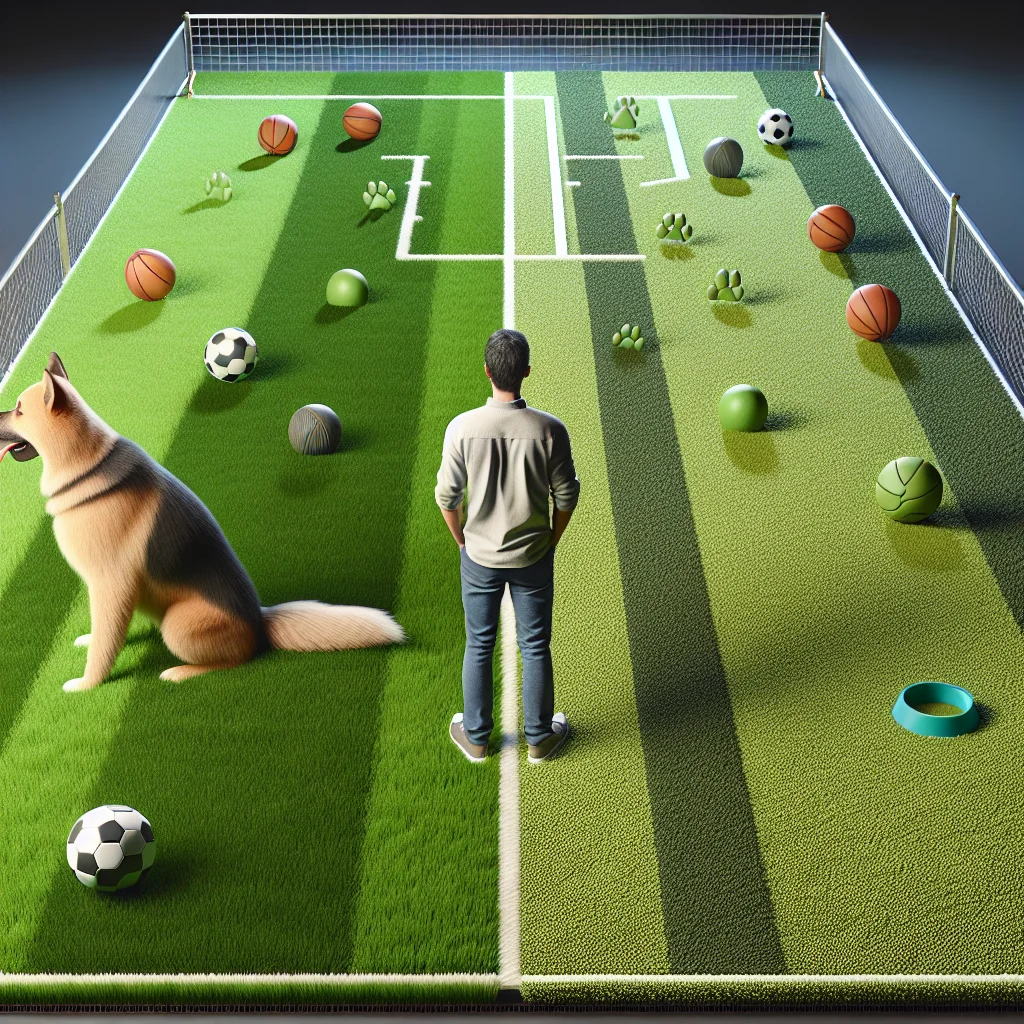
Understanding Artificial Turf and Synthetic Turf
- The History and Evolution of Turf
- The invention and development of artificial turf
- The adoption and popularity of synthetic turf
- Materials Used in Artificial and Synthetic Turf
- Key materials in artificial turf
- Key materials in synthetic turf
- Installation Process and Maintenance
- How to install artificial turf
- How to install synthetic turf
- Maintenance tips for artificial turf
- Maintenance tips for synthetic turf
- Applications and Uses
- Common uses for artificial turf
- Common uses for synthetic turf
- Cost Comparison of Artificial and Synthetic Turf
- Upfront costs
- Long-term cost considerations
- Environmental Impact and Sustainability
- Eco-friendly aspects of artificial turf
- Eco-friendly aspects of synthetic turf
- Pros and Cons
- Advantages and disadvantages of artificial turf
- Advantages and disadvantages of synthetic turf
Introduction
In the world of landscaping and sports fields, the terms artificial turf and synthetic turf are often used interchangeably. Yet, subtle differences exist between these two, making it crucial to understand their unique characteristics. Whether it’s for a lush backyard, a high-traffic sports arena, or pet-friendly spaces, making the right choice depends on several factors. In this comprehensive guide, we’ll delve into the distinctions, materials, installation processes, and more.
For instance, if you’re in Anaheim and looking for specific solutions, there are dedicated services for dog and pet turfs as well as options for Astro Turf. These offerings can help you decide based on your unique requirements.
Moreover, understanding the historical evolution and advancements in turf technology can provide deeper insights. Let’s embark on this journey to uncover what sets artificial and synthetic turf apart.
For further details and a broader understanding of any installation or maintenance concerns, you can check out our specific guides on Go Turf Artificial Grass & Pavers in Anaheim.
So, what are the fundamental differences between the two? Let’s explore.
Understanding Artificial Turf and Synthetic Turf
At first glance, artificial turf and synthetic turf might seem like two peas in a pod, but a closer look reveals nuanced differences. Both terms essentially refer to man-made surfaces designed to mimic the look and feel of natural grass, but their applications and compositions can vary.
Artificial turf typically refers to the original concept developed in the 1960s, famously used in sports arenas. It’s a blend of synthetic fibers made to look like grass and is often used in high-traffic areas where natural grass would struggle to thrive. On the other hand, synthetic turf encompasses a broader category that includes various advancements and improvements over time.
If you are considering installing turf in your backyard or a commercial space, it’s crucial to understand these differences for better decision-making. For instance, dog & pet turfs in Mission Viejo are specifically designed to be durable and safe for pets, highlighting the specialized nature of modern synthetic turfs.
Understanding these differences will help you choose the right type of turf for your specific needs, whether it’s for a sports field, a playground, or a pet-friendly area. For a more in-depth look at the specific types of turf available in different regions, you can explore options in areas like Long Beach or Irvine.
The History and Evolution of Turf
The story of turf is an intriguing tale of innovation and adaptation. While the lush green fields we see today may seem like a modern marvel, the journey began decades ago with a simple yet revolutionary idea.
The invention and development of artificial turf
Artificial turf was first introduced in the 1960s, with its debut in the Houston Astrodome, giving it the popular name “AstroTurf.” This was a game-changer for sports arenas, providing a durable surface that could withstand heavy use without the maintenance challenges of natural grass. Over time, the technology evolved, incorporating more advanced materials and designs to improve performance and aesthetics.
For example, the Astro Turf options in Anaheim have come a long way from the initial designs, offering a range of choices tailored to different needs and preferences.
The adoption and popularity of synthetic turf
As artificial turf proved its worth, the 1970s and 1980s saw a surge in its popularity. The term “synthetic turf” began to encompass a broader spectrum of products, including those designed for residential and commercial landscapes. This period marked a significant shift as synthetic turf started to be used in places beyond sports fields, such as playgrounds and backyards.
In places like Long Beach, synthetic turf became a preferred choice for homeowners and businesses looking for a low-maintenance, aesthetically pleasing solution. The versatility and durability of synthetic turf made it an attractive option for various applications.
Understanding the history and evolution of turf helps appreciate the advancements in technology and materials, leading to the sophisticated products available today. Whether you’re considering turf for a sports arena, a pet-friendly yard, or a commercial space, the options are vast and varied, catering to specific needs and preferences.
Materials Used in Artificial and Synthetic Turf
The materials that constitute artificial and synthetic turf have evolved significantly over the years. Initially, these turfs were made using simple synthetic fibers, but advancements in technology have led to the development of more sophisticated materials designed to enhance durability, aesthetics, and functionality.
Key materials in artificial turf
Artificial turf primarily uses materials like nylon, polypropylene, and polyethylene. Nylon is known for its durability and resilience, making it an excellent choice for high-traffic areas. Polypropylene is softer and more flexible, often used in areas where comfort is a priority. Polyethylene, a versatile and softer material, is commonly used in residential lawns and sports fields for its realistic appearance and durability.
For specific applications, such as dog and pet turfs in Anaheim, the materials are often chosen for their ability to withstand pet activity while ensuring safety and comfort for the animals.
Key materials in synthetic turf
Synthetic turf encompasses a broader range of materials, including advanced polymer blends and infill systems. These materials are designed to replicate the look and feel of natural grass while providing enhanced performance characteristics. The infill, made from materials like rubber or sand, provides cushioning and stability, mimicking the natural soil’s properties.
In places like Mission Viejo, synthetic turf options are tailored to specific needs, such as providing a safe and durable surface for pets or creating a lush, green space for residential use.
Understanding the materials used in artificial and synthetic turf is crucial for making an informed decision. Whether you’re looking for a durable surface for a sports field or a comfortable area for your pets, the right choice of materials can make all the difference. For more insights on selecting the best turf for your needs, you can explore the recommended thickness of artificial grass.
With the right materials, artificial and synthetic turf can provide a long-lasting, low-maintenance solution that meets your specific requirements. Let’s delve into the installation process and maintenance tips to ensure your turf remains in top condition.
Installation Process and Maintenance
Installing and maintaining artificial or synthetic turf requires careful planning and execution to ensure long-term durability and aesthetics. Whether you’re setting up a sports field, a backyard oasis, or a pet-friendly area, understanding the installation process and maintenance tips is crucial.
How to install artificial turf
The installation of artificial turf involves several key steps, starting with preparing the area by removing existing vegetation and ensuring proper drainage. Next, a base layer of crushed stone or gravel is laid down to provide stability. The turf is then rolled out, cut to fit, and secured with nails or adhesive. Finally, infill material is added to enhance the turf’s performance and appearance.
For those in Irvine, professional installation services can ensure that the turf is installed correctly, providing a flawless finish and long-lasting performance.
How to install synthetic turf
Synthetic turf installation follows a similar process to artificial turf, with additional considerations for specific applications. For instance, sports fields may require specific infill materials and turf heights to meet performance standards. Residential areas might focus more on aesthetics and comfort, requiring a different approach to installation.
In regions like Long Beach, synthetic turf installation can be tailored to meet the unique needs of the climate and soil conditions, ensuring optimal results.
Maintenance tips for artificial turf
Maintaining artificial turf involves regular cleaning to remove debris and occasional brushing to keep the fibers upright and looking fresh. It’s also essential to check for any damage or wear and address it promptly to extend the turf’s lifespan.
For pet owners, specialized products are available to keep the turf clean and odor-free, as highlighted in the dog and pet turf solutions in Anaheim.
Maintenance tips for synthetic turf
Synthetic turf maintenance may vary depending on its use and location. For sports fields, regular grooming and infill replenishment are essential to maintain performance and safety standards. Residential areas might require less intensive maintenance, focusing on keeping the turf clean and free from debris.
Understanding the specific needs of your synthetic turf can help you implement an effective maintenance routine. For more detailed guidance, you can explore our comprehensive maintenance tips for dog and pet turfs in Mission Viejo.
By following proper installation and maintenance procedures, you can ensure that your artificial or synthetic turf remains in top condition, providing a beautiful and functional space for years to come. Next, let’s explore the various applications and uses of these versatile turf options.
Applications and Uses
Artificial and synthetic turf have found their way into a myriad of applications, each tailored to meet specific needs and preferences. From sports fields to residential landscapes, these versatile surfaces offer numerous benefits that make them a popular choice across various sectors.
Common uses for artificial turf
Artificial turf is commonly used in sports fields, playgrounds, and commercial landscapes due to its durability and low maintenance. Sports arenas, such as soccer and football fields, benefit from the consistent playing surface that artificial turf provides. Additionally, commercial spaces often utilize artificial turf to create aesthetically pleasing, low-maintenance green areas.
For instance, cities like Anaheim have embraced artificial turf for public spaces, offering a visually appealing solution that requires minimal upkeep.
Common uses for synthetic turf
Synthetic turf encompasses a broader range of applications, including residential lawns, pet areas, and rooftop gardens. Homeowners appreciate synthetic turf for its realistic appearance and ability to withstand various weather conditions. Pet owners find it an excellent choice for creating safe, durable play areas for their furry friends.
In places like Mission Viejo, synthetic turf has become a popular option for those looking to maintain a lush, green lawn without the hassle of traditional grass maintenance.
Understanding the specific applications and uses of artificial and synthetic turf can help you make an informed decision based on your unique needs. Whether you’re looking to enhance a sports field, create a pet-friendly environment, or beautify your backyard, these turfs offer versatile solutions that cater to a wide range of requirements.
Next, let’s delve into the cost considerations of installing and maintaining artificial and synthetic turf to help you plan your investment wisely.
Cost Comparison of Artificial and Synthetic Turf
When it comes to choosing between artificial and synthetic turf, cost considerations play a crucial role. Both options offer long-term savings compared to natural grass, but there are differences in upfront and ongoing costs that you should be aware of.
Upfront costs
The initial investment for artificial turf often includes the cost of materials, installation, and any necessary ground preparation. On average, artificial turf can range from $5 to $20 per square foot, depending on the quality and type of turf chosen. This cost covers not just the turf itself but also the infill material, adhesives, and labor required for installation.
In regions like Irvine, professional installation services can ensure a high-quality finish, but it’s essential to budget for these expenses upfront. While the initial cost might seem high, the long-term benefits often outweigh the initial investment.
Long-term cost considerations
One of the main advantages of both artificial and synthetic turf is their low maintenance costs. Natural grass requires regular watering, mowing, fertilizing, and pest control, which can add up over time. In contrast, artificial and synthetic turf need minimal upkeep, primarily involving occasional cleaning and brushing.
For instance, the dog and pet turfs in Anaheim are designed to be durable and easy to maintain, reducing the long-term costs associated with natural grass.
Moreover, synthetic turf can offer additional savings in terms of water usage and reduced need for chemicals, making it an eco-friendly and cost-effective option in the long run. For a detailed understanding of the cost implications, you can explore specific examples in areas like Long Beach or Irvine.
By weighing the upfront costs against the long-term savings, you can make an informed decision that aligns with your budget and needs. Let’s now explore the environmental impact and sustainability aspects of artificial and synthetic turf to complete the picture.
Environmental Impact and Sustainability
In the quest for a greener planet, understanding the environmental impact and sustainability of artificial and synthetic turf is paramount. Both options offer unique advantages and considerations that can influence your decision, especially when compared with natural grass.
Eco-friendly aspects of artificial turf
Artificial turf is often praised for its water-saving benefits. Unlike natural grass, which requires regular watering, artificial turf needs no irrigation. This can lead to significant water conservation, especially in arid regions. Additionally, artificial turf eliminates the need for harmful pesticides and fertilizers, reducing the chemical runoff that can harm local ecosystems.
For example, the dog and pet turfs in Anaheim are designed to be eco-friendly, combining durability with environmental benefits. By choosing artificial turf, you contribute to a sustainable solution that supports water conservation and reduces chemical usage.
Eco-friendly aspects of synthetic turf
Synthetic turf also offers several environmental benefits, particularly in terms of durability and recyclability. Modern synthetic turf products are often made using recyclable materials, and at the end of their life cycle, they can be repurposed for other uses. Moreover, synthetic turf’s long lifespan means fewer replacements and less waste over time.
In areas like Mission Viejo, synthetic turf is increasingly popular for its sustainable qualities. Homeowners and businesses alike appreciate the reduced need for water and maintenance, contributing to a lower environmental impact.
By considering the eco-friendly aspects of artificial and synthetic turf, you can make a choice that supports both your needs and the environment. For additional insights into the best practices for turf sustainability, you can consult resources like the Wikipedia page on synthetic turf or guidelines from reputable environmental agencies.
As we continue to explore the pros and cons, let’s delve into the specific advantages and disadvantages of both artificial and synthetic turf to help you make an informed decision.
Pros and Cons
Choosing between artificial and synthetic turf involves weighing their respective advantages and disadvantages. Each option brings a unique set of benefits and potential drawbacks that can influence your decision based on your specific needs and circumstances.
Advantages and disadvantages of artificial turf
One of the primary advantages of artificial turf is its low maintenance requirements. Unlike natural grass, artificial turf doesn’t need watering, mowing, or fertilizing, making it a cost-effective and time-saving option. This makes it particularly appealing for high-traffic areas like sports fields and commercial landscapes.
However, artificial turf can get quite hot under direct sunlight, which might make it less comfortable for use in playgrounds or pet areas during peak summer months. Additionally, while it has a long lifespan, the initial installation cost can be higher compared to natural grass. For more insights on specific applications, you can refer to our detailed guide on Go Turf Artificial Grass & Pavers in Anaheim.
Advantages and disadvantages of synthetic turf
Synthetic turf offers a broader range of applications, including residential lawns, rooftop gardens, and pet-friendly areas. Its realistic appearance and ability to withstand various weather conditions make it a versatile choice for many homeowners. Additionally, synthetic turf is often made from recyclable materials, contributing to its eco-friendly appeal.
However, synthetic turf can be more expensive upfront, and while it requires less maintenance than natural grass, it still needs periodic cleaning and infill replenishment. For pet owners, specialized maintenance products might be necessary to keep the turf clean and odor-free. To explore more about pet-friendly options, you can visit our page on dog and pet turf in Irvine.
By considering the pros and cons of artificial and synthetic turf, you can make an informed decision that aligns with your needs, preferences, and budget. Whether you’re looking for a low-maintenance solution for a commercial space or a durable, pet-friendly option for your backyard, understanding these factors will help you choose the best turf for your requirements.
Next, let’s summarize the key takeaways from our comprehensive guide on artificial and synthetic turf.
Key Takeaways
As we navigate the lush landscape of artificial and synthetic turf, a few key takeaways emerge, helping you make an informed decision for your specific needs.
- Understanding the Differences: While artificial and synthetic turf are often used interchangeably, subtle differences in materials, applications, and historical development set them apart. Knowing these distinctions is crucial for selecting the right turf.
- Material Matters: The evolution from basic synthetic fibers to advanced polymer blends and infill systems has significantly enhanced turf quality and performance. Whether it’s pet-friendly turf in Long Beach or high-traffic sports fields, the right materials make all the difference.
- Installation and Maintenance: Proper installation and regular maintenance are key to ensuring the longevity and aesthetic appeal of your turf. Expert installation services, like those in Mission Viejo, can provide a flawless finish and lasting performance.
- Cost Considerations: While the initial investment for turf might be high, the long-term savings on water, maintenance, and chemicals make it a cost-effective choice. Regions like Irvine offer a range of options to fit different budgets and needs.
- Environmental Impact: Both artificial and synthetic turf offer eco-friendly benefits, such as water conservation and reduced chemical use. Understanding these aspects can help you make a sustainable choice for your home or business.
- Pros and Cons: Weighing the advantages and disadvantages of both turf types can guide you in selecting the best option. From low maintenance to high upfront costs, each factor plays a role in your decision-making process.
For more detailed insights into specific turf solutions, you can explore options in areas like Long Beach or Irvine. By considering these key takeaways, you can confidently choose the best turf to meet your unique requirements and create a beautiful, functional space.
Conclusion
In conclusion, the journey through artificial and synthetic turf reveals a world of innovation, durability, and versatility. From their historical roots to modern-day applications, both types of turf offer unique advantages that cater to various needs and preferences.
Whether you’re considering artificial turf for a high-traffic sports field or synthetic turf for a pet-friendly backyard, understanding the subtle differences, materials, installation processes, and maintenance tips is crucial. Services like dog and pet turfs in Anaheim and Mission Viejo offer specialized solutions that address specific requirements, ensuring you make an informed decision.
Moreover, the environmental benefits and long-term cost savings of both artificial and synthetic turf make them sustainable choices for various applications. By choosing the right type of turf and following proper installation and maintenance guidelines, you can create a beautiful, functional space that stands the test of time.
For a deeper dive into specific turf options and expert advice, you can explore resources like Go Turf Artificial Grass & Pavers in Long Beach or Irvine. With the right knowledge and approach, your turf project is sure to be a resounding success.