
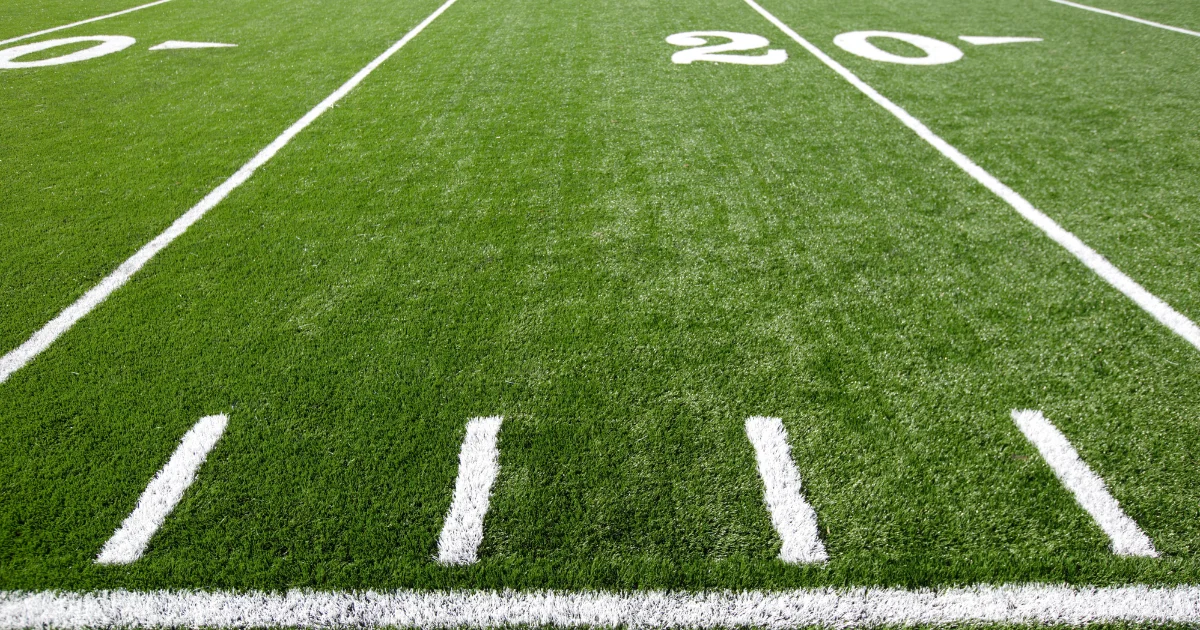
The word “turf” gets thrown around in landscaping, sports, and home improvement conversations all the time, but most people don’t stop to ask what it actually means. So what is turf? At its simplest, turf refers to the upper layer of soil bound together by grass and roots—or the synthetic alternative designed to replicate that look and function. Today, turf covers everything from sprawling natural lawns to high-performance synthetic systems used in backyards, sports fields, and commercial properties. Understanding the differences helps you make smarter choices for your space.
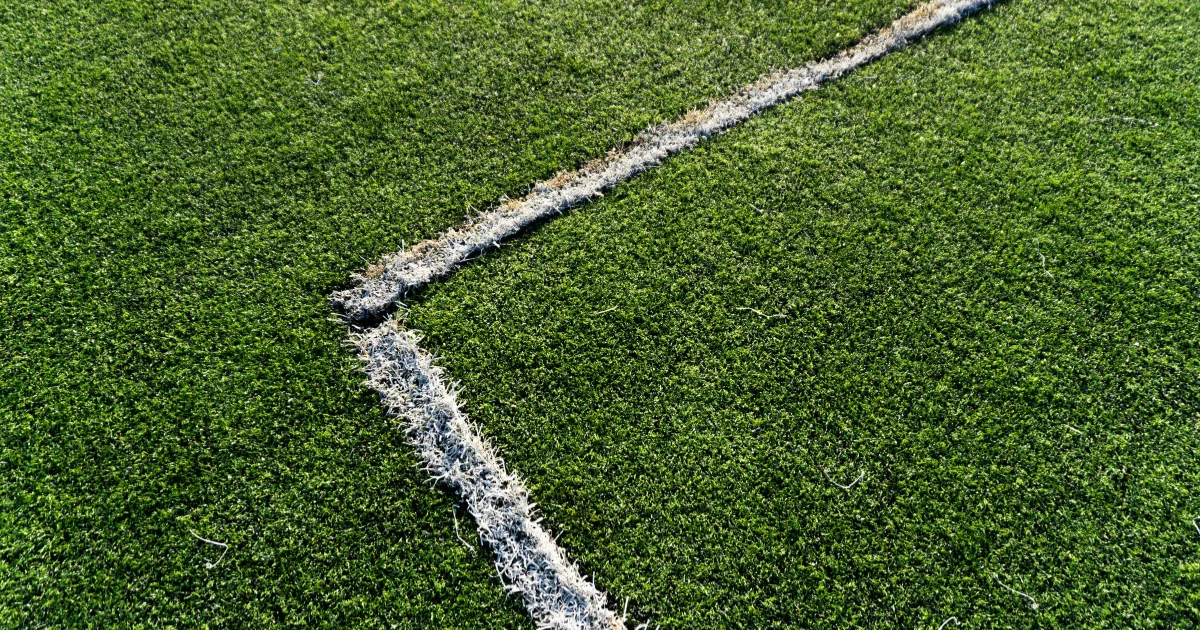
Defining Turf: The Basics
To answer what turf is in technical terms: it’s the surface layer of grass and the roots, soil, and matter just beneath it that hold the grass together as a continuous mat. In landscaping today, “turf” is also used as shorthand for any grass-like ground covering, whether grown naturally or manufactured.
Two broad categories define modern turf:
- Natural turf—Living grass grown from seed or laid as sod, requiring water, sunlight, mowing and fertilization
- Artificial turf—synthetic fibers designed to mimic the appearance and feel of natural grass without the upkeep
Both have a place in residential, commercial, and athletic landscaping. The right choice depends on climate, usage, budget, and how much maintenance the property owner is willing to commit to.
A Quick History of Turf
Natural turf has been used since humans started cultivating grasses for grazing and recreation, with formal lawn culture dating back to medieval European estates. Synthetic turf is a much newer invention, first developed in the 1960s for indoor sports stadiums where natural grass couldn’t survive.
Modern artificial turf bears little resemblance to those early versions. Today’s products use UV-stabilized polyethylene fibers, dual-layer backing, advanced infills, and realistic color blending to look and feel remarkably close to the real thing. The technology has improved enough that homeowners now choose turf for aesthetics, not just convenience.
Types of Turf and Their Common Uses
When people ask what turf is used for, the honest answer is just about anything green and flat. Different types of turf are engineered for very different applications.
| Turf Type | Primary Use | Key Features |
| Natural sod | Residential and commercial lawns | Living grass, requires irrigation and mowing |
| Hydroseed | Large-scale residential and commercial | Sprayed mixture of seed, mulch and fertilizer |
| Landscape artificial turf | Residential lawns, pool areas | Soft, realistic, low-maintenance |
| Pet-grade artificial turf | Backyards with dogs | Enhanced drainage, antimicrobial infill |
| Playground turf | Kids’ play areas | Shock-absorbing pad, fall-height rated |
| Sports turf | Athletic fields, putting greens | Durable fibers, infill for cleat traction |
| Commercial turf | Office parks, rooftops, medians | Heavy-traffic durability, UV resistance |
Choosing the right type of turf for your project is just as important as choosing turf over a non-grass alternative like concrete, mulch, or gravel.
The Pros and Cons of Natural Turf
Natural turf has a timeless appeal—there’s no real substitute for a perfectly cut, freshly watered lawn in spring. Living grass also comes with real, ongoing demands.
Advantages of natural turf:
- Cools the air around it through evapotranspiration
- Provides a natural ecosystem for pollinators and microorganisms
- Filters rainwater and reduces runoff
- Lower upfront installation cost than premium synthetics
Drawbacks to keep in mind:
- Requires regular mowing, watering, fertilizing and weeding
- Struggles in drought-prone or extreme climates
- Wears out quickly under heavy foot or pet traffic
- Can develop mud, bare patches, weeds and pest issues
In water-restricted regions like Southern California, the maintenance and irrigation demands of natural turf have pushed many homeowners and businesses toward synthetic alternatives.
The Pros and Cons of Artificial Turf
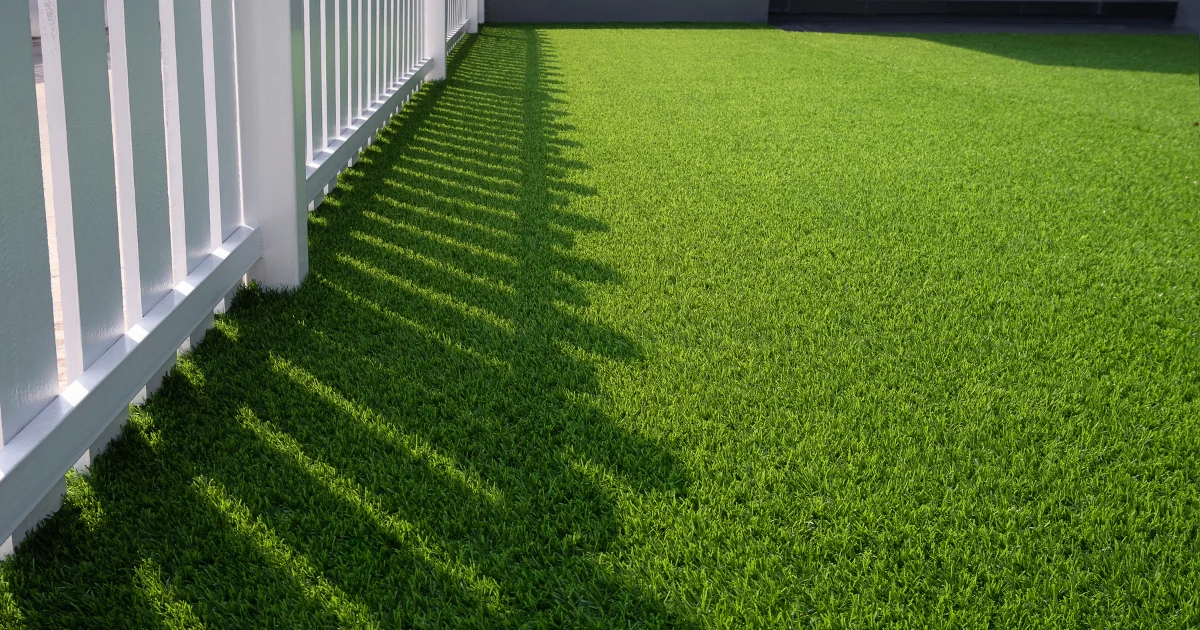
So what is turf made of when it’s synthetic? Modern artificial turf is built from layers: a stabilized base, perforated backing, blended polyethylene and polypropylene fibers, and an infill of sand, rubber, or organic alternatives. The result is a surface that looks like grass but performs more like flooring.
Advantages of artificial turf include:
- It stays green and full year-round, regardless of weather
- No mowing, watering, fertilizing or weeding required
- Holds up to heavy traffic, pets and kids
- Saves significant water and reduces long-term costs
- Provides a consistent, level surface for play and sports
Considerations to weigh:
- Higher upfront installation cost than basic natural lawn
- Can heat up in direct sun during hot weather
- Requires occasional cleaning and infill maintenance
- Eventually needs replacement after 15 to 25 years
For most homeowners weighing turf benefits over the long haul, the math on water savings, time savings, and consistent appearance tips strongly points toward synthetic turf—especially in arid climates.
What Goes Into a Quality Turf Installation
Whether you’re laying sod or installing artificial turf, the work that goes underneath matters as much as what shows on top. A bad install can ruin a premium product, and a great install can make even mid-range turf perform like high-end.
Key elements of a quality install:
- Site preparation—Removing old vegetation, leveling the area and addressing drainage issues
- Base layer — Compacted crushed rock or decomposed granite for stability and drainage
- Weed barrier—Fabric layer to prevent regrowth underneath
- Edging—Bender board or concrete to hold turf cleanly along borders
- Seam work—tight, glued or stitched seams that won’t separate over time
- Infill application — Properly distributed and brushed in for fiber support
Cutting corners on any of these steps shortens the lifespan of the install—sometimes by years. This is why most experts recommend professional turf installation over DIY for anything larger than a small accent area.
Where Turf Fits in Modern Landscaping
The role of turf in landscaping has evolved well beyond the standard front lawn. Designers now use turf for landscaping in creative ways across residential and commercial spaces.
Common applications include:
- Front and backyard lawns
- Pool surrounds and patio borders
- Rooftop terraces and balconies
- Pet runs and dog areas
- Backyard putting greens
- Playground surfacing
- Commercial entryways and medians
- Event venues and rental properties
Across all of these uses, the appeal is the same: a soft, green, finished look without the upkeep demands of living grass.
Turfing the Talk with GoTurf
Now that you have a clear answer to what turf is—and a sense of the different types, uses, and installation factors that matter—the next step is choosing the right product and partner for your space. GoTurf installs premium artificial turf systems across Orange County for residential, commercial, and pet-friendly applications, with expert site prep, drainage planning, and warranty-backed materials built to last. Whether you’re refreshing a tired backyard, designing a custom pet area or planning a commercial landscape, the GoTurf team can walk you through your options and design a system that fits your property and budget. Contact GoTurf today to schedule a free consultation and find out exactly what turf can do for your space.
FAQs
1. What is turf made of?
Natural turf is made of living grass, roots, and the layer of soil that holds them together. Artificial turf is made of UV-stabilized synthetic fibers — usually polyethylene and polypropylene — bonded to a perforated backing and supported by infill materials like sand or rubber. Quality synthetic turf systems also include a stabilized base layer beneath the visible surface.
2. What is the difference between natural turf and artificial turf?
Natural turf is living grass that requires water, sun, mowing, and fertilization to thrive. Artificial turf is a synthetic surface designed to look and feel like grass without ongoing maintenance. Natural turf typically costs less upfront, while artificial turf delivers long-term savings on water, time, and replacement.
3. How long does turf last?
Natural turf can last indefinitely with proper care, though individual patches often need overseeding or replacement every few years. Quality artificial turf lasts 15 to 25 years with proper installation and basic maintenance. Heavy-use areas and pet zones may see slightly shorter lifespans.
4. Is artificial turf safe for pets and kids?
Yes, modern artificial turf is specifically engineered to be safe for both. Pet-grade turf uses antimicrobial infills and enhanced drainage, while playground turf includes shock-absorbing pads rated for fall heights. Always confirm the product is non-toxic and lead-free with your installer before purchase.
5. Do I need professional turf installation?
For anything beyond a very small accent area, professional installation is strongly recommended. Proper site prep, base compaction, drainage, and seam work directly impact how the turf performs and how long it lasts. A poor install on a premium product can fail faster than a good install on a basic one.