
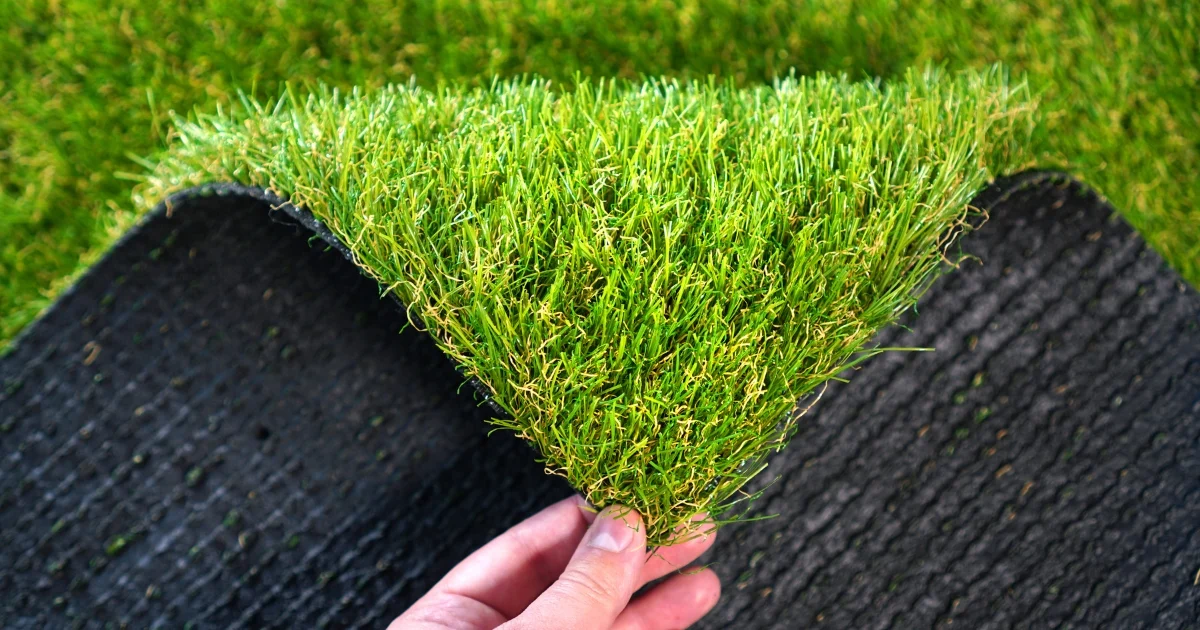
Choosing the right lawn for your Southern California property starts with understanding the materials beneath your feet. When homeowners ask, “What is artificial turf made of?” the answer begins with three essential layers—backing, blades, and infill—that work together to create a durable, realistic surface. Each component plays a critical role in how your turf looks, feels, and performs over decades of use. Understanding these materials helps you select products that handle intense sun, heavy foot traffic, and the unique demands of Orange County’s climate.
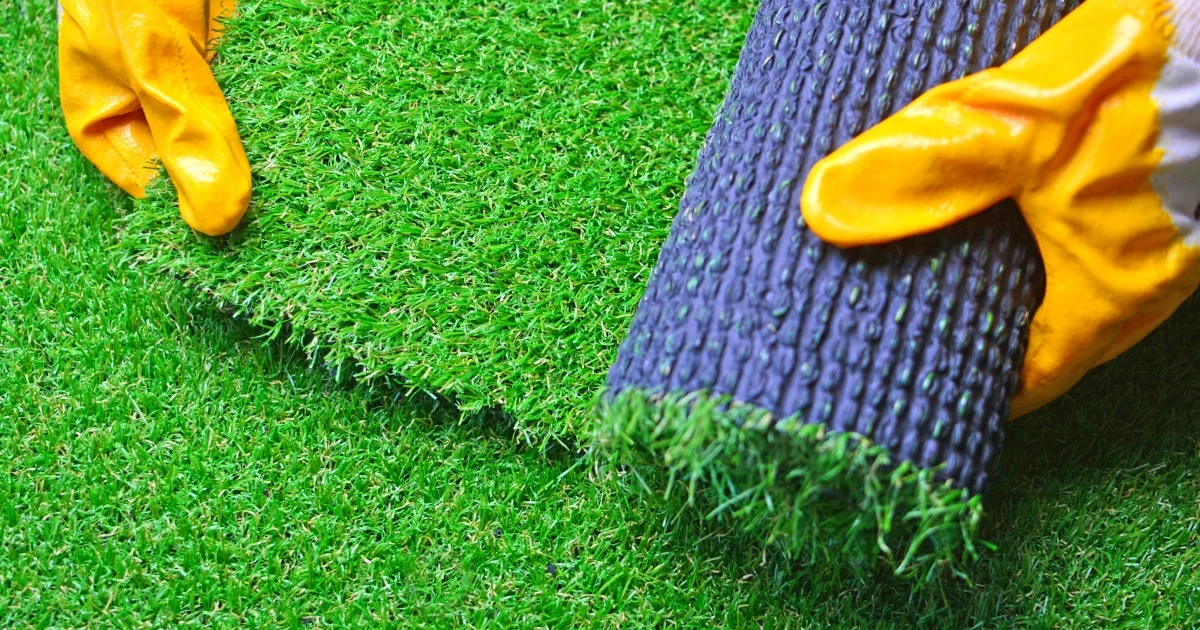
The Three Essential Layers That Make Up Artificial Turf
What is artificial turf made of at its core? Every quality synthetic lawn consists of three distinct layers that work in harmony. The backing layer forms the foundation, typically constructed from polyurethane or latex materials with perforations spaced every few inches.
The turf blade fibers create the grass-like appearance you see and feel underfoot. Manufacturers extrude these synthetic turf components from polymer resins, shaping them into flat or textured blades with varying heights and colors. Quality products blend multiple shades of green with brown or tan thatch layers, mimicking the natural color variation found in living grass.
Infill materials settle between the blades, providing ballast and support that keeps fibers standing upright. This layer adds weight to resist wind displacement while creating a cushioned surface that feels natural underfoot. The infill also helps regulate surface temperature and manages moisture around the root zone. Together, these three layers create a complete system where each component enhances the performance of the others.
Synthetic Turf Fiber Materials and Their Performance Characteristics
The question of what is artificial turf made of often focuses on the visible blade fibers, which determine texture, durability, and heat retention characteristics. Three primary materials dominate the residential market, each offering distinct advantages for different applications and budgets. Selecting the right fiber type for your climate and usage patterns ensures optimal performance throughout your lawn’s lifespan.
- Polyethylene turf: The most popular choice for residential lawns, polyethylene fibers deliver soft texture and realistic appearance at moderate price points. This material resists UV degradation while maintaining flexibility in both hot and cool temperatures, making it ideal for Southern California’s year-round outdoor living.
- Polypropylene: Budget-conscious property managers often choose polypropylene for temporary installations or low-traffic commercial areas. While less expensive upfront, this material shows faster wear patterns and offers less heat resistance than premium alternatives.
- Nylon: Premium installations demanding maximum durability benefit from nylon’s exceptional resilience. This material bounces back from compression better than other options and withstands extreme temperatures without degrading, though it carries a higher initial investment.
- Blended fibers: Many manufacturers combine materials to balance performance and cost, using nylon for high-traffic zones while incorporating polyethylene for softness and visual appeal.
Comparing polyethylene vs polypropylene turf helps homeowners make informed decisions based on their specific needs. Polyethylene maintains its color and texture through years of intense sun exposure, while polypropylene may fade or flatten more quickly in high-heat environments. Nylon artificial turf durability makes it the preferred choice for sports fields and pet areas where resilience matters most.
Heat retention varies significantly across fiber types, a critical consideration for best artificial turf materials for hot climates. Lighter-colored pigments and certain polymer formulations reflect more sunlight, reducing surface temperatures by noticeable margins.
| Fiber Material | Best Applications | Expected Lifespan |
|---|---|---|
| Polyethylene | Residential lawns, pet areas, play spaces | 15–20 years with proper maintenance |
| Polypropylene | Temporary installations, putting greens, low-budget projects | 5–10 years in moderate climates |
| Nylon | Sports fields, high-traffic commercial areas, premium residential | 20 or more years with exceptional resilience |
| Blended Fibers | Custom applications balancing durability and softness | 12–18 years depending on blend ratio |
Backing Systems and Infill Options That Impact Your Turf’s Lifespan
The foundation of any quality installation begins with properly engineered artificial grass backing layers. Primary backing consists of woven or non-woven polypropylene fabric that holds individual turf blades in place during the tufting process. Manufacturers then apply a secondary backing layer—typically polyurethane or latex—that locks the blades permanently while adding structural integrity. This dual-layer construction prevents delamination and blade pull-out even under heavy use.
Drainage capabilities depend entirely on backing perforation patterns and hole density. Quality products feature strategically placed drainage points that channel water away from the surface while maintaining structural strength. Some backing systems incorporate antimicrobial treatments that inhibit bacterial growth, particularly beneficial for pet areas.
What is turf infill? This layer reveals a critical performance factor. Silica sand remains the most common infill choice, providing excellent drainage and blade support at economical price points. Rounded sand particles reduce blade abrasion while allowing water to percolate freely through the profile. Antimicrobial infill options incorporate zeolite or other mineral treatments that neutralize odors and reduce bacterial growth, making them ideal for households with multiple pets.
Infill depth and distribution directly affect warranty coverage from reputable manufacturers. Insufficient infill allows blades to lay flat, creating an unnatural appearance and accelerating wear patterns. Overfilling restricts drainage and creates an overly firm surface. Professional installers calculate precise infill quantities based on blade height, backing type, and intended use, ensuring optimal performance throughout the product’s lifespan.
How Manufacturing Quality Affects Long-Term Performance
How is synthetic grass manufactured? Understanding this reveals quality differences that impact long-term performance. The extrusion and tufting techniques determine final product quality and durability. Premium manufacturers use virgin polymers rather than recycled materials, ensuring consistent color and performance characteristics. Extrusion temperatures, cooling rates, and UV stabilizer concentrations all influence how well finished products resist fading and degradation.
Backing adhesion strength separates quality products from budget alternatives. Manufacturers test pull strength to ensure blades remain anchored through years of foot traffic and weather exposure. These manufacturing details rarely appear in product descriptions but significantly impact real-world performance.
| Infill Type | Primary Benefits |
|---|---|
| Silica Sand | Excellent drainage, blade support, cost-effective for most climates |
| Rounded Sand | Reduced blade wear, softer feel, ideal for play areas |
| Antimicrobial Zeolite | Odor control, bacteria reduction, premium pet-friendly option |
| Cooling Infill | Temperature reduction, enhanced comfort in hot climates like Southern California |
Climate-Specific Material Considerations for Orange County Installations
Southern California’s intense sun and minimal rainfall demand specific material choices for optimal performance. Products designed for cooler, wetter climates may not deliver the same results in Huntington Beach, Mission Viejo, or Anaheim. UV stabilizers become critical components in polymer formulations, protecting against the color fading and fiber degradation that occurs under constant sun exposure. Lighter blade colors and reflective pigments help manage surface temperatures, making lawns more comfortable for barefoot use during summer months.
Drainage requirements differ significantly from regions with regular rainfall. While backing perforation remains important for occasional storms, Orange County installations benefit more from infill materials that don’t retain moisture or promote bacterial growth in dry conditions.
Premium Turf Built to Last at Go Turf Artificial Grass and Pavers
Now that you know what artificial turf is made of—from polymer fiber types to backing systems and infill materials—you can make informed decisions about your outdoor investment. The right combination of fiber type, backing system, and infill materials creates lawns that stay beautiful and functional for decades. Climate-specific recommendations ensure your installation handles Southern California’s unique weather patterns while delivering the performance you expect. Go Turf Artificial Grass and Pavers provides complete material transparency, helping homeowners throughout Orange County select products perfectly matched to their needs and budget. Our team explains exactly what goes into every installation, from polymer composition to infill selection, ensuring you understand the value behind your investment. Contact us today for a consultation where we’ll recommend climate-appropriate materials that deliver lasting beauty and performance for your Anaheim, Mission Viejo, or Huntington Beach property.
FAQs
Homeowners considering synthetic lawns often have specific questions about artificial grass materials, performance, and longevity. These answers address the most common concerns about artificial turf components and their real-world impact on your Orange County property.
1. What is the most durable material for artificial grass?
Nylon offers the highest durability rating and can withstand heavy foot traffic and extreme temperatures. However, polyethylene provides an excellent balance of durability and softness for most residential applications.
2. Is polyethylene or polypropylene better for artificial turf?
Polyethylene is superior for residential lawns due to its soft texture, realistic appearance, and better heat resistance. Polypropylene is more budget-friendly but less durable and typically used for temporary installations or low-traffic areas.
3. What type of infill is best for artificial grass?
Silica sand and rounded sand infill provide excellent drainage and blade support for most climates. Antimicrobial infill options with zeolite or other cooling technologies work best in hot climates or for pet areas.
4. How does artificial turf backing affect drainage?
Perforated polyurethane or latex backing features evenly spaced drainage holes that allow water to flow through quickly, preventing pooling even during heavy rainfall.
5. Does nylon artificial turf get hotter than polyethylene?
Nylon actually retains less heat than polypropylene but slightly more than polyethylene. Modern nylon turf often includes cooling technology and lighter color pigments to reduce surface temperatures in hot climates.