
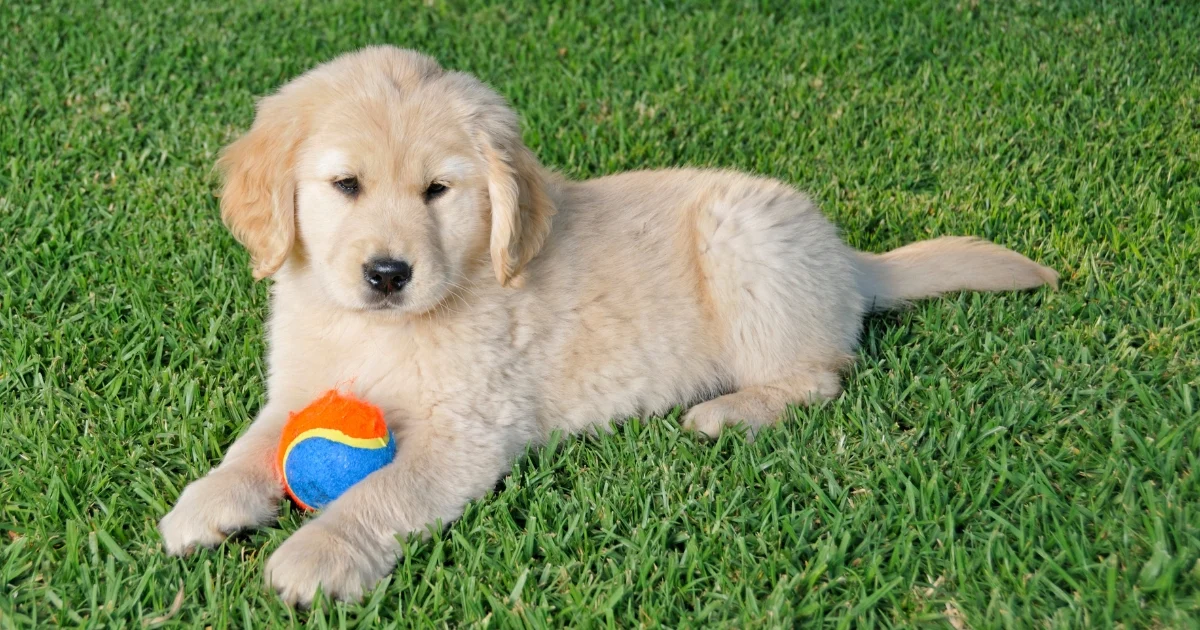
Dog owners across Southern California know the struggle all too well: muddy paws tracked through the house after every rain, patchy brown spots where urine has killed the grass, and weekends spent reseeding and repairing a yard that never quite looks healthy. Natural lawns and dogs rarely coexist peacefully, leaving homeowners frustrated with constant maintenance and yards that look worse despite their best efforts.
The right artificial turf transforms this frustrating reality into a clean, safe outdoor space your dogs will love while eliminating the maintenance headaches. Modern artificial turf designed for pets is engineered specifically to handle everything dogs dish out — from digging and playing to bathroom breaks — while staying green, odor-free, and comfortable year-round. Choosing the best turf for dogs means understanding which features truly matter for your pet’s safety and your yard’s longevity, and how different products address the unique challenges dog owners face in Orange County, Huntington Beach, Mission Viejo, and throughout Southern California.
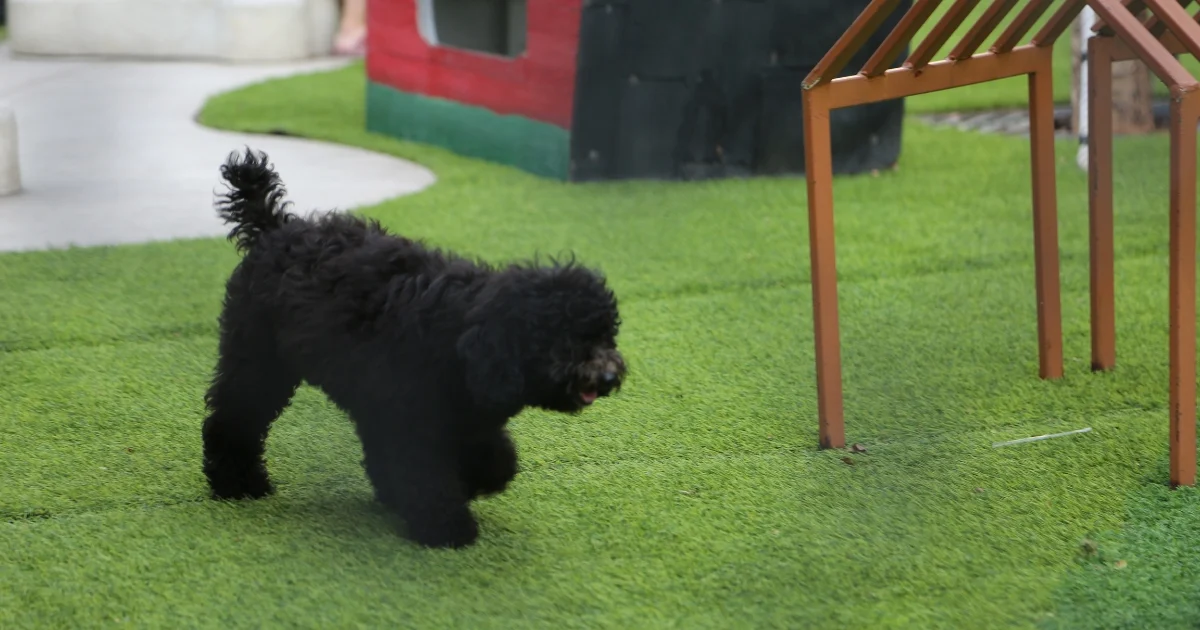
What Makes Artificial Turf Safe and Comfortable for Dogs
Safety starts with materials, and non-toxic turf for dogs uses certified lead-free components that meet rigorous safety standards for residential use with animals.
Artificial grass drainage for pets requires high perforation rates to prevent urine from pooling on the surface, where it creates odors and bacterial growth. The backing should feature drainage holes combined with a proper base installation that includes decomposed granite or crushed rock to channel liquids away efficiently. Without adequate drainage, even the highest-quality turf becomes a smelly, unsanitary surface within months.
Artificial grass that stays cool for dogs incorporates heat-reflective blade technology and specialized cooling infill that significantly reduces surface temperatures, making summer play safer and more comfortable.
Key Features to Look for in Dog-Friendly Artificial Grass
Not all artificial turf handles pet use equally. The best turf for your pet includes specific features engineered to withstand the unique wear patterns and hygiene challenges that come with canine companions.
- UV-stabilized fibers that resist fading, brittleness, and premature wear after years of sun exposure
- Lead-free, non-toxic materials that are safe for pets that roll, play, or occasionally chew on the grass
- Strong tuft bind that keeps blades securely anchored, reducing fiber shedding in high-activity areas
- Reinforced edge construction that helps prevent lifting or fraying along seams and borders over time
- Cushioned underfoot feel that provides a more comfortable surface for running, playing, and resting compared with harder installations
- Manufacturer warranties that specifically cover pet use, providing added confidence that the turf is designed for households with dogs
Antimicrobial backing is a critical innovation in dog urine-resistant turf, creating an environment where bacteria cannot thrive even when exposed to pet waste repeatedly. When evaluating the best artificial grass infill for dog urine, prioritize zeolite or antimicrobial-coated products that neutralize ammonia rather than standard silica sand.
Shorter pile heights work better for pet areas than longer blades, as they resist matting and make waste removal easier. Products with a mix of blade widths and textures look more natural while providing better resilience against constant paw traffic.
| Feature | Why It Matters for Dogs | What to Look For |
|---|---|---|
| Drainage Rate | Prevents urine pooling and odor buildup | High drainage rates for efficient waste removal |
| Infill Type | Neutralizes ammonia and controls temperature | Zeolite or antimicrobial-coated options |
| Pile Height | Affects waste removal ease and durability | Shorter heights for pet areas |
| Face Weight | Determines resilience under heavy use | Higher density for durability |
Matching Turf to Your Dog’s Behavior and Activity Level
When evaluating the best turf for your pet, consider how different dog behaviors impact your turf choice. Diggers require special edge-securing considerations, while chewers and multiple-dog households each present unique challenges. Dogs that love to excavate need turf with reinforced edges and a properly secured perimeter. The installation should include landscape staples or stakes placed closely around borders, and the turf should extend slightly beyond the visible area to prevent dogs from getting under the edges. Some installers bury the perimeter several inches deep for determined diggers.
Dog size and activity level determine which specifications make the best turf for dogs in your household. Small dogs can thrive on products in the mid-grade category with moderate face weight, while large breeds need options rated for heavy-duty use that resist compression and tearing. Active dogs that run and play vigorously require different features than senior dogs who primarily use the yard for bathroom breaks.
Installation Considerations for Long-Term Performance
Even the highest-quality pet-friendly artificial grass fails prematurely without proper installation. The base layer is the foundation of effective drainage — crushed rock or decomposed granite compacted to create a stable, permeable surface that channels liquids away efficiently.
Edge securing prevents the lifting and separation that invites digging behavior. Professional dog potty area turf installation includes perimeter nailing every 4–6 inches, with seams secured using turf tape and adhesive rated for outdoor use. For households with persistent diggers, burying the turf edge several inches below grade creates an impenetrable barrier. Skipping these installation details to save money upfront leads to expensive repairs within the first year — proper installation is not optional for pet applications.
Maintenance and Cleaning Protocols That Keep Turf Fresh
Knowing how to clean dog urine from artificial turf is essential for maintaining a fresh, odor-free yard year-round. Daily maintenance is simple: remove solid waste promptly and rinse urine spots with a garden hose to dilute and flush liquids through the drainage system. Weekly deep cleaning with equal parts water and white vinegar prevents odor buildup. Monthly brushing with a stiff broom lifts matted fibers and redistributes infill evenly.
| Maintenance Task | Frequency | Purpose |
|---|---|---|
| Rinse urine spots with hose | Daily | Flush waste through drainage system |
| Vinegar solution spray and rinse | Weekly | Neutralize ammonia and refresh antimicrobial protection |
| Brush fibers and redistribute infill | Monthly | Maintain appearance and prevent matting |
| Inspect drainage and edges | Monthly | Catch problems early before they become expensive |
| Professional deep clean | Annually | Remove accumulated debris and sanitize thoroughly |
Get a Yard Your Dogs Will Love at Go Turf Artificial Grass and Pavers
Your dogs deserve a yard that is as safe and comfortable as it is beautiful, and you deserve to stop fighting a losing battle against mud, dead grass, and endless maintenance. The best turf for your pet combines advanced drainage, antimicrobial protection, cooling technology, and durable construction to create an outdoor space that works for both pets and people. Professional installation of pet-engineered products delivers years of worry-free enjoyment.
Go Turf Artificial Grass and Pavers specializes in dog potty area turf installation throughout Orange County and surrounding Southern California communities. Our team helps you select the perfect product for your dogs’ specific needs, installs it with proper drainage and edge securing, and provides guidance on maintenance that keeps your yard fresh. Contact us today for a free consultation and estimate.
FAQs
Dog owners considering artificial turf often have similar questions about safety, maintenance, and long-term performance. Here are answers to the most common concerns about choosing and caring for the best turf for dogs.
1. How do you clean dog urine from artificial turf?
Rinse the area with water immediately after your dog urinates to dilute and flush waste through the drainage system. For deeper cleaning, use a mixture of equal parts water and white vinegar weekly, or invest in enzyme-based cleaners specifically formulated for pet-friendly artificial grass to eliminate odors and bacteria. Regular rinsing prevents ammonia buildup and keeps the surface fresh without requiring harsh chemicals that could harm your pets.
2. Will artificial grass get too hot for my dog’s paws?
Quality pet turf with heat-reflective technology stays significantly cooler than asphalt or concrete, though it can warm in direct sunlight during peak hours. Choose products with cooling infill and lighter blade colors, and provide shaded areas or rinse the turf with water during the hottest part of the day to keep surface temperatures comfortable for paws.
3. What type of infill is best for dog urine odor control?
Zeolite infill or antimicrobial-coated options work best for neutralizing ammonia from dog urine and preventing odor buildup. Avoid crumb rubber infill for pet areas, as it retains heat and does not offer odor-control properties. Specialized pet turf infill with natural odor absorbers costs more initially but delivers superior performance for dog owners who want a consistently fresh-smelling yard.
4. Can dogs dig through artificial turf?
While determined diggers may attempt to excavate, properly installed artificial turf with secured edges and adequate base preparation prevents most digging behavior. The turf itself is extremely durable, and many dogs lose interest in digging once they realize they cannot penetrate the surface. For persistent diggers, perimeter securing with landscape staples placed closely or burying edges creates a barrier that stops the behavior effectively.
5. How long does pet-friendly artificial grass last with dogs?
The best turf for dogs typically lasts well over a decade even with heavy dog use, significantly outlasting natural grass that requires constant reseeding and repair. Most manufacturers warranty their pet products for 10 years or more against normal wear.