
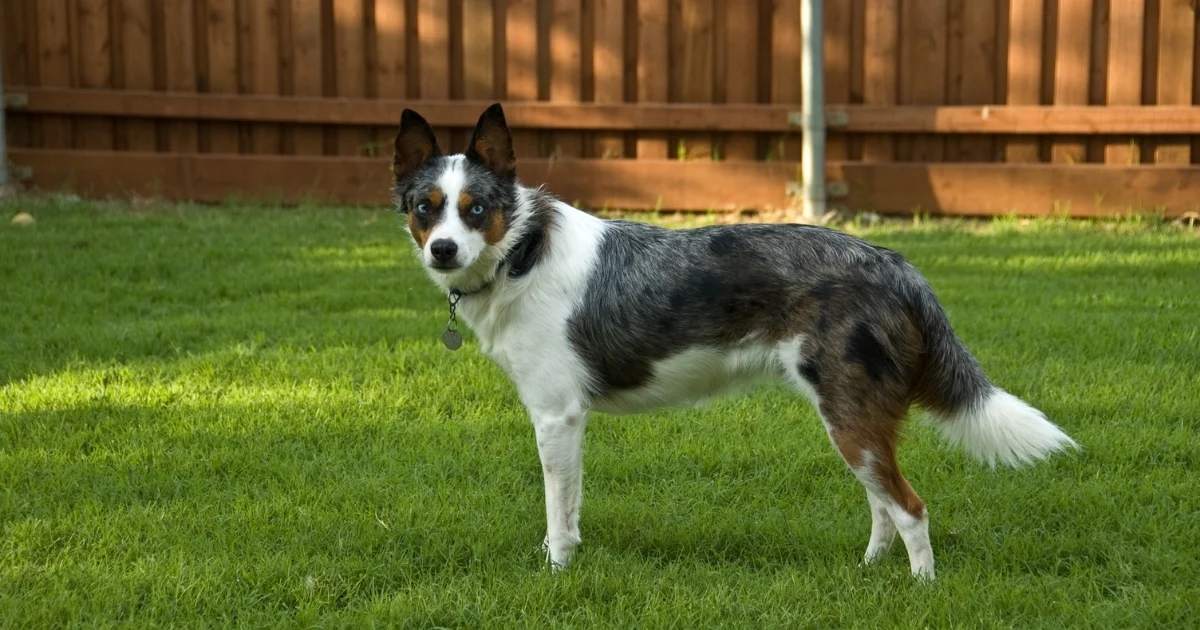
Muddy paws, patchy grass, and lingering odors are common complaints among Southern California dog owners who let their pets roam freely in the yard. Over time, heavy foot traffic from playful pups wears down natural turf, creates drainage issues, and leaves homeowners constantly reseeding or replacing damaged areas. A dedicated dog run for backyard spaces solves these problems by containing mess, protecting landscaping, and giving dogs a designated area to play, exercise, and relieve themselves without destroying the rest of your outdoor living space.
Modern backyard pet area design combines smart planning with durable materials to create a low-maintenance zone that stays clean, odor-free, and comfortable year-round. Whether you’re working with a compact side yard in Huntington Beach or a spacious property in Mission Viejo, the right surface and drainage solutions transform a simple enclosure into a functional, attractive feature that benefits both pets and homeowners. Pet-specific artificial turf has emerged as the go-to flooring choice, outperforming gravel, concrete, and natural grass in durability, cleanliness, and long-term value.
Why Artificial Turf Outperforms Traditional Dog Run Surfaces
When planning a dog run, determining “What is the best flooring for dog run installations?” requires comparing how different materials handle daily wear, drainage, and odor control. Natural grass may seem like the obvious choice, but it quickly becomes patchy and muddy under constant paw traffic, especially in Southern California’s dry climate where reseeding and watering become expensive ongoing tasks. Gravel offers decent drainage but traps waste, harbors bacteria, and can be uncomfortable for dogs to walk on. Concrete provides durability but retains heat, offers no cushioning, and can develop odor issues without frequent power washing.
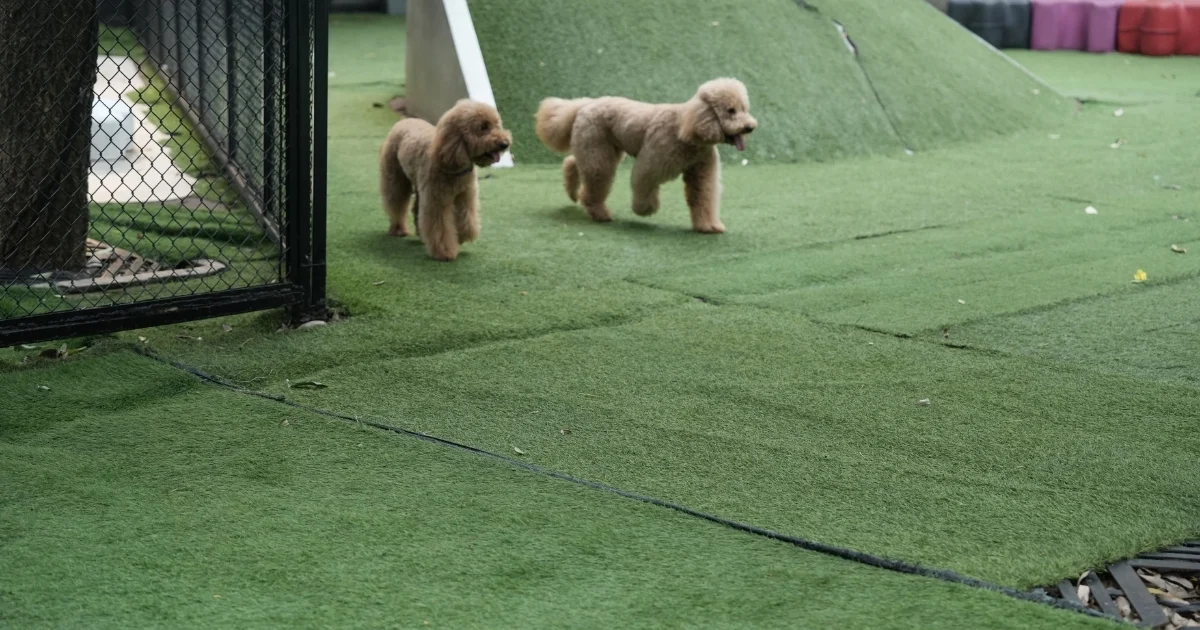
Artificial turf designed specifically for pets addresses all these shortcomings. Modern pet turf features perforated backing that allows urine to drain completely through the surface, preventing pooling and the bacterial growth that causes odors. The antimicrobial infill used in quality installations actively inhibits odor-causing bacteria, keeping your dog run for backyard areas fresh between cleanings. Unlike gravel that needs replacement every few years or grass that requires constant reseeding, artificial turf maintains its appearance and functionality for a 10- to 15-year lifespan with minimal maintenance.
| Surface Type | Best Use Case | Maintenance Level |
|---|---|---|
| Pet-Grade Artificial Turf | Primary potty area and full dog runs | Low – weekly rinse, monthly deep clean |
| Decomposed Granite | Budget-conscious secondary play areas | Medium – rake weekly, replace annually |
| Concrete with Epoxy Coating | Kennel floors requiring daily hosing | Medium – daily rinse, pressure wash monthly |
| Natural Grass | Large properties with rotational grazing | High – mow weekly, reseed seasonally |
Cost Comparison Over Time
While artificial turf requires higher upfront investment than gravel or grass seed, homeowners eliminate recurring costs for reseeding, fertilizer, increased water bills, and seasonal repairs. Over 10 years, the total cost of ownership favors artificial turf installations.
Essential Design Elements for Your Outdoor Dog Kennel Ideas
Proper sizing ensures your dog run provides adequate space for exercise and bathroom needs without wasting yard real estate. Small dogs under 25 pounds function well in runs as compact as 3 feet by 10 feet. When planning your dog run for backyard installation, measure your available space and account for fencing and perimeter borders. Medium breeds (25 to 50 pounds) need at least 5 feet by 15 feet to move comfortably. Large breeds over 50 pounds require minimum dimensions of 6 feet by 20 feet, with additional length beneficial for active dogs and multiple pets.
Dog run drainage solutions start with proper base preparation and slope. The foundation should include 3 to 4 inches of crushed rock or decomposed granite compacted to create a stable, permeable layer. This base should slope at 2% to 3% grade away from structures to ensure water flows toward drainage points rather than pooling. Perimeter borders made from treated lumber, concrete curbing, or metal edging contain the base material and prevent artificial turf edges from lifting. These borders also create a clean visual transition between the dog run and surrounding landscaping.
Fencing height depends on your dog’s size and jumping ability, with 4 feet sufficient for most small to medium breeds and 6 feet recommended for large or athletic dogs. Chain link remains the most economical fencing option, while vinyl-coated chain link or wood panels offer more attractive alternatives. Shade structures become essential in Southern California’s climate, where summer temperatures can make unshaded artificial turf uncomfortable. Shade sails, pergolas, or strategically placed umbrellas protect both the turf surface and your pets from excessive heat. Water access should be positioned in a shaded corner with a non-tip bowl or automatic waterer mounted to fencing.
Materials and Tools Checklist
- Artificial turf rolls sized to cover your planned dog run dimensions with 2-inch overlap for seaming
- Decomposed granite or crushed rock base material (3 to 4 inches depth)
- Commercial-grade weed barrier fabric to prevent vegetation growth
- Perimeter edging materials such as treated lumber, metal stakes, or concrete curbing
- Turf fasteners including galvanized nails or landscape staples every 6 inches along edges
- Optional shade sail or pergola materials for heat protection
- Installation tools: plate compactor, utility knife, landscape rake, shovel, carpenter’s level, seaming tape and adhesive, power broom
Step-by-Step: How to Build a Dog Potty Area with Proper Drainage
Base excavation sets the foundation for a successful DIY dog run with fake grass. Mark your planned area with stakes and string, then excavate to a depth of 4 to 5 inches below the desired finished grade. Remove all organic material including grass, roots, and topsoil, as decomposing vegetation creates uneven settling and drainage problems. Slope the excavated area at 2% to 3% grade, which translates to a 1/4-inch drop per foot of run length. This subtle slope is barely noticeable but ensures water moves efficiently toward drainage points.
Install weed barrier fabric across the base with 6-inch overlaps, then add crushed rock in 2-inch lifts, compacting each layer thoroughly. Proper compaction prevents settling that creates low spots where water pools. The final base surface should sit 1 inch below the surrounding grade to allow the artificial turf to finish flush with adjacent surfaces. Verify slope with a carpenter’s level, making adjustments before installing artificial turf in your dog run for the backyard.
Artificial turf for dogs installation requires attention to seaming direction and infill selection. Roll out turf with blade direction facing the primary viewing angle, typically toward the house or main yard area. If joining multiple sections, align blade direction consistently and use seaming tape with outdoor adhesive rated for high temperatures. Secure perimeter edges every 6 inches with galvanized nails or landscape staples, pulling turf taut to eliminate wrinkles. Spread pet-specific antimicrobial infill evenly, then brush against the grain to work material into the backing.
| Installation Phase | Time Required | Key Consideration |
|---|---|---|
| Excavation and Base Prep | 4-6 hours | Proper slope prevents standing water and odor buildup |
| Weed Barrier and Rock Base | 2-3 hours | Compact in lifts to avoid settling and low spots |
| Turf Installation | 3-4 hours | Align blade direction for consistent appearance |
| Infill Application and Brushing | 1-2 hours | Even distribution ensures odor control and blade support |
Turf Out Backyard Frustrations with Professional Installation at Go Turf Artificial Grass & Pavers
Creating a functional, attractive dog run for backyard spaces requires careful planning, quality materials, and proper installation techniques. Whether you choose a DIY approach or professional installation, artificial turf delivers unmatched durability, cleanliness, and long-term value compared to traditional surfaces. Southern California homeowners in Orange County, Huntington Beach, Mission Viejo, Anaheim, and surrounding communities trust Go Turf Artificial Grass & Pavers for expert guidance and professional installation that transforms outdoor spaces into low-maintenance pet paradises. Contact our team today to schedule a consultation and discover how custom artificial turf solutions can eliminate muddy paws, patchy grass, and persistent odors while giving your dogs a comfortable, safe space to play year-round.
FAQs
The following questions address common concerns regarding building a dog run in the backyard.
1. What is the best ground cover for dogs in a backyard run?
Artificial turf designed specifically for pets offers superior drainage, odor control, and durability compared to gravel, concrete, or natural grass. Modern pet turf includes antimicrobial infill and perforated backing that allows urine to drain completely while preventing bacterial growth. This combination keeps surfaces clean and odor-free with minimal maintenance, making it the preferred choice for dedicated dog areas.
2. How much does it cost to build a DIY dog run with fake grass?
A 10-by-20-foot artificial turf dog run typically costs $800 to $1,500 for materials including turf, base rock, weed barrier, edging, and infill. Professional installation adds $500 to $1,200 but ensures proper drainage, slope, and seaming that maximize longevity. Over a 10-year lifespan, professional installation often proves more cost-effective by preventing premature replacement due to drainage failures or improper base preparation.
3. What are the best dog run drainage solutions to prevent odors?
Proper drainage starts with a 3- to 4-inch crushed rock base sloped at 2% to 3% grade, topped with artificial turf featuring perforated backing. This layered system allows urine to flow through the turf, through the base rock, and into the soil below rather than pooling on the surface. Antimicrobial infill and regular enzyme treatments further prevent odor-causing bacteria from establishing in the turf fibers.
4. How do I maintain pet turf in an outdoor dog kennel?
Daily spot cleaning removes solid waste immediately, while weekly hosing rinses away urine salts and prevents buildup. Apply enzyme-based pet turf cleaner monthly to break down organic compounds that cause odors, and brush fibers quarterly to maintain blade position and redistribute infill. This routine typically requires 15 to 20 minutes per week and keeps artificial turf fresh and functional for 10 to 15 years.
5. Can I build a dog run on a sloped backyard?
Yes, slopes actually improve drainage in dog runs by naturally directing water away from the surface. Gentle slopes up to 10% work perfectly with artificial turf installations that follow natural grade contours. For steeper slopes in your dog run for backyard, terracing with retaining walls creates level sections while maintaining drainage benefits.