
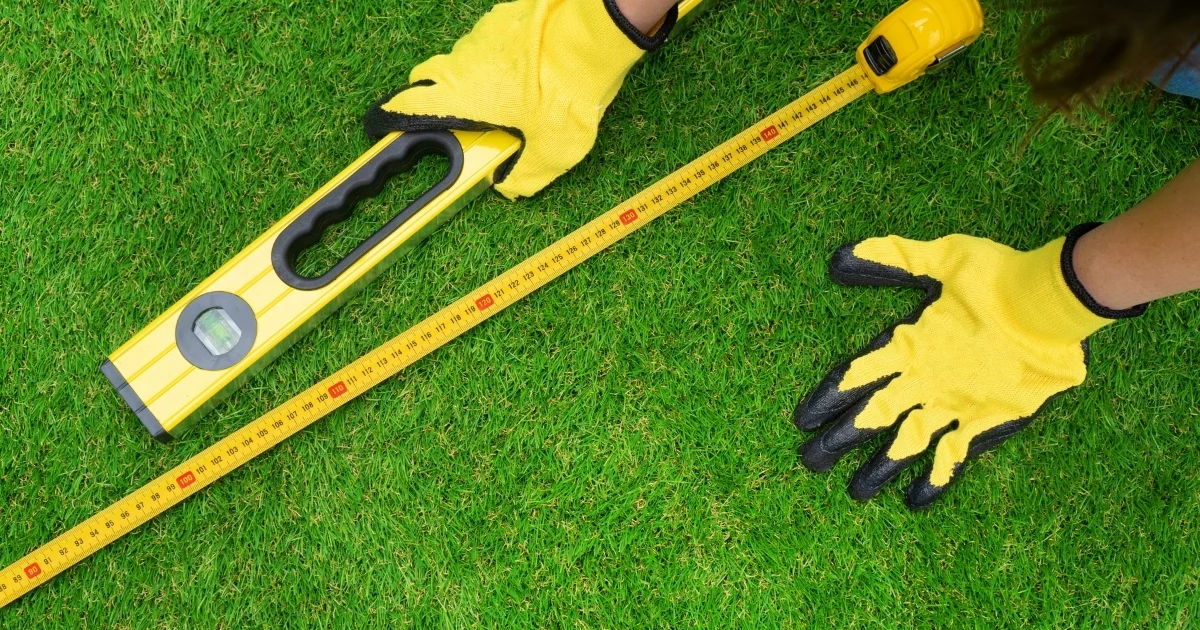
A significant share of DIY artificial grass projects experience issues within three years, and the culprit is almost always what happens below the surface. While the process of installing artificial grass may appear straightforward—roll it out, secure the edges, add infill—the reality is that professional installations lasting two decades rely on meticulous base preparation and drainage engineering that most homeowners never see. The difference between a lawn that looks great for a season and one that remains flawless for 20 years comes down to the hidden foundation work that separates weekend projects from contractor-grade results.
This guide reveals the techniques that professional installers use to build artificial turf systems that withstand Southern California’s unique climate challenges, from intense summer heat to occasional heavy rains. Whether you’re weighing professional turf installation vs DIY or simply want to understand what you’re paying for when you hire a contractor, understanding these fundamentals will help you make an informed decision that protects your investment for years to come.
Why Base Preparation Determines Your Artificial Turf’s Lifespan
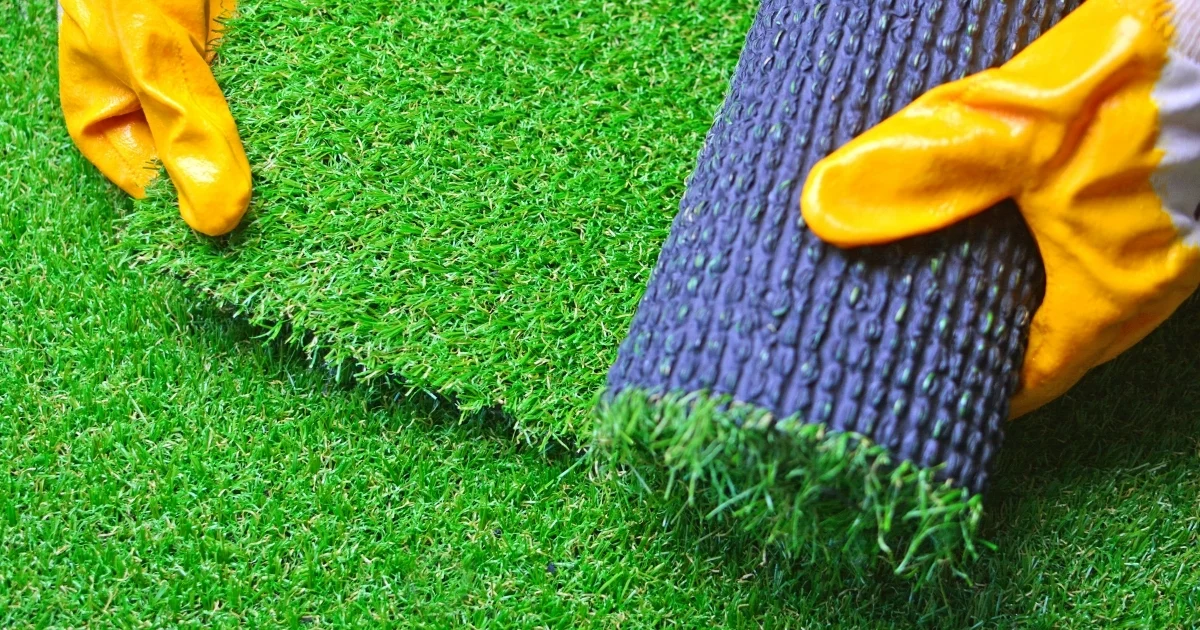
Professional installers build artificial turf systems using a three-layer foundation: compacted native soil, a crushed aggregate base, and a thin leveling layer of sand or decomposed granite. The compacted soil provides a stable platform that resists settling. The aggregate base—typically three to four inches of Class II road base—creates the drainage pathway and structural support. The top leveling layer ensures a smooth, uniform surface for the turf backing to rest against. Skip any of these layers or execute them poorly, and you’ll see problems within months.
- Base material selection: Class II road base (¾-inch-minus crushed aggregate) compacts tightly while maintaining permeability; decomposed granite works in some Southern California regions but lacks the structural integrity for high-traffic areas
- Depth requirements: Minimum three inches of aggregate base for residential lawns, four inches for play areas or commercial applications, with an additional half-inch leveling layer
- Compaction equipment: Plate compactors weighing more than 200 pounds achieve proper density; smaller hand tampers and rental units under 150 pounds leave bases too loose
- Moisture content: Aggregate should be slightly damp during compaction—too dry, and it won’t bind; too wet, and it becomes unstable
- Edge restraint timing: Install bender board or other edging after base compaction but before turf placement to maintain clean perimeter lines
- Geotextile fabric: Required when installing over clay soil or areas with poor natural drainage to prevent base migration into subsoil
Drainage Requirements That Prevent Costly Water Damage
Quality artificial turf products drain water at rates exceeding 30 inches per hour, but installing artificial grass with proper drainage requires more than just permeable backing. The base construction must create a pathway for water to move away from the surface and into the surrounding soil or drainage system. Professional installers grade every installation with a minimum 2% to 3% slope—that’s a quarter-inch drop for every foot of horizontal distance—to ensure water flows off the turf rather than pooling in low spots.
In areas with clay soil or poor percolation, contractors integrate French drains—perforated pipes surrounded by gravel—that channel water to appropriate drainage points. Site assessments identify problem areas through percolation tests or observation of natural water collection patterns. Understanding artificial grass drainage requirements becomes critical for long-term performance.
| Drainage Scenario | Required Solution | Cost Impact |
|---|---|---|
| Well-draining sandy soil, flat grade | Standard aggregate base with proper slope | Standard pricing |
| Clay soil or hardpan layer | Geotextile fabric plus French drain system | Add $2 to $4 per square foot |
| Slope greater than 10% | Terracing or retention systems, enhanced edge restraint | Add $3 to $6 per square foot |
| Low-lying area with poor natural drainage | Raised base with perimeter drainage and sump connection | Add $4 to $8 per square foot |
How to Prepare Ground for Artificial Turf: The Professional Sequence
When DIY Makes Sense and When to Call the Pros
DIY turf installation steps can work well for small, flat areas under 500 square feet with good natural drainage and simple rectangular shapes. A small side yard, a dog run, or a putting green on level ground represents the ideal DIY scenario—limited excavation, straightforward base preparation, and minimal seaming.
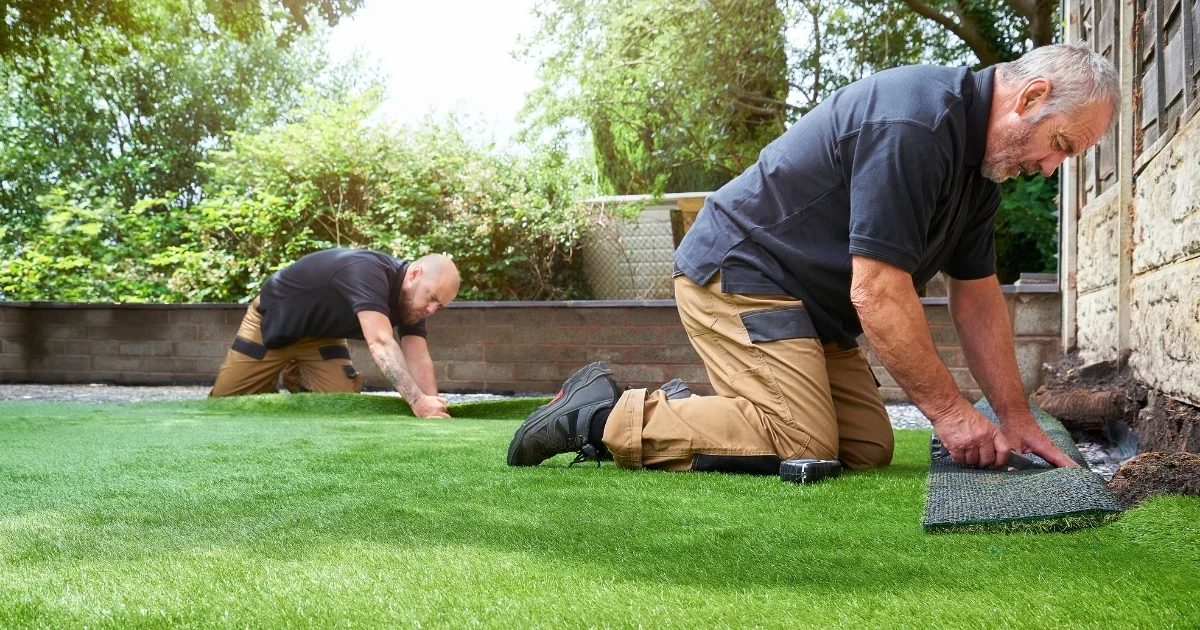
Professional installation becomes the better choice for areas exceeding 500 square feet, properties with slopes greater than 5%, locations with poor drainage or clay soil, and projects requiring multiple seams or complex cuts around hardscaping. High-traffic areas like play spaces or main lawns also benefit from professional installation because the consequences of base failure are more significant. The cost difference between DIY and professional installation narrows considerably once you factor in equipment rental, disposal fees, and the risk of costly mistakes that require reinstallation.
Artificial Turf Installation Cost: What You’re Really Paying For
The cost of installing artificial grass professionally ranges from $12 to $20 per square foot for residential projects, with the variation reflecting turf quality, site complexity, and regional labor rates. That price includes all materials, equipment, labor, debris removal, and typically a warranty covering both materials and workmanship for five to 10 years. The warranty alone provides significant value—if drainage problems develop or seams separate due to installation errors, the contractor returns to correct the issue at no additional cost.
DIY installations require 4–7 days for beginners versus 1–3 days for professional crews. Reinstalling turf placed over an inadequate base can cost as much as the original installation, making professional expertise a value proposition beyond labor savings alone.
| Installation Approach | 500 Sq Ft Project Cost | Time Required |
|---|---|---|
| DIY (materials only, no equipment) | $3,000 to $6,000 | 4–7 days |
| DIY (materials plus equipment rental and disposal) | $5,000 to $7,500 | 4–7 days |
| Professional installation (standard conditions) | $6,000 to $10,000 | 1–3 days |
| Professional installation (complex drainage or slope) | $8,000 to $12,000 | 2–4 days |
Get It Done Right From the Ground Up at Go Turf Artificial Grass & Pavers
The difference between artificial grass that looks great for a few years and a lawn that remains flawless for decades comes down to the foundation work that happens before the turf ever touches the ground. Go Turf Artificial Grass & Pavers brings more than 15 years of specialized experience in synthetic grass base preparation throughout Orange County and surrounding Southern California communities, with warranty-backed workmanship that protects your investment. Every installation begins with a thorough site assessment that evaluates drainage conditions, soil composition, and project complexity—identifying potential issues before they become expensive problems. Schedule your free consultation today and receive a detailed installation plan with transparent pricing and no obligation. Whether you’re replacing a water-hungry lawn in Huntington Beach or creating a pet-friendly space in Mission Viejo, professional installation ensures your artificial turf delivers the performance and longevity you expect.
FAQs
The following questions address common concerns regarding installing artificial grass.
1. How long does professional artificial grass installation take compared to DIY?
Installing artificial grass professionally typically takes 1–3 days for residential projects depending on size and site complexity. DIY installations often require 4–7 days for first-time installers due to the learning curve associated with proper base preparation, compaction techniques, and seam joining.
2. What type of base material works best for artificial turf installation?
Class II road base, which consists of ¾-inch-minus crushed aggregate, is the professional standard because it compacts to a stable, dense surface while maintaining excellent drainage characteristics. Decomposed granite can work in some Southern California regions, but it lacks the structural integrity needed for high-traffic areas. Avoid sand-only bases, which shift and settle unevenly over time, creating low spots and drainage problems.
3. Can artificial grass be installed directly over concrete or existing lawn?
You can install artificial turf over concrete with appropriate shock-absorbing padding. However, placing turf over existing lawn is not recommended because organic material decomposes over time, creating uneven surfaces and drainage problems. Professional installers always excavate to proper depth and build a stable aggregate base that provides long-term performance.
4. How much does professional artificial grass installation cost compared to DIY approaches?
DIY material costs range from $6 to $12 per square foot, but equipment rental, disposal fees, and time investment add significantly to the total expense. Professional installation pricing typically costs $12 to $20 per square foot but includes warranties, proper drainage engineering, and eliminates the risk of costly mistakes that require complete reinstallation. For projects exceeding 500 square feet or sites with drainage challenges, professional installation often provides better value when all factors are considered.
5. What are the most common mistakes when installing artificial grass yourself?
The five costliest common artificial grass installation mistakes are inadequate base depth—using 2 inches instead of the required 3–4 inches, insufficient compaction from using equipment that lacks proper force or making too few passes, poor drainage planning that leads to water pooling, incorrect selection of the best infill for artificial turf or insufficient quantity that leaves turf blades unsupported, and improper seam techniques with inadequate fastening that allows separation within months. These errors account for the majority of DIY installations that fail prematurely and require professional correction.