
If you’ve been researching artificial turf for your Southern California property, you’ve probably encountered wildly different price quotes online—ranging from $5 to $20 per square foot with little explanation of what drives those differences. The truth is, answering the question “How much does it cost to install turf?” requires looking beyond generic averages to the specific factors that impact your unique project. From the quality of materials to site preparation challenges, every installation tells a different pricing story.
This guide breaks down real project costs from actual installations across Orange County and surrounding communities, giving you transparent insight into what homeowners actually pay. We’ll walk through the line-item expenses that make up your total investment, identify hidden costs that catch many property owners off guard, and show you how different project types—from small pet areas to full backyard transformations—affect your final budget. By the end, you’ll have the knowledge to plan your artificial grass project with confidence.
Breaking Down Artificial Turf Installation Cost Per Square Foot
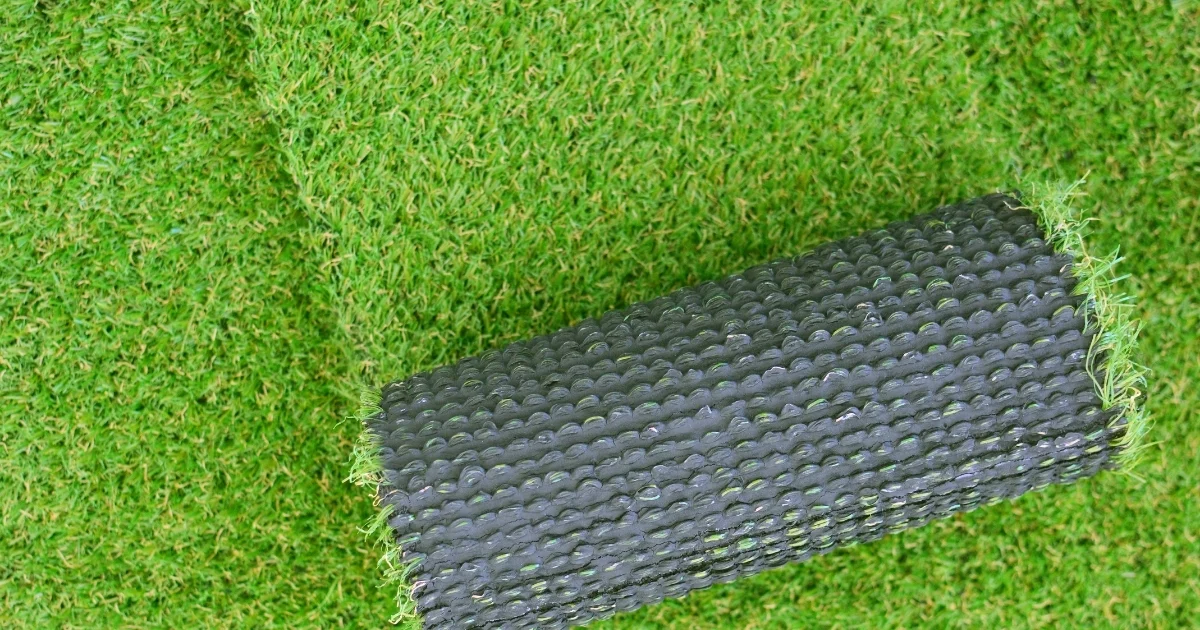
The artificial turf installation cost per square foot varies significantly based on material quality, with three distinct tiers available to homeowners: economy-grade ($5–$8 per square foot), mid-grade ($8–$12 per square foot), and premium ($12–$20 per square foot), with higher prices delivering better durability and a more realistic appearance. Mid-grade options feature improved drainage and more natural aesthetics that work well for most residential applications, while premium synthetic grass delivers the most realistic look, superior UV resistance, and specialized features like antimicrobial infill for pet owners.
Professional installation pricing includes far more than just the turf material itself. Your total synthetic grass cost breakdown encompasses base preparation (excavation and grading), weed barrier installation, crushed rock or decomposed granite base material, the turf itself, infill material (silica sand or specialized options), seaming and securing, and skilled labor.
When evaluating how much it costs to install turf for different property sizes, square footage significantly impacts per-unit pricing due to economies of scale. Small projects under 200 square feet often carry higher per-square-foot costs because installers must still bring equipment and crews for a half-day job. Projects from 300–800 square feet typically offer the best value, while installations exceeding 1,000 square feet may qualify for volume discounts.
Real Project Cost Breakdowns: What Homeowners Actually Pay for Turf Installation
Examining actual project costs provides far more useful guidance than generic ranges. These anonymized examples from recent Southern California installations show how different variables affect final pricing:
- Why pet areas cost more per square foot despite being smallest: antimicrobial infill and drainage layers built specifically for pet waste add cost that a standard lawn install doesn’t need, even on a small footprint.
- What pushed the Anaheim project beyond turf alone: removing an existing lawn and correcting minor grade issues before installation are separate line items — worth asking any quote to break out individually.
- Why the Huntington Beach job is the outlier: clay soil and poor drainage required a French drain system, which can add more to the total than the turf itself on a lot with challenging conditions.
- What makes putting green pricing different: cost is driven less by area and more by the short-pile turf and precision contouring needed for a true ball roll, so per-square-foot comparisons to a standard lawn don’t really apply.
- A rule of thumb for budgeting: if your yard has good drainage and stable soil, plan around the standard per-square-foot range; if you’re dealing with clay, slope, or poor runoff, budget separately for base work before you even price the turf.
The $11–$13 per square foot range represents the sweet spot for most residential projects with standard site conditions, while specialized applications or challenging terrain push costs higher.
| Project Type | Square Footage | Total Investment |
|---|---|---|
| Pet Relief Area | 250 sq ft | $3,200 |
| Standard Backyard | 600 sq ft | $6,900 |
| Large Yard with Drainage | 1,200 sq ft | $18,500 |
| Custom Putting Green | 400 sq ft | $7,600 |
Hidden Costs and Price Factors That Affect Your Artificial Grass Installation Budget
Many homeowners focus solely on turf material and labor when calculating their backyard turf installation budget, only to discover turf installation hidden costs during the project. Old grass and sod removal typically adds $1–$2 per square foot, requiring equipment to strip existing vegetation and haul away debris. Edge restraints—essential for preventing turf edges from lifting—run $3–$6 per linear foot but are often quoted separately from base pricing. Understanding how much it costs to install turf means accounting for these line items upfront. These turf installation price factors often surprise homeowners who’ve only researched material costs online.
Base material upgrades represent another frequently overlooked expense. Standard installations use Class II road base, but properties with drainage issues may require upgraded materials or additional depth, adding $2–$4 per square foot. French drains or channel drains for properties with standing water problems cost $15–$25 per linear foot installed.
Professional Turf Installation vs DIY Cost: The professional turf installation vs DIY cost question deserves careful consideration beyond simple dollar comparisons. DIY installations can save substantially on labor, but require renting specialized equipment like plate compactors ($75–$150 per day), sod cutters ($90–$120 per day), and power brooms for infill ($60–$100 per day). Most first-time installers underestimate the time required—a 500-square-foot project typically takes professionals one to two days but can stretch to several days for DIYers learning as they go.
Improper base preparation leads to costly repairs within the first few years, as inadequate compaction or poor drainage causes settling and pooling. Many turf manufacturers void warranties on DIY installations. Professional installers carry liability insurance and workmanship warranties covering installation defects, providing long-term value that offsets the higher upfront investment.
| Cost Factor | Professional Installation | DIY Approach |
|---|---|---|
| Labor | Included in quote | Your time (40–60 hours) |
| Equipment | Included in quote | $300–$500 rental fees |
| Warranty | Workmanship + materials | Materials only (if valid) |
| Drainage Design | Engineered solution | Trial and error |
The Long-Term Financial Picture Beyond Installation
To truly understand how much it costs to install turf, you need to look beyond the initial investment to ongoing savings and maintenance expenses. Southern California homeowners often save $75–$200 monthly on water bills after switching from natural grass, depending on lawn size and local water rates.
Additional savings come from eliminated lawn care expenses—no more mowing equipment, fertilizers, weed control products, or professional lawn service fees. Many homeowners report saving $100–$300 monthly when accounting for all lawn maintenance costs. While artificial turf requires occasional rinsing and brushing, these minimal maintenance tasks cost virtually nothing compared to traditional lawn care. What affects artificial grass pricing? The answer extends beyond installation to these long-term financial benefits.
Get Your Turf Project on Solid Ground at Go Turf Artificial Grass & Pavers
Every property tells a different story when it comes to the cost of installing turf, which is why generic online estimates can only take you so far. While online artificial lawn cost calculators provide rough estimates, they can’t account for your property’s unique drainage, soil composition, or access challenges that significantly impact final pricing. The most accurate way to understand pricing for your specific situation is through an on-site consultation with experienced local professionals who understand Southern California’s unique soil conditions, drainage challenges, and climate considerations. Go Turf Artificial Grass & Pavers provides transparent, detailed quotes that break down every cost component—from base preparation to final infill—so you know exactly what you’re investing in and why. Our owner-operated approach means you’ll work directly with installation experts who have completed hundreds of projects across Orange County, Huntington Beach, Mission Viejo, and surrounding communities. We’ll assess your property’s drainage, discuss material options that fit your budget and lifestyle, and provide a comprehensive quote with no hidden fees or surprise charges. Contact us today to schedule your free consultation and get accurate pricing tailored to your backyard transformation goals.
FAQs
The following questions address common concerns regarding the cost of installing turf in the backyard.
1. What is the average cost to install artificial turf in a typical backyard?
Most residential backyard projects range from $5,000–$15,000 depending on size and quality. A standard 500-square-foot installation with mid-grade turf typically costs between $6,000 and $8,500 including all materials and professional labor. Projects requiring extensive drainage work or premium materials will fall on the higher end of this range.
2. Is it cheaper to install artificial grass yourself or hire professionals?
DIY installation can save substantially on labor costs but requires specialized equipment rental ($200–$500), significant time investment (several days for beginners), and risks voiding manufacturer warranties. Professional installation ensures proper base preparation and drainage that prevents costly repairs later. Most homeowners find the long-term value and warranty protection of professional work justifies the higher upfront cost.
3. What factors increase artificial turf installation costs the most?
The biggest cost drivers are turf quality selection, site preparation complexity (drainage, grading, removal), project size, and custom features like pet-friendly infill or putting green specifications. Difficult site access and extensive base work can add $2–$5 per square foot. Properties with poor drainage requiring French drains or significant grading see the largest cost increases.
4. Are there financing options available for artificial grass installation?
Many professional installers offer financing plans that spread costs over 12–60 months, making projects more affordable with monthly payments. Some homeowners also use home equity lines of credit or personal loans for larger landscaping investments. Ask your installer about available payment plans during the consultation process to find options that fit your budget.
5. How much can I save on water bills after installing artificial turf?
Homeowners typically save $50–$200 monthly on water bills depending on regional rates and lawn size. Over a 15-year turf lifespan, water savings alone can offset a substantial portion of installation costs, plus additional savings on mowing, fertilizing, and lawn care equipment. Southern California’s high water rates and drought conditions make these savings particularly significant for local property owners.