
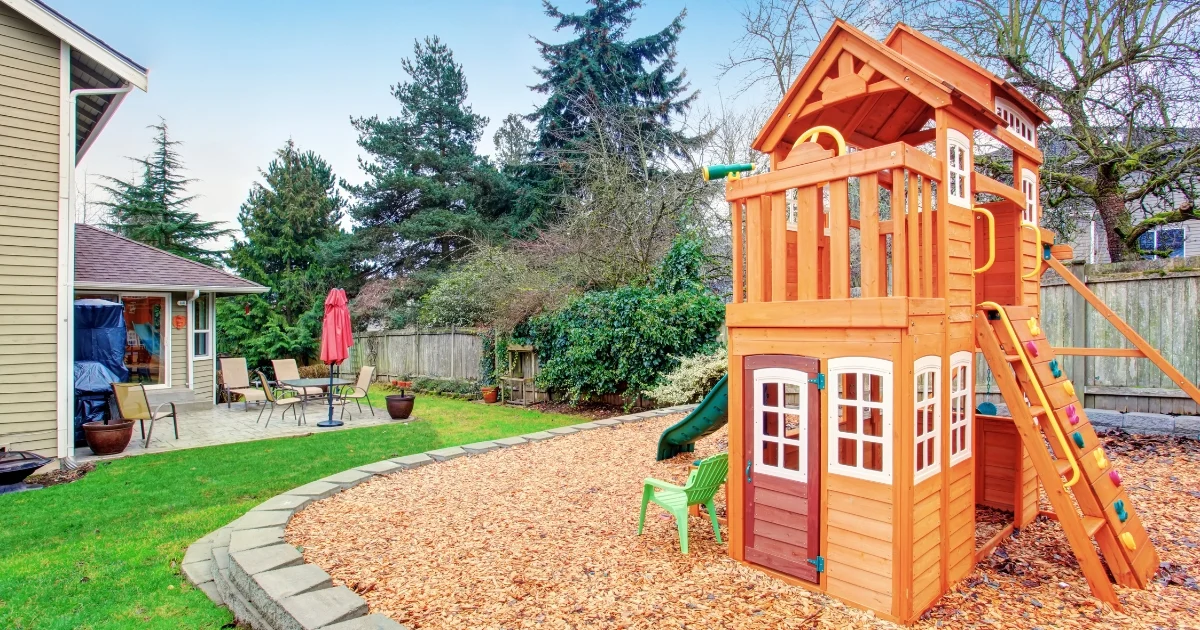
Creating a backyard play space that becomes the neighborhood favorite is every parent’s dream—but it requires more than just choosing colorful equipment. The best playground ideas balance creativity with safety, durability with budget, and fun with functionality. This approach works for every budget and yard size. Southern California homeowners face unique challenges: intense sun exposure, drought restrictions, and year-round outdoor play expectations. Whether you’re planning a DIY backyard playground or working with professionals, understanding both the equipment and the foundation beneath it ensures your investment delivers lasting value.
At Go Turf, we’ve helped hundreds of Orange County and surrounding SoCal families transform ordinary yards into extraordinary play zones. Our expertise goes beyond equipment selection—we specialize in the critical foundation that keeps kids safe during every tumble, jump, and adventure. This guide explores inspiring concepts while addressing the surfacing decisions that parents often overlook until after installation problems emerge.
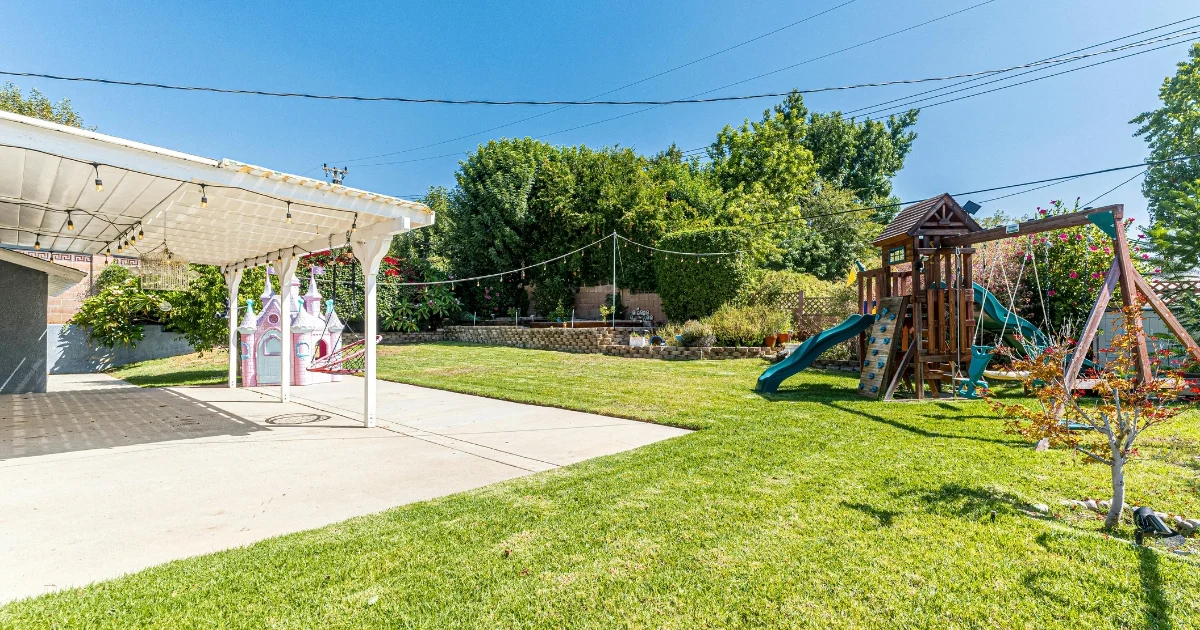
Creative Backyard Playground Equipment Ideas for Every Space and Budget
Small yards don’t mean limited fun. Vertical playground ideas maximize square footage by building upward rather than outward. Compact swing sets with A-frame designs fit into 8×8-foot spaces while providing the motion kids crave.
Budget-friendly playground equipment ideas for medium-sized yards include combination structures that deliver multiple play functions in compact footprints. Wooden playsets with integrated slides, climbing walls, and monkey bars range from $800 to $3,000 depending on materials and features. Tire swings suspended from sturdy tree branches add nostalgic charm for minimal cost, though proper fall zone surfacing remains essential.
Large properties allow for elaborate playground ideas that incorporate multiple activity zones. Ninja warrior courses with rope ladders, balance beams, and cargo nets challenge school-age children while building strength and coordination. Sensory play zones featuring sand tables, water features, and musical instruments engage toddlers while older siblings tackle climbing structures.
Age-appropriate selection prevents injuries and extends equipment lifespan. Toddlers ages 2–5 need platforms under 4 feet with enclosed spaces and gentle slopes. School-age children handle equipment up to 8 feet high with more challenging climbing elements. Multi-age structures accommodate growing families without requiring complete overhauls as children mature. Thoughtful backyard play area design integrates equipment placement with traffic flow, sight lines from kitchen windows, and natural shade patterns to create spaces that function beautifully throughout the day.
| Equipment Type | Budget Range | Best For |
|---|---|---|
| DIY Tire Swing & Climbing Wall | Under $500 | Small yards, budget-conscious families |
| Compact Wooden Playset | $800–$2,000 | Medium yards, toddlers to age 8 |
| Ninja Warrior Course | $2,000–$5,000 | Active families, school-age children |
| Custom Multi-Zone Play Space | $5,000–$15,000+ | Large properties, multiple age groups |
Choosing the Right Playground Surface: Safety Meets Low Maintenance
The surface beneath playground equipment matters more than most parents realize when evaluating playground ideas. ASTM F1292 standards govern fall height safety, requiring surfaces to provide adequate impact attenuation based on equipment height. A 6-foot platform demands different cushioning than a 3-foot slide.
Wood chips remain popular due to low initial costs—typically $3–$5 per square foot installed. However, annual replenishment runs $200–$400 for average play areas as materials decompose and scatter. Rubber mulch lasts longer but costs $8–$12 per square foot and still requires periodic top-offs as pieces migrate outside play zones.
Poured rubber provides seamless cushioning and meets ADA standards. Sand offers excellent drainage but attracts neighborhood cats, requires frequent replenishment, and tracks throughout homes on shoes and clothing.
- ASTM F1292 Certification: When installed with proper padding underlayment, artificial turf playground surface products carry IPEMA certification proving they meet critical fall height standards, while loose-fill materials require 9–12 inches of depth that compacts unevenly over time
- Ten-Year Maintenance Costs: Wood chips demand $2,000–$4,000 in replacement materials and labor, natural grass requires $3,000–$5,000 in water, fertilizer, and reseeding, while quality synthetic turf needs only occasional rinsing after the initial installation investment
- Drainage Performance: Proper artificial turf installations drain 30+ inches per hour through perforated backing and crushed stone base layers, eliminating puddles and mosquito breeding grounds that plague sand and wood chip surfaces after rain
- ADA Compliance: Wheelchair accessibility requires firm, stable surfaces—poured rubber and artificial turf meet these safe playground flooring options standards while loose-fill materials create mobility barriers for children with disabilities
- Heat Management: Modern playground turf uses heat-reflective fibers and light-colored infill, staying significantly cooler than first-generation products, addressing concerns about Southern California summer temperatures
- High-Traffic Durability: Synthetic grass maintains consistent cushioning and appearance under intensive use, while natural grass develops bare spots requiring constant attention and wood chips compact into hard, unsafe surfaces
| Surface Type | Initial Cost (per sq ft) | 10-Year Total Cost |
|---|---|---|
| Wood Chips | $3–$5 | $6,000–$9,000 |
| Natural Grass | $1–$2 | $5,000–$8,000 |
| Rubber Mulch | $8–$12 | $10,000–$14,000 |
| Artificial Turf | $8–$15 | $8,000–$15,000 |
| Poured Rubber | $15–$25 | $15,000–$25,000 |
Why Artificial Turf Transforms Backyard Play Areas
Modern synthetic grass technology revolutionizes how to build a backyard playground that balances safety, aesthetics, and practicality. IPEMA-certified playground turf systems combine specialized padding underlayment with impact-absorbing fibers, meeting fall height requirements for equipment up to 10 feet when properly installed. Antimicrobial infill treatments prevent bacterial growth and odor development—critical for families with pets sharing outdoor play space for kids. Parents appreciate year-round green appearance without mowing, edging, or fertilizing.
Heat management concerns are valid but solvable. Modern playground turf incorporates heat-reflective fiber technology and lighter-colored infill options that stay significantly cooler than older black rubber products. Strategic shade structures, periodic water misting before playtime, and choosing turf specifically rated for high-temperature climates ensure comfortable use even during Huntington Beach and Mission Viejo summers.
Installation Considerations for Maximum Safety
Proper base preparation separates professional installations from DIY disasters. The foundation requires 3–4 inches of compacted crushed stone providing drainage and stability, topped with shock-absorbing padding matched to equipment fall heights. Fall zone calculations extend beyond equipment footprints, requiring adequate cushioned surface surrounding all elevated platforms and swing arcs.
Quality installations include perimeter edging preventing turf edges from lifting and creating trip hazards. Pet-friendly options incorporate specialized infill and backing materials that drain efficiently and resist odor absorption when families share play spaces with dogs.
Long-Term Performance and ROI
Residential playground turf carries warranties ranging from 8–15 years depending on product quality and installation standards. Real-world performance often exceeds warranty periods with proper maintenance. The investment pays returns through eliminated lawn care costs, water savings (critical during California drought restrictions), and increased property appeal.
Smart playground ideas gain longevity when paired with durable surfacing. A $1,500 wooden playset on artificial turf remains functional and attractive for a decade, while the same equipment on natural grass requires constant area maintenance and eventual relocation as bare spots expand.
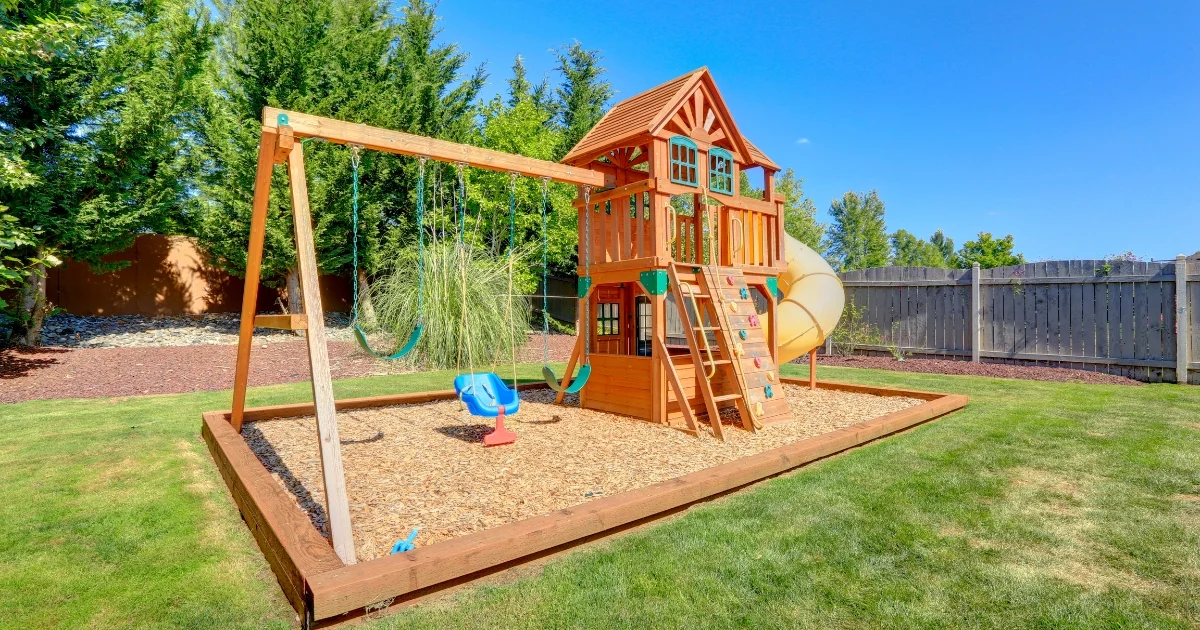
Turf the Tables on Playground Problems at Go Turf Artificial Grass & Pavers
Ready to transform your backyard into the neighborhood’s favorite gathering spot? Go Turf Artificial Grass & Pavers brings decades of experience installing playground surfaces that keep kids safe and parents stress-free throughout Orange County, Anaheim, and surrounding Southern California communities. Our certified installation process meets all ASTM safety standards while creating beautiful, low-maintenance outdoor spaces your family will enjoy for years. We’re an owner-operated company with no call centers and no brand pressure—just honest expertise and personalized service. Contact us today for a free playground design consultation, including a comprehensive safety surface assessment. Let’s build the backyard playground your kids deserve on the foundation they need.
FAQs
Here are answers to the most common questions Southern California families ask when planning safe, low-maintenance backyard play spaces.
1. What is the safest surface for a backyard playground?
When installed with proper padding underlayment, artificial turf meets ASTM F1292 safety standards and provides consistent impact attenuation across the entire play area. Unlike loose-fill materials that shift and compact over time, quality playground turf maintains its protective cushioning while eliminating tripping hazards from uneven surfaces. Professional installations include shock-absorbing padding layers matched to your equipment’s fall height requirements.
2. How much does it cost to build a backyard playground?
Basic DIY playgrounds start around $500–$1,500 for equipment, while professionally designed play spaces—these playground ideas—range from $3,000–$15,000+ depending on equipment quality, size, and surface installation. When calculating costs, factor in the playground surface—artificial turf has higher upfront costs but eliminates ongoing maintenance expenses that wood chips and natural grass require annually. Ten-year costs often favor synthetic surfaces despite higher upfront pricing.
3. How do I choose playground equipment for different age groups?
Toddlers ages 2–5 need low platforms under 4 feet with enclosed spaces, while school-age children ages 5–12 can safely use equipment up to 8 feet high with more challenging elements. Always check manufacturer age recommendations, ensure proper fall zones around equipment, and consider multi-age structures that grow with your family.
4. Does artificial turf get too hot for playgrounds in summer?
Modern playground turf uses heat-reflective fiber technology and light-colored infill that stays significantly cooler than older generation products. Strategic shade structures, proper irrigation cooling before playtime, and choosing turf specifically rated for high-temperature climates ensure comfortable year-round play in hot regions like Southern California.
5. What maintenance does a backyard playground require?
Equipment needs monthly safety inspections checking for loose bolts, worn components, and structural integrity. Artificial turf playgrounds require minimal maintenance—occasional rinsing, brushing high-traffic areas, and removing debris—compared to natural grass requiring mowing, watering, and reseeding bare spots, or loose-fill surfaces demanding raking, replenishing materials, and weed control. Most families spend under 30 minutes monthly on synthetic turf versus hours weekly on traditional surfaces.