
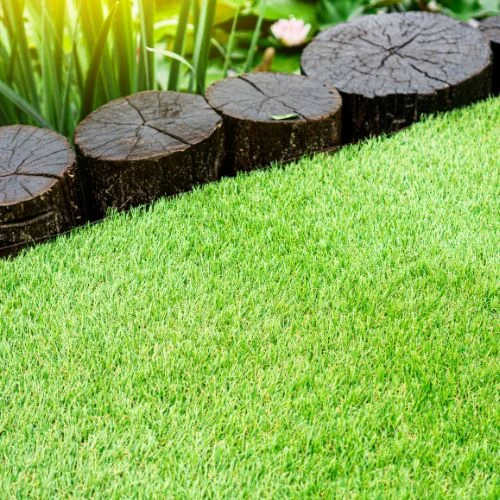
When you think of “going green,” artificial turf might not be the first thing that springs to mind. But what if we told you that rolling out the synthetic carpet could actually be a step towards a more eco-friendly lifestyle ? Let’s dive into the environmental benefits of installing artificial turf and see how this modern landscaping solution is making waves in the world of sustainability.
Artificial Turf : More Than Meets the Eye
At first glance, artificial turf might seem like an unlikely eco-hero. After all, it’s made from synthetic materials, right? But when we look closer, we find that the environmental benefits of installing artificial turf are quite impressive.
Water Conservation: Every Drop Counts
One of the most significant environmental benefits of artificial turf is its role in water conservation. Here’s why it matters :
- Natural lawns guzzle water, especially in dry climates
- Artificial turf needs no regular watering
- Saves thousands of gallons of water annually
According to the Environmental Protection Agency (EPA) , the average American family uses 320 gallons of water per day, with 30% devoted to outdoor uses. Imagine slashing that outdoor water use to nearly zero !
Elimination of Harmful Chemicals
Traditional lawn care often involves a cocktail of chemicals. With artificial turf :
- No need for pesticides
- Fertilizers become a thing of the past
- Reduced chemical runoff into local water systems
Reduced Carbon Emissions
Think about all the equipment used to maintain a natural lawn :
- Lawn mowers
- Leaf blowers
- Trimmers
By eliminating the need for these gas-guzzling tools, artificial turf helps reduce carbon emissions. It’s like giving your lawn a smaller carbon footprint !
The Long-Term Environmental Impact
Let’s look at how artificial turf stacks up against natural grass over time :
| Factor | Natural Grass | Artificial Turf |
|---|---|---|
| Water Usage (per year) | 55,000 gallons | 0 gallons |
| Chemical Use | Regular | None |
| Mowing Emissions | Yes | None |
| Lifespan | Ongoing maintenance | 15-20 years |
Beyond the Obvious: Hidden Environmental Benefits
The environmental benefits of installing artificial turf extend beyond water and chemical savings :
Reduced Noise Pollution
Say goodbye to the hum of lawnmowers and leaf blowers. Your neighbors (and local wildlife) will thank you !
Landfill Waste Reduction
- No grass clippings to dispose of
- Less frequent replacement compared to natural sod
Urban Heat Island Mitigation
While artificial turf can get warm, it doesn’t contribute to the urban heat island effect as much as concrete or asphalt. Some modern artificial turfs even include cooling technologies.
Habitat Preservation
By reducing the demand for water in landscaping, artificial turf can help preserve natural habitats, especially in water-scarce regions.
Making an Informed Choice
While the environmental benefits of artificial turf are impressive, it’s important to consider all aspects :
- Choose high-quality, recyclable turf
- Consider permeable options for better water drainage
- Look for products made with sustainable manufacturing processes
The Future is Green (and Might Be Artificial)
As technology advances, so does the eco-friendliness of artificial turf. Innovations include :
- Biodegradable infills
- Recycled and recyclable materials
- Solar-reflective blades to reduce heat absorption
Is artificial turf truly eco-friendly given it’s made of synthetic materials ?
It can reduce habitat for some insects, but it also eliminates the need for harmful pesticides that can damage local ecosystems.
Can artificial turf be recycled at the end of its life ?
Many modern artificial turfs are recyclable. Check with the manufacturer for specific recycling programs.
Does artificial turf contribute to microplastic pollution ?
High-quality, properly installed artificial turf should not significantly contribute to microplastic pollution. Ongoing research is being conducted to minimize any potential impact.
The environmental benefits of installing artificial turf are clear and compelling. From water conservation to reduced chemical use and lower carbon emissions, artificial turf offers a way to maintain a beautiful lawn while being kind to the planet.
As we face increasing environmental challenges, including water scarcity and climate change, solutions like artificial turf can play a role in creating more sustainable landscapes. It’s not just about having a green lawn – it’s about making green choices for our planet’s future.
Ready to explore more about sustainable landscaping ?
Check out the “https://www.epa.gov/watersense/landscaping-tips”>EPA’s Water Sense program for additional tips on water-efficient landscaping.